

Jinya is now running “Demon Soba” in Kyoto and now faces new villains, ready to take advantage of his new peaceful lifestyle.
Video Review
What Stands Out About This Episode?
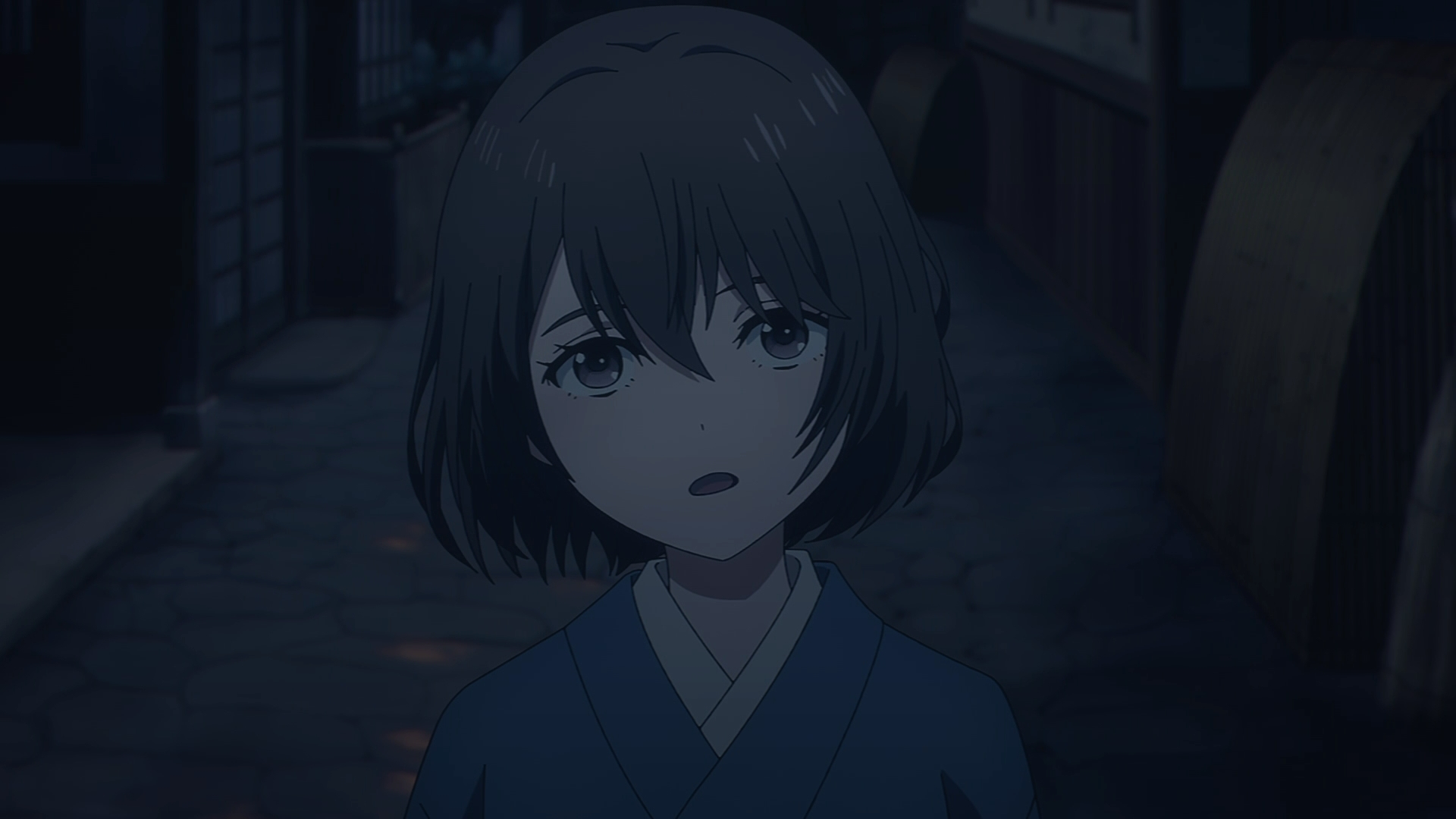
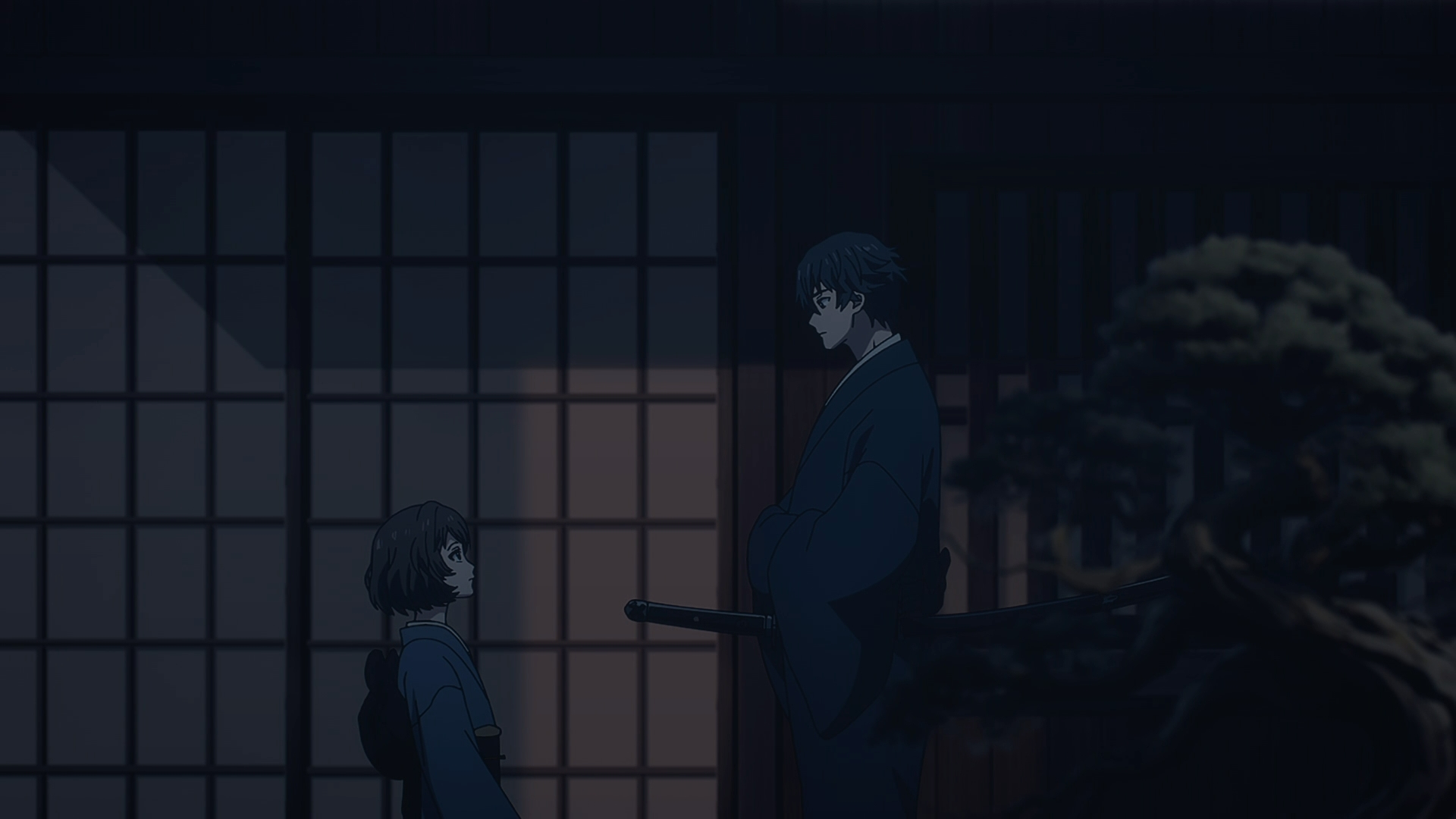


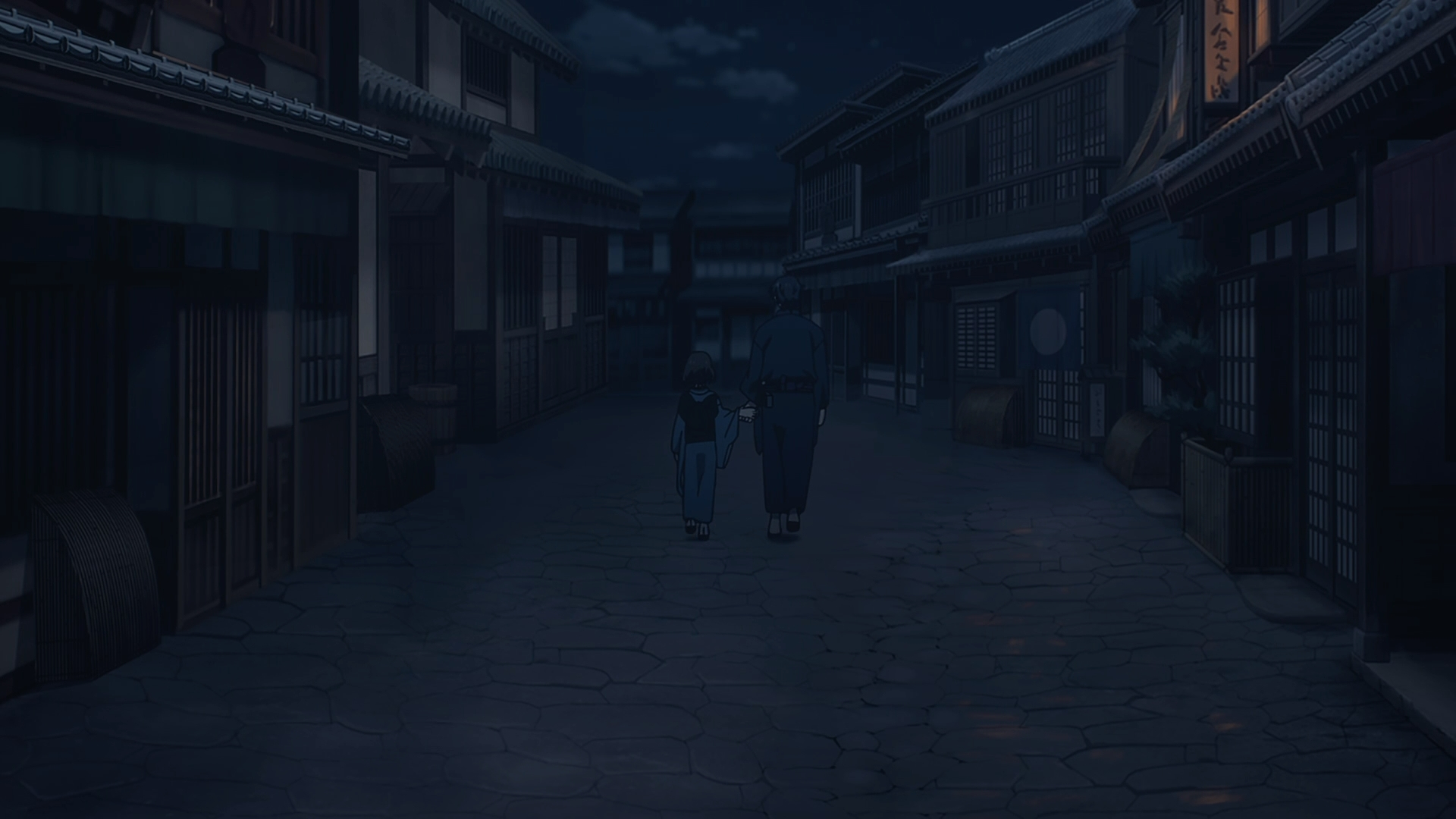
Diverging Paths, Bounded by the Same Tragedy
Moving from arc to arc and turning over a large cast of characters, it would seem like a daunting task from a storytelling perspective, when popular recurring characters are all of a sudden, no more.. However, when the main villain is still around with Suzune, a connection with an old friend in Somegoro Akitsu, and still tying in the legacy of Kaneomi—the new incoming cast feels like a breath of fresh air, rather than a longing for the old.
In just one episode and a satisfying nod from Natsu in the previous episode, we are another 5 years in the future from Keio Year 3 (1867) to Meiji Year 5 (1872). After all the internal turmoil from the downfall of the shogunate and adjusting to a modernization of Japan—Jinya has his own soba shop called, “Oni Soba,” new friends, and new antagonists that will surely cause Jinya another round of agonizing pain.

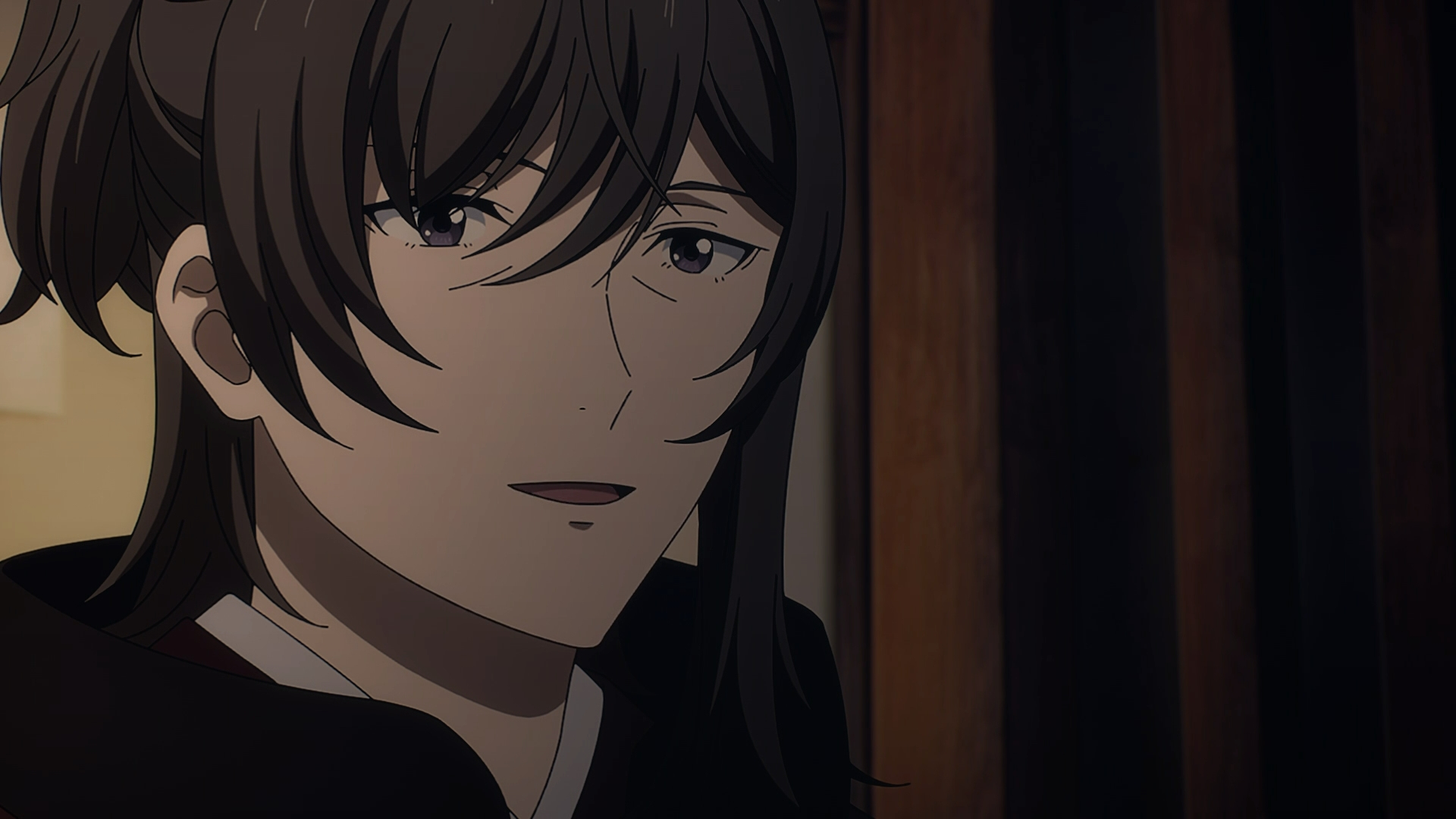
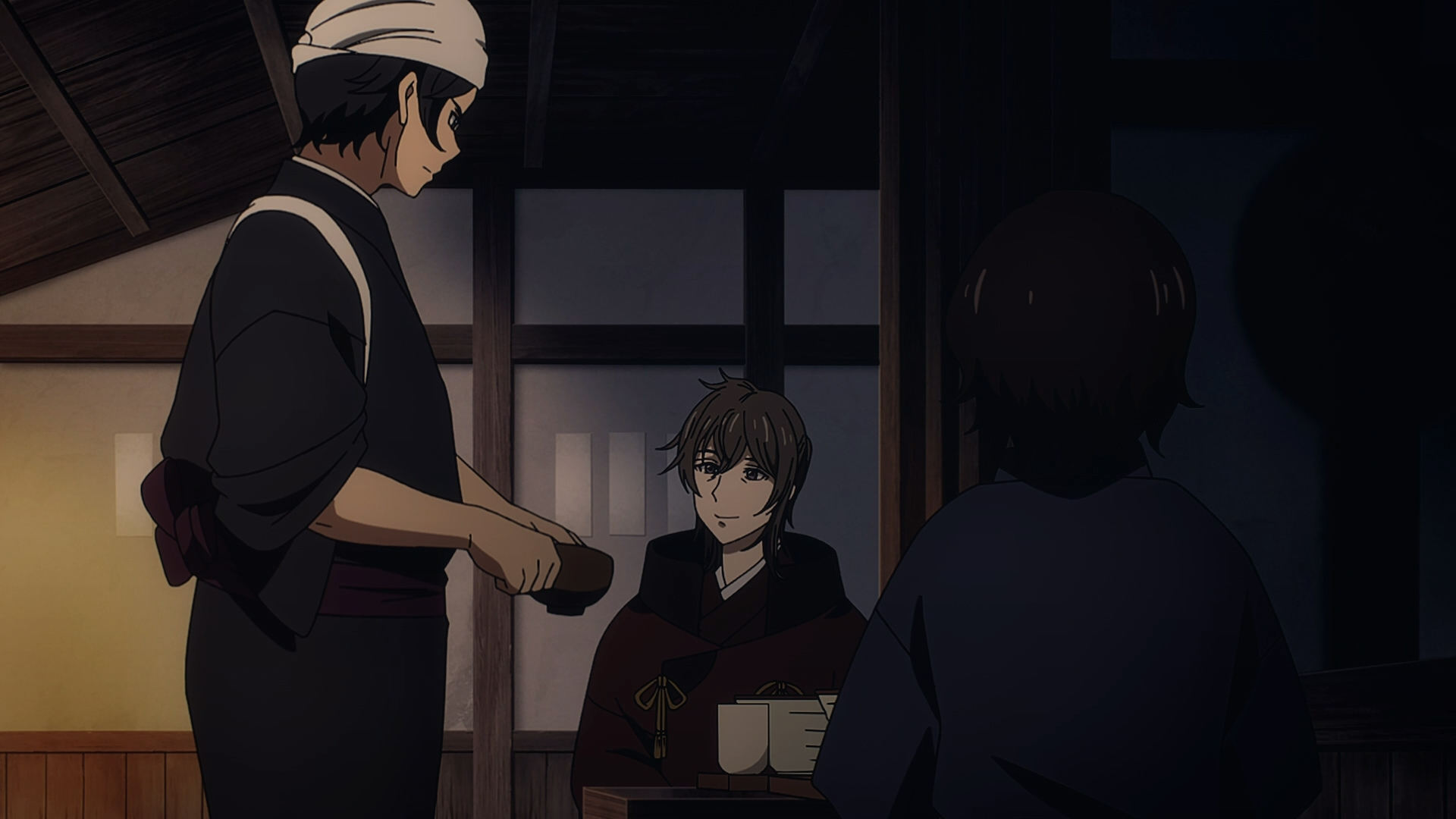
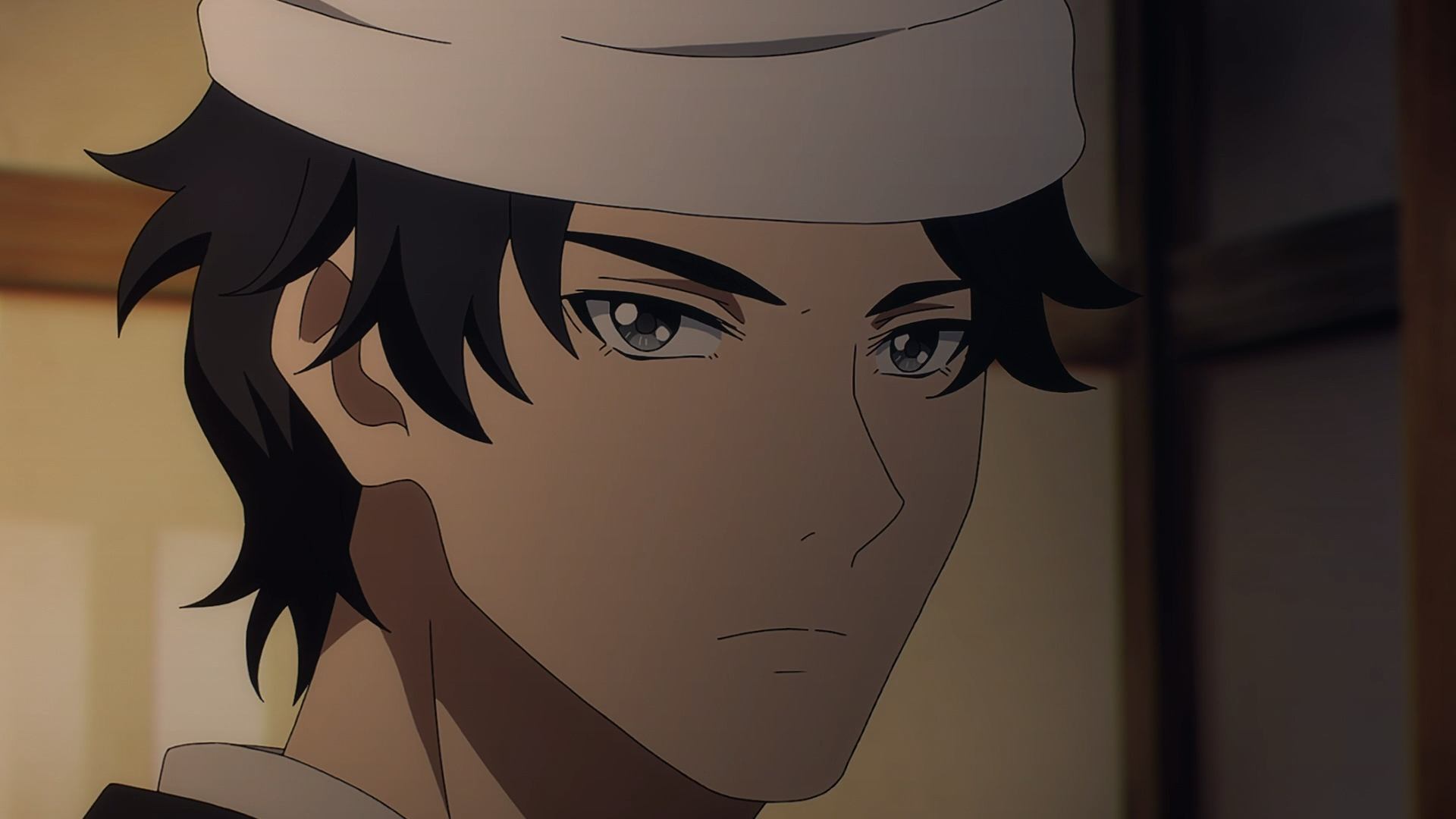
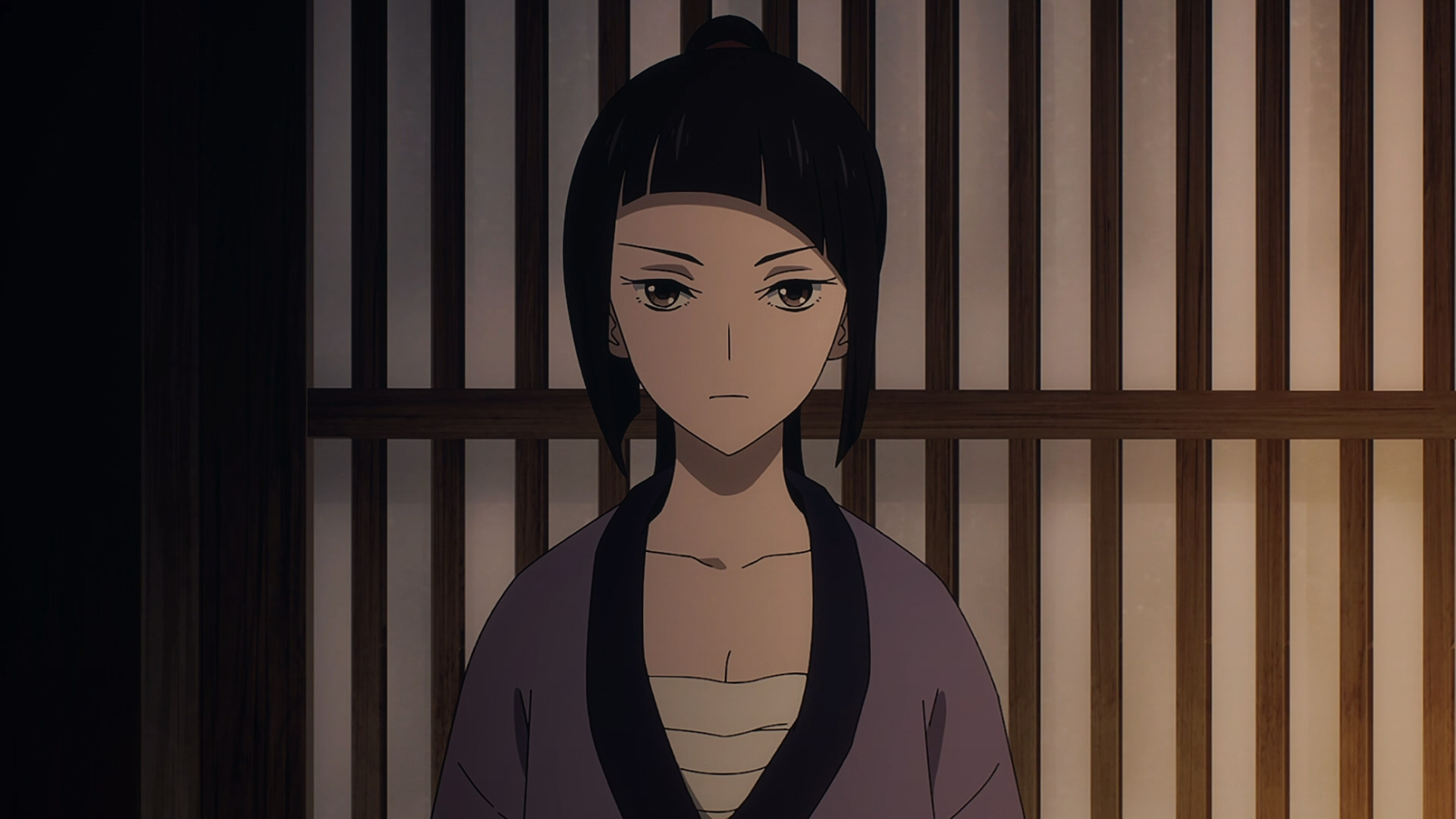


Shizuka Gozen
Like with the Yunagi episode in episode 16 of the Urikohime & Amanojaku folktale, this episode introduces another story that captures the metaphor between Jinya and Suzune’s faithful confrontation one day. Zeami Motokiyo is considered the father of Noh theater in Japan between 1363–1443. To not get into the heavy historical denseness of Zeami or his plays, we’ll just talk about what the episode itself covered in explaining the legendary historical figure, turned spirit in “Shizuka Gozen.”
In this episode, Kaneomi introduces the story of possession of a woman by Shizuka Gozen. This is a lady that gathers offerings at a later for a deity or out of some loyal, devoted nature. Shizuka Gozen is a historical figure known for loyalty for a lover after being captured by an enemy and forced to dance. In an act of defiance, she danced her way in disapproval and stayed trustworthy for her love and went against her captors.
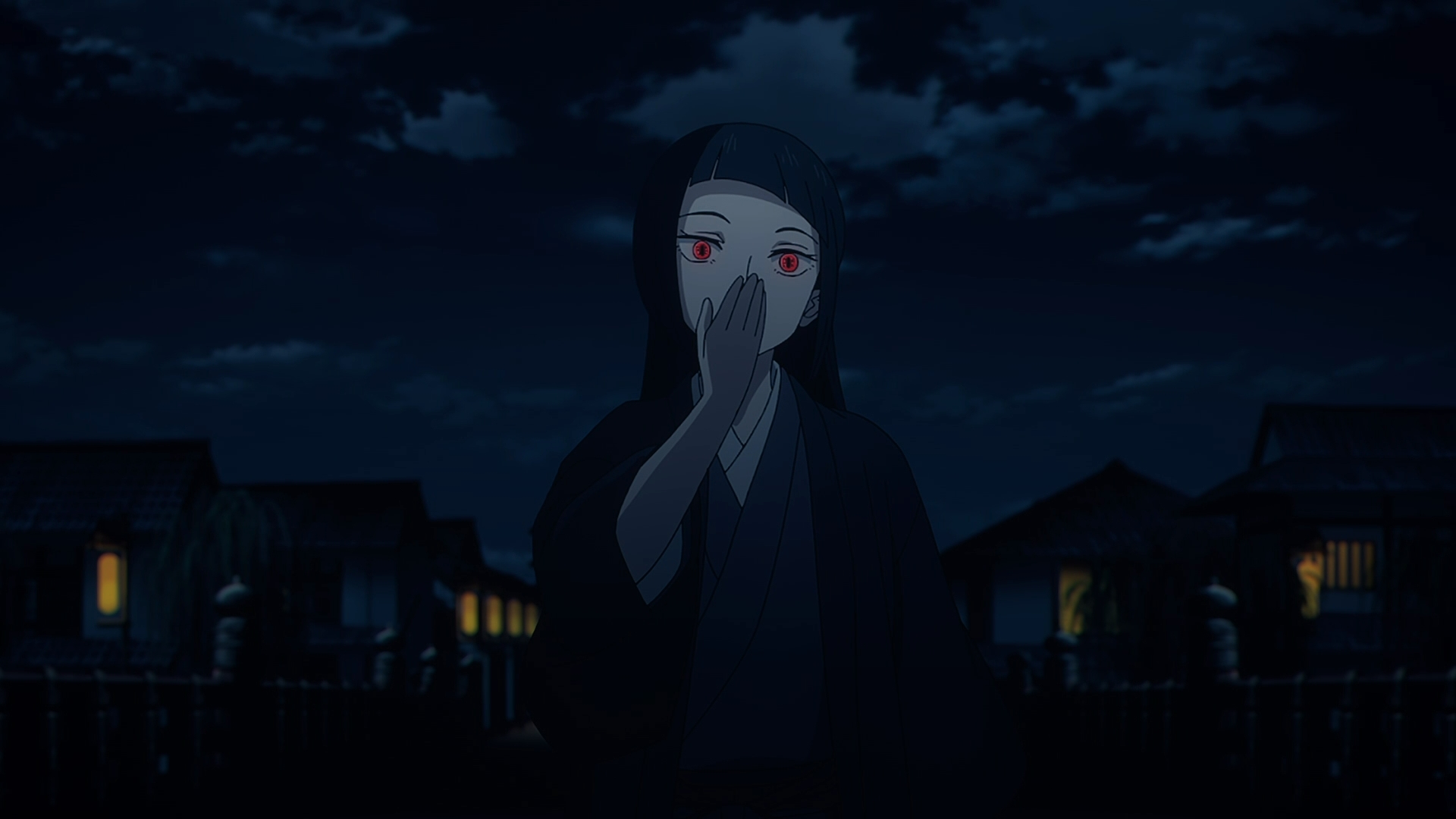
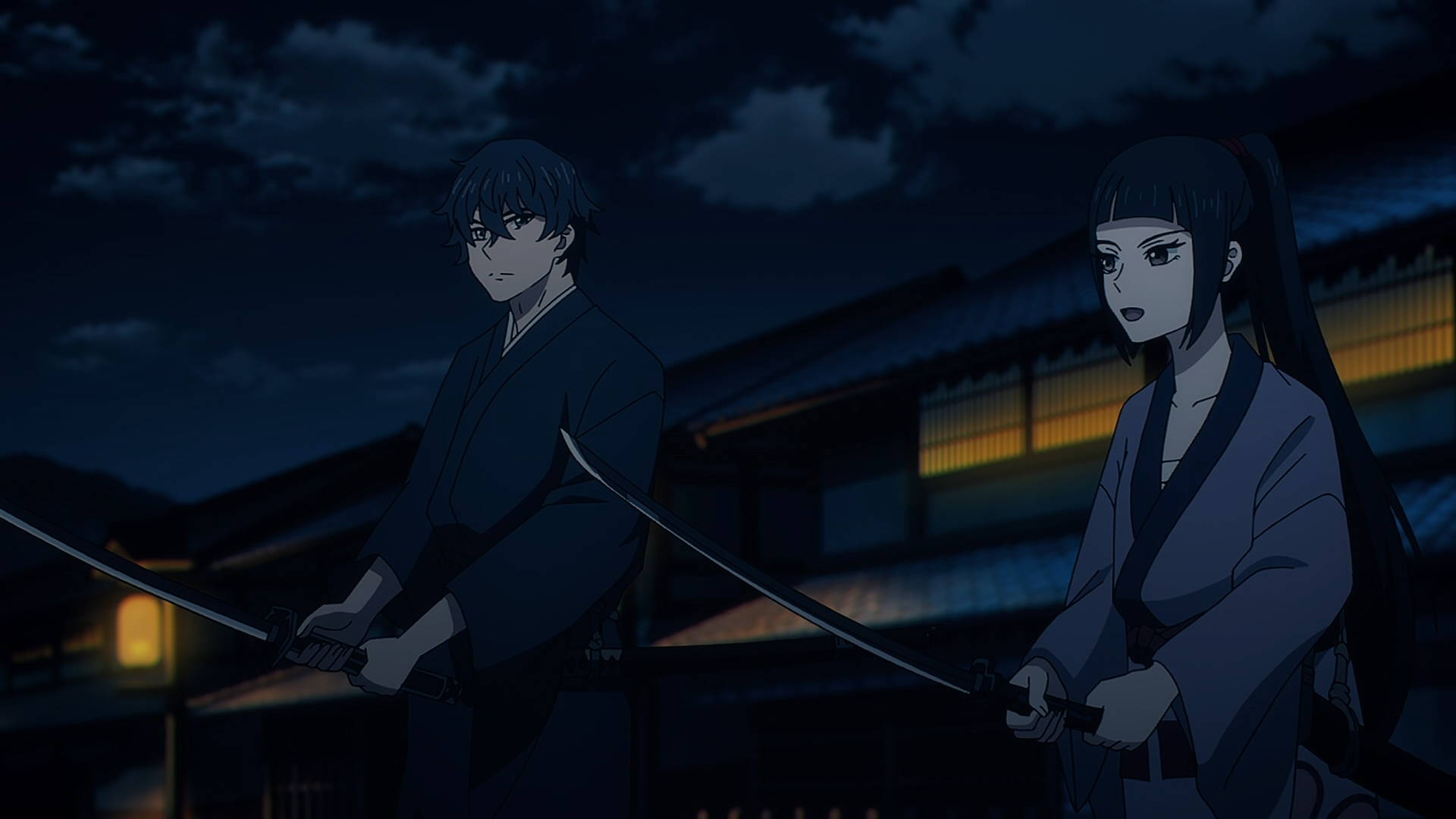
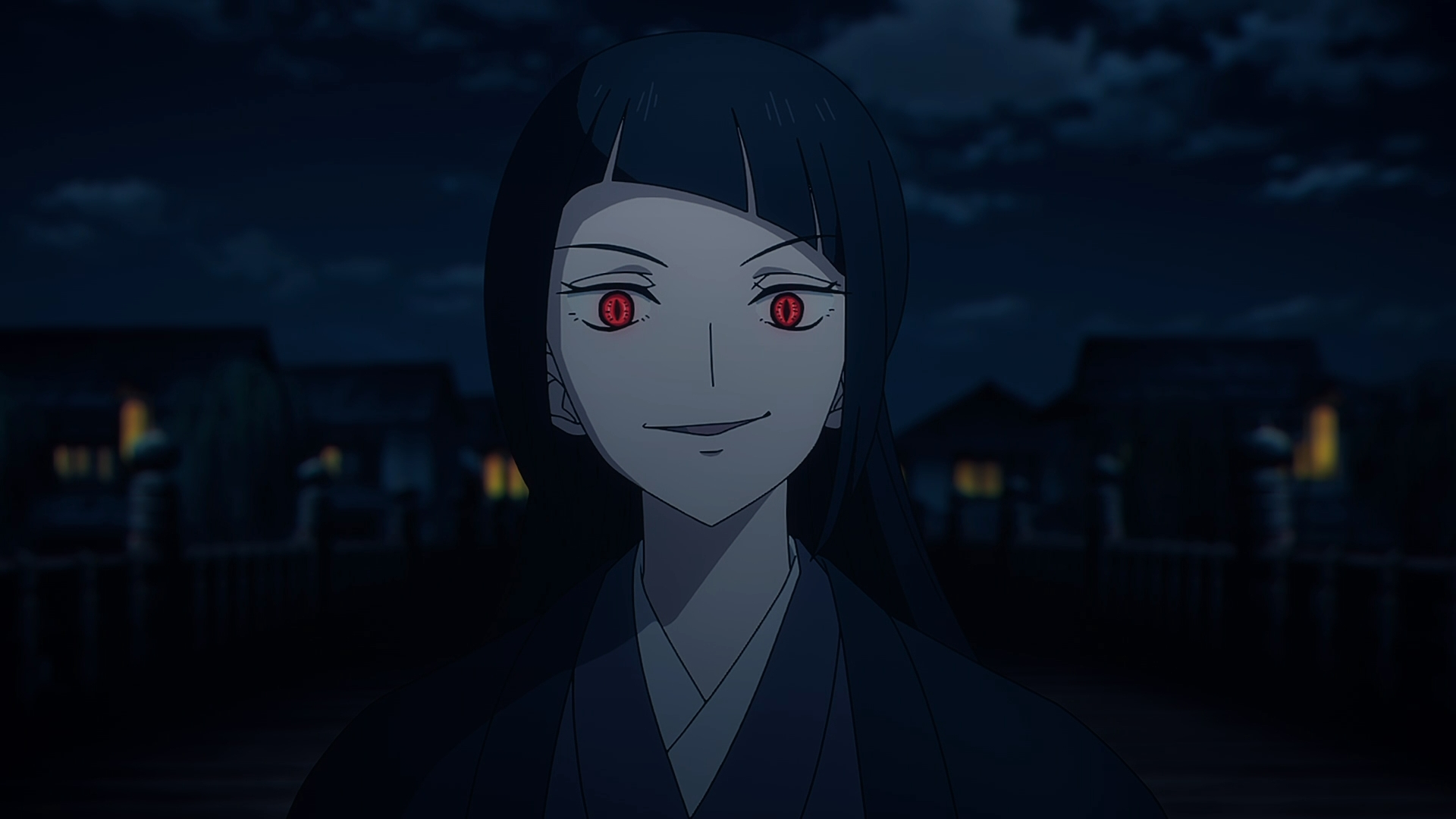
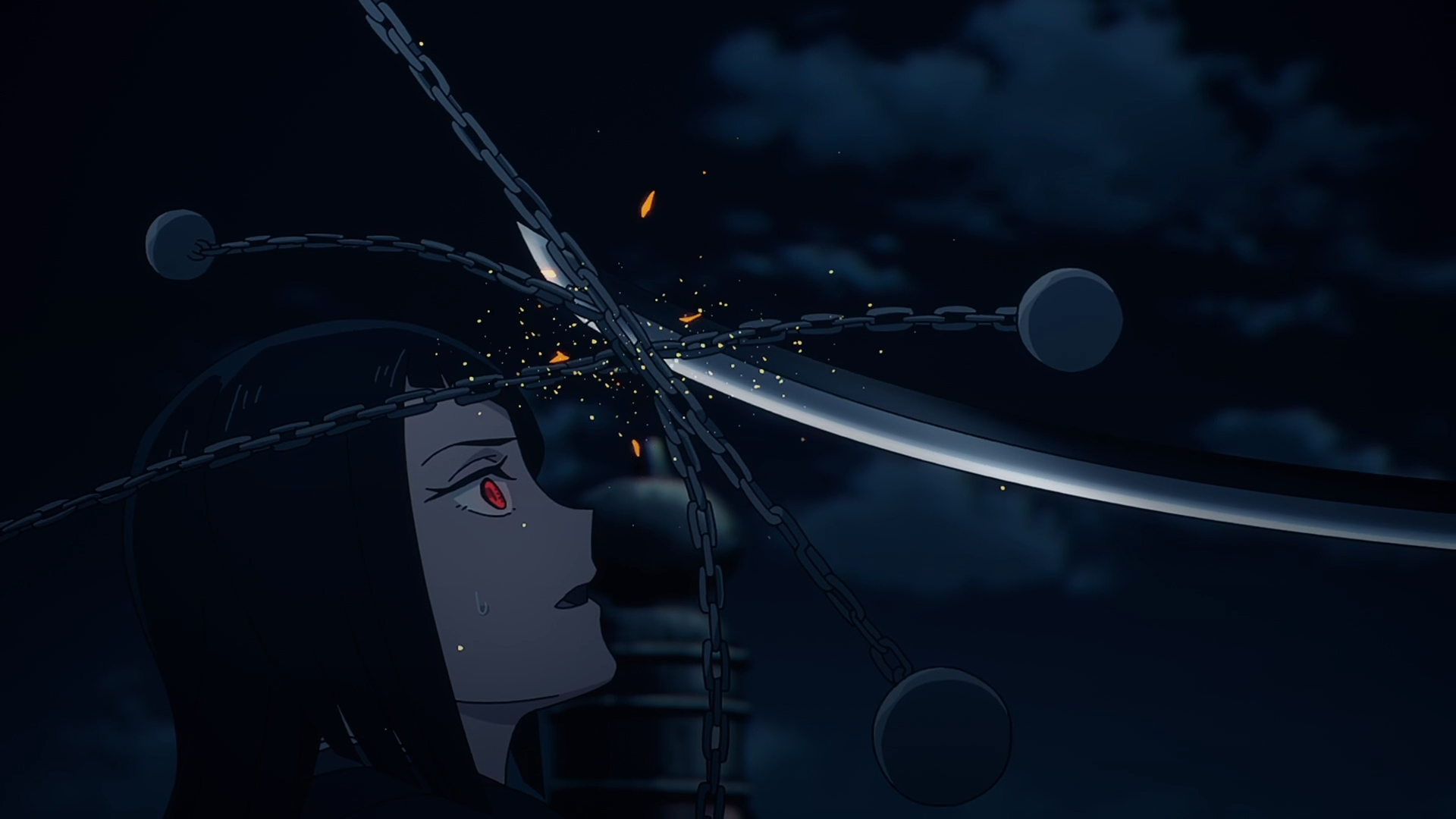
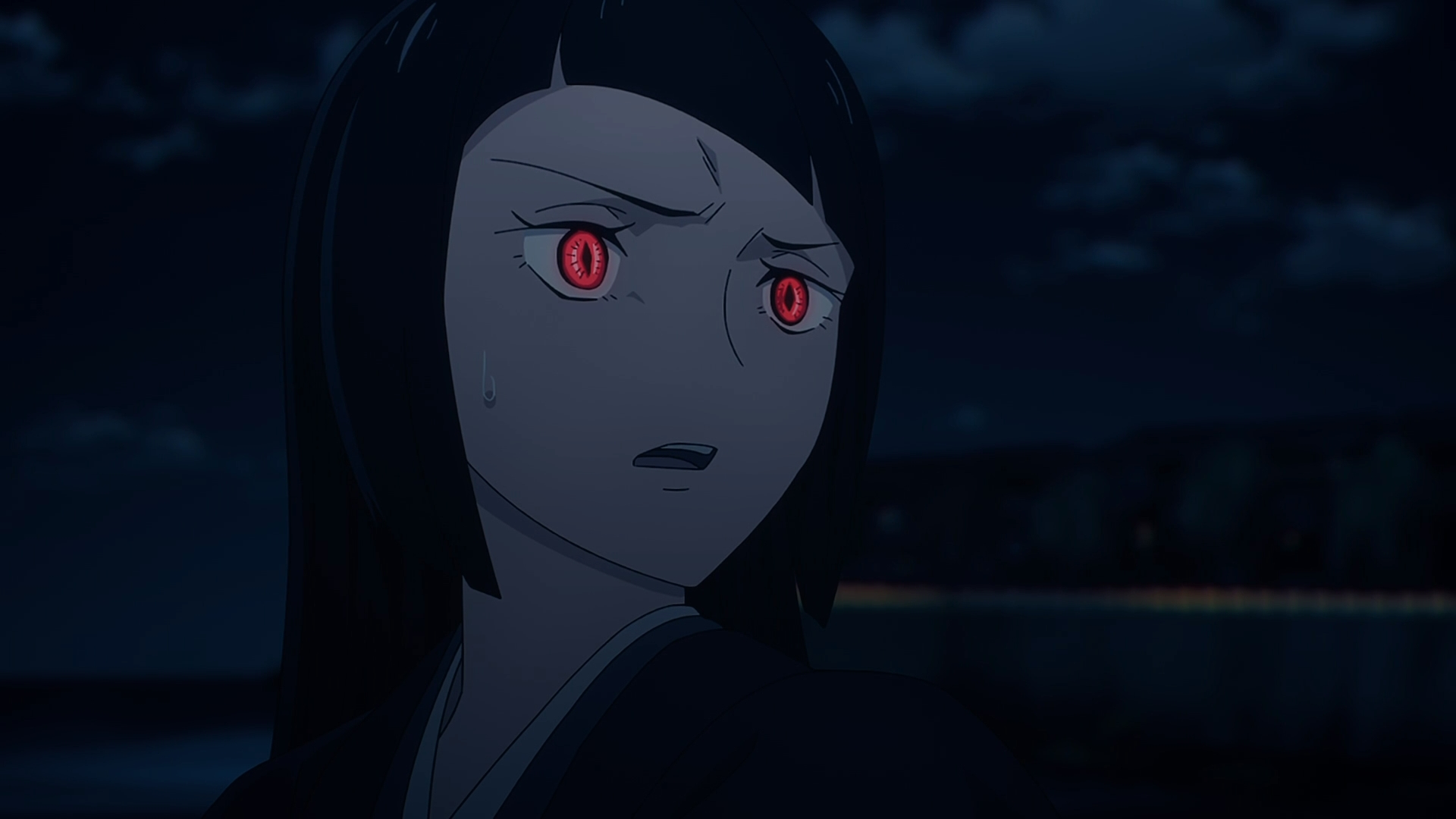
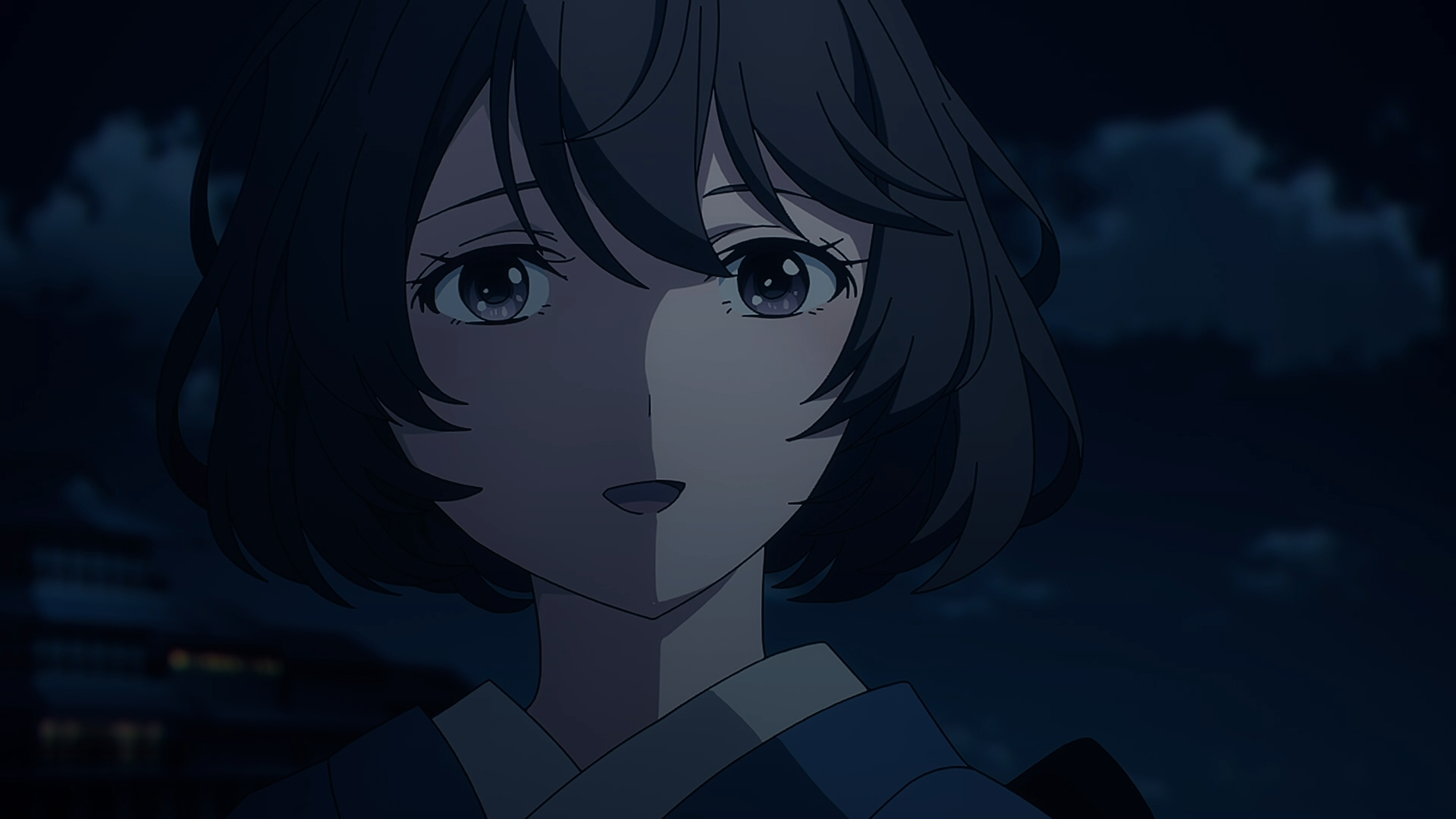
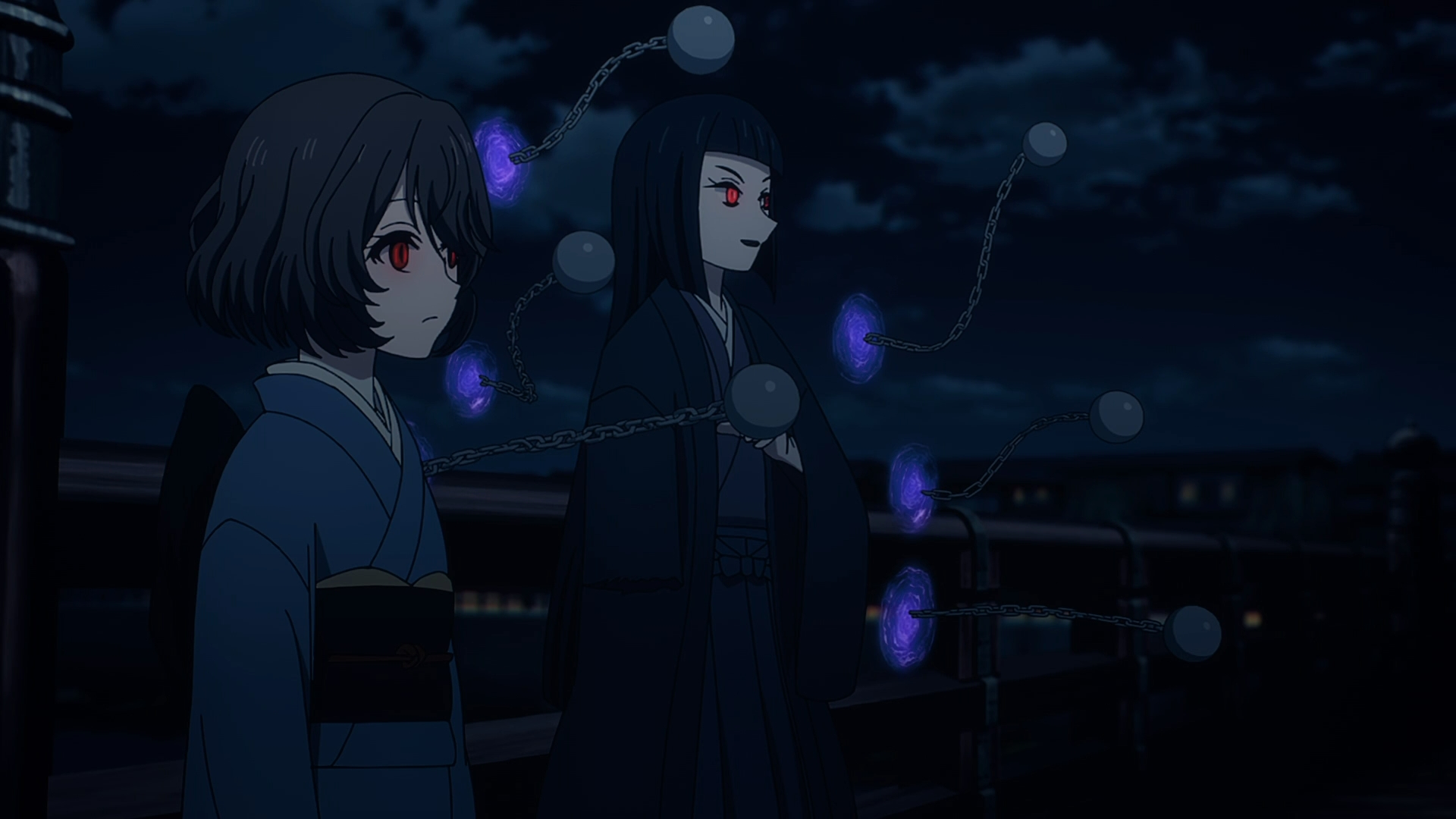
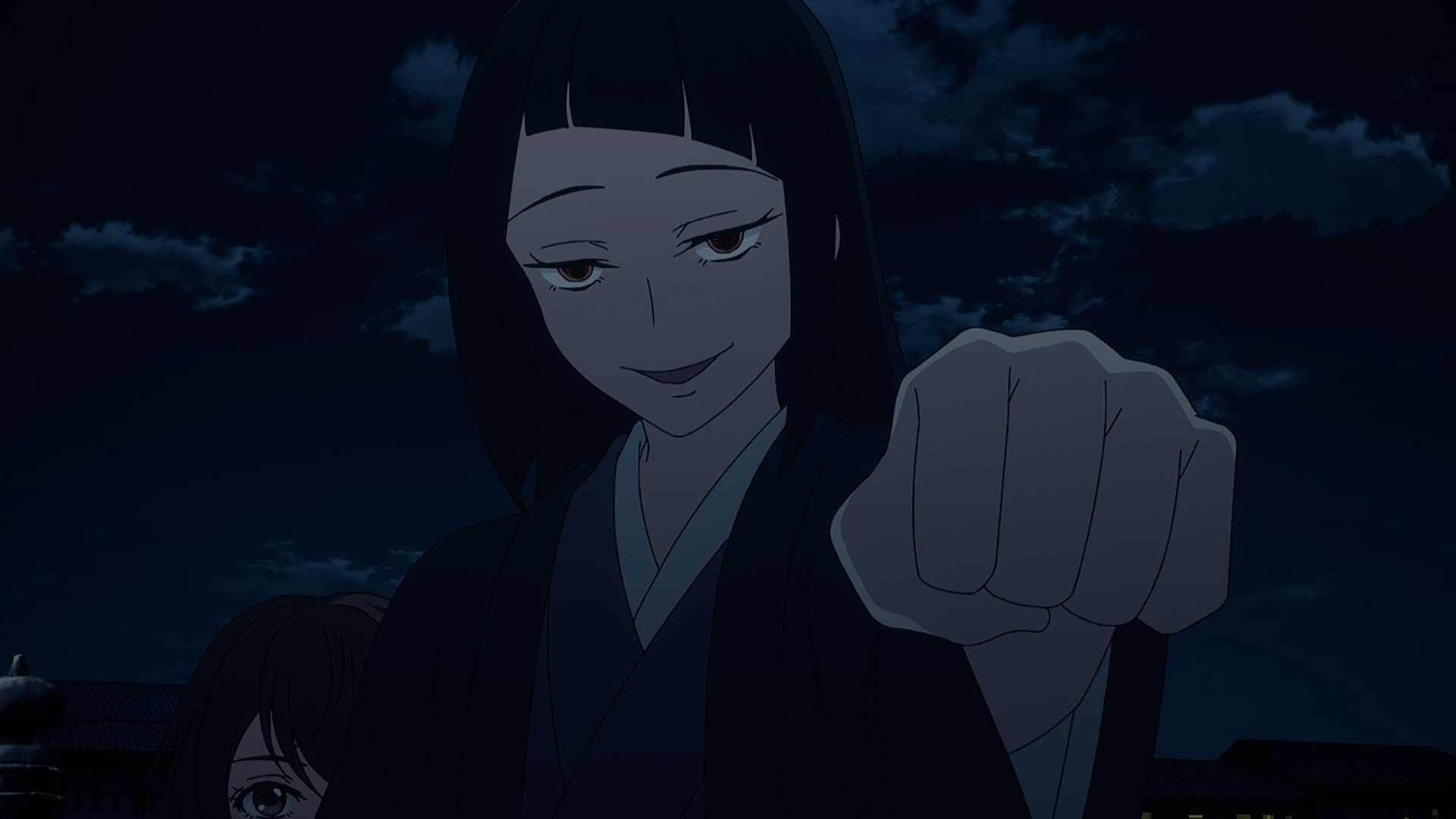
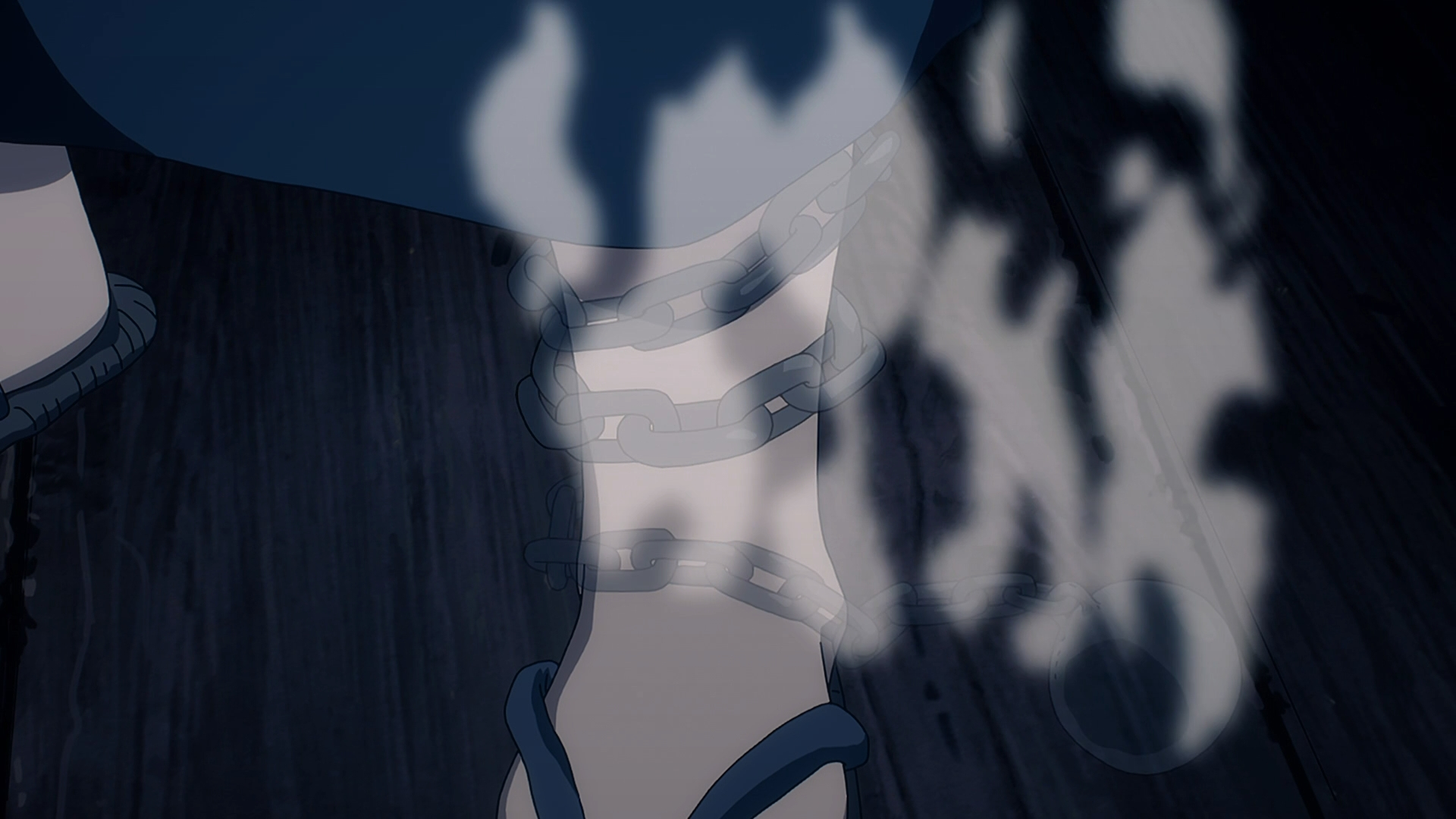
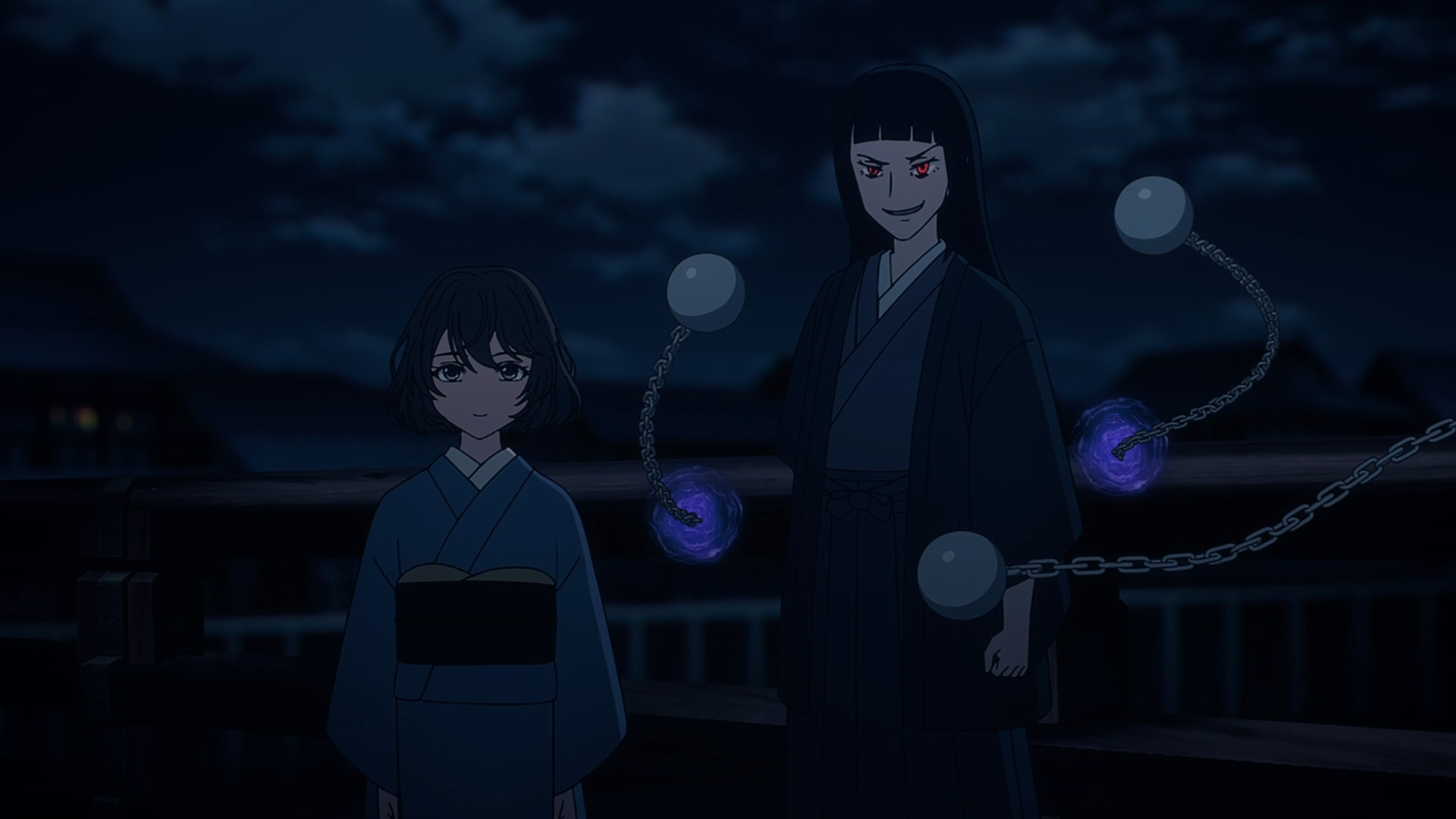
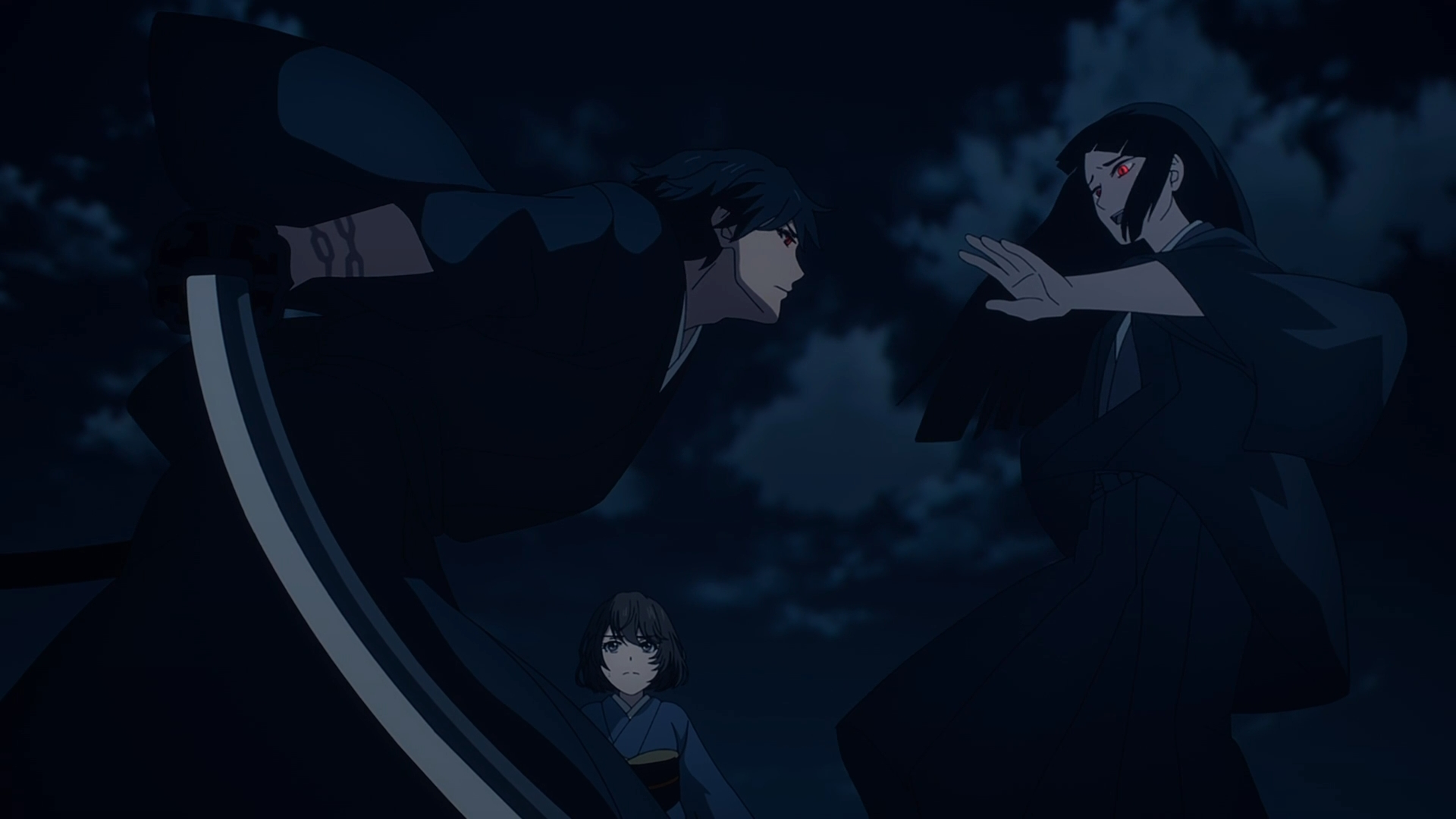
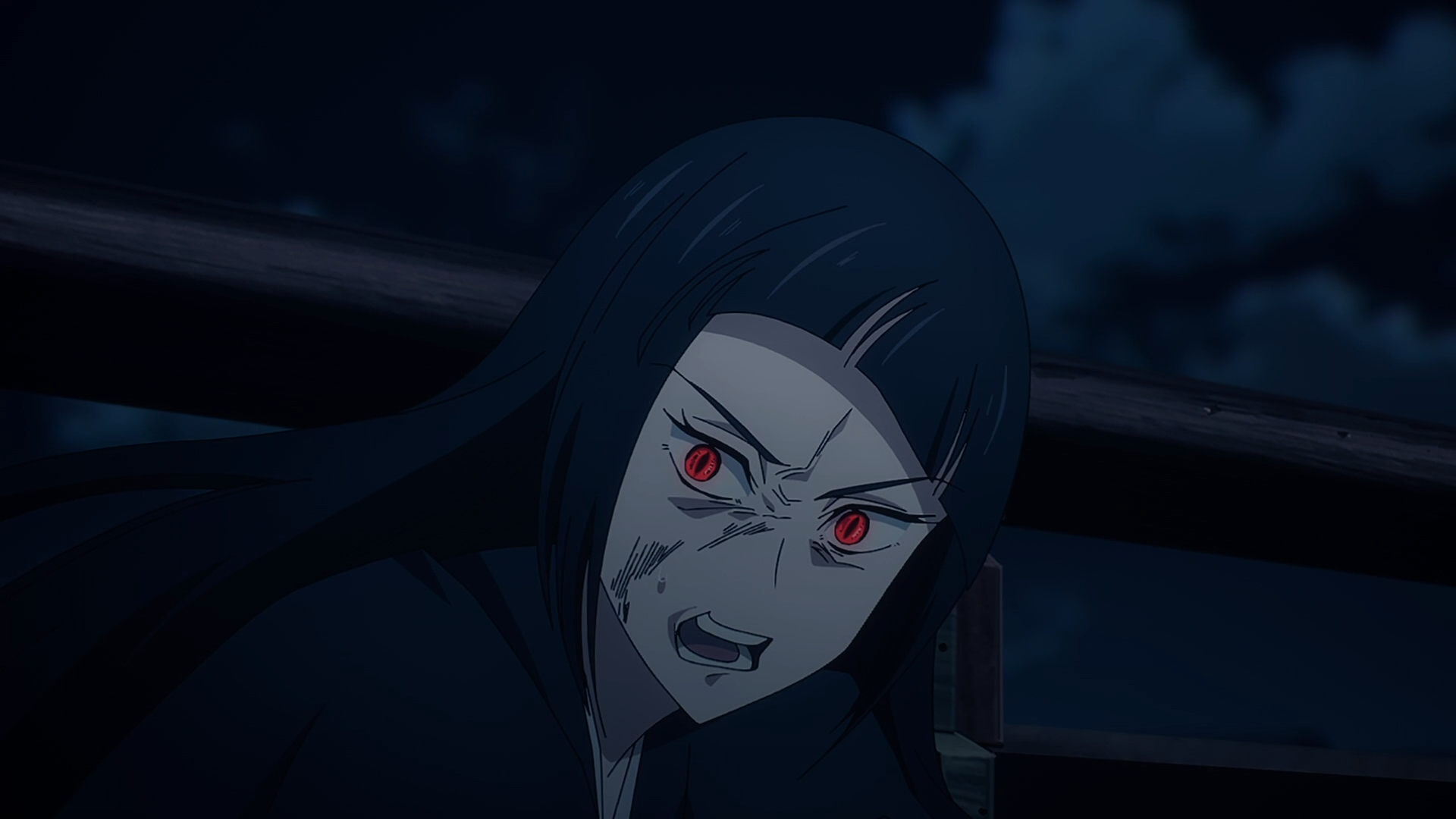

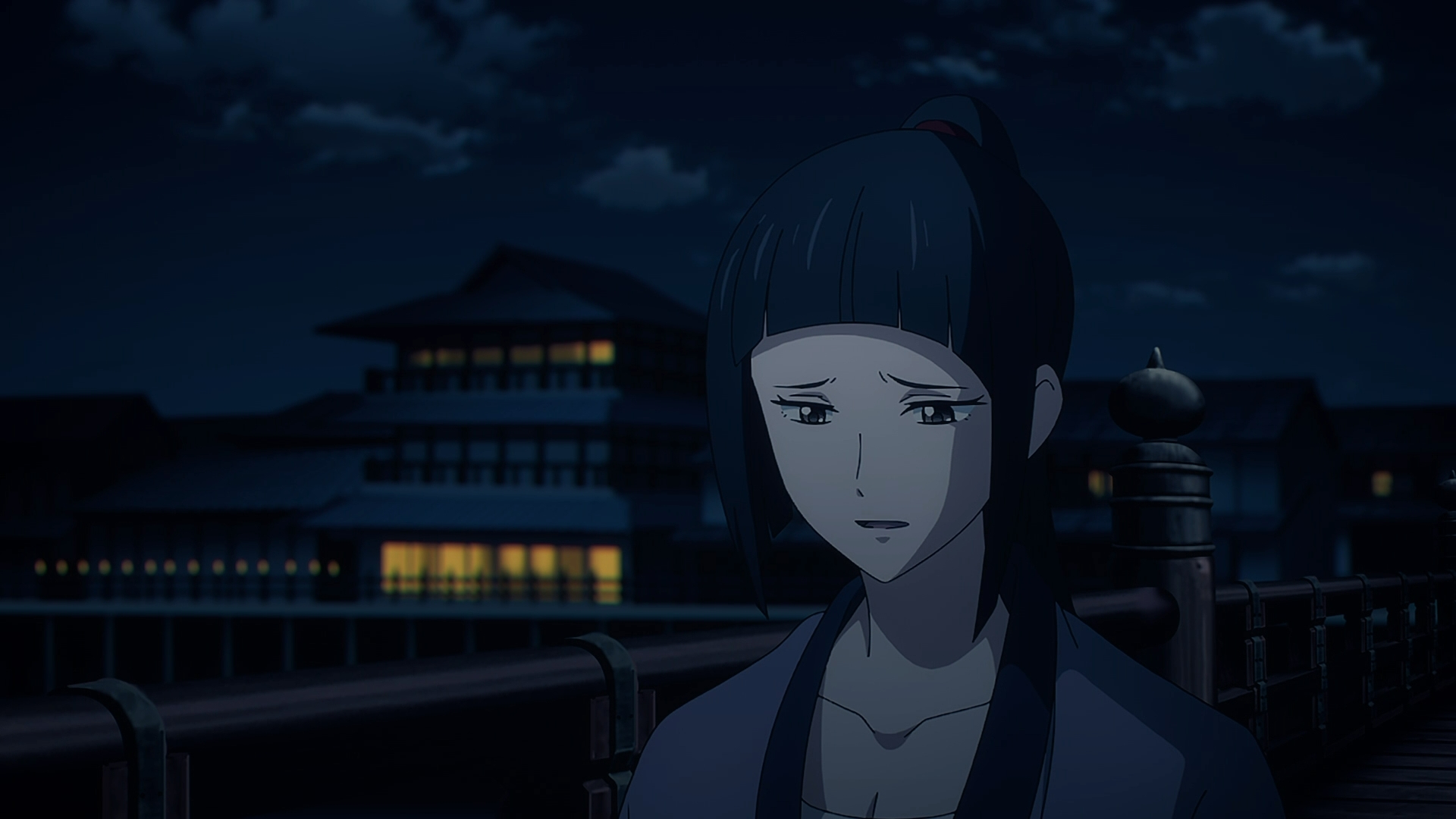
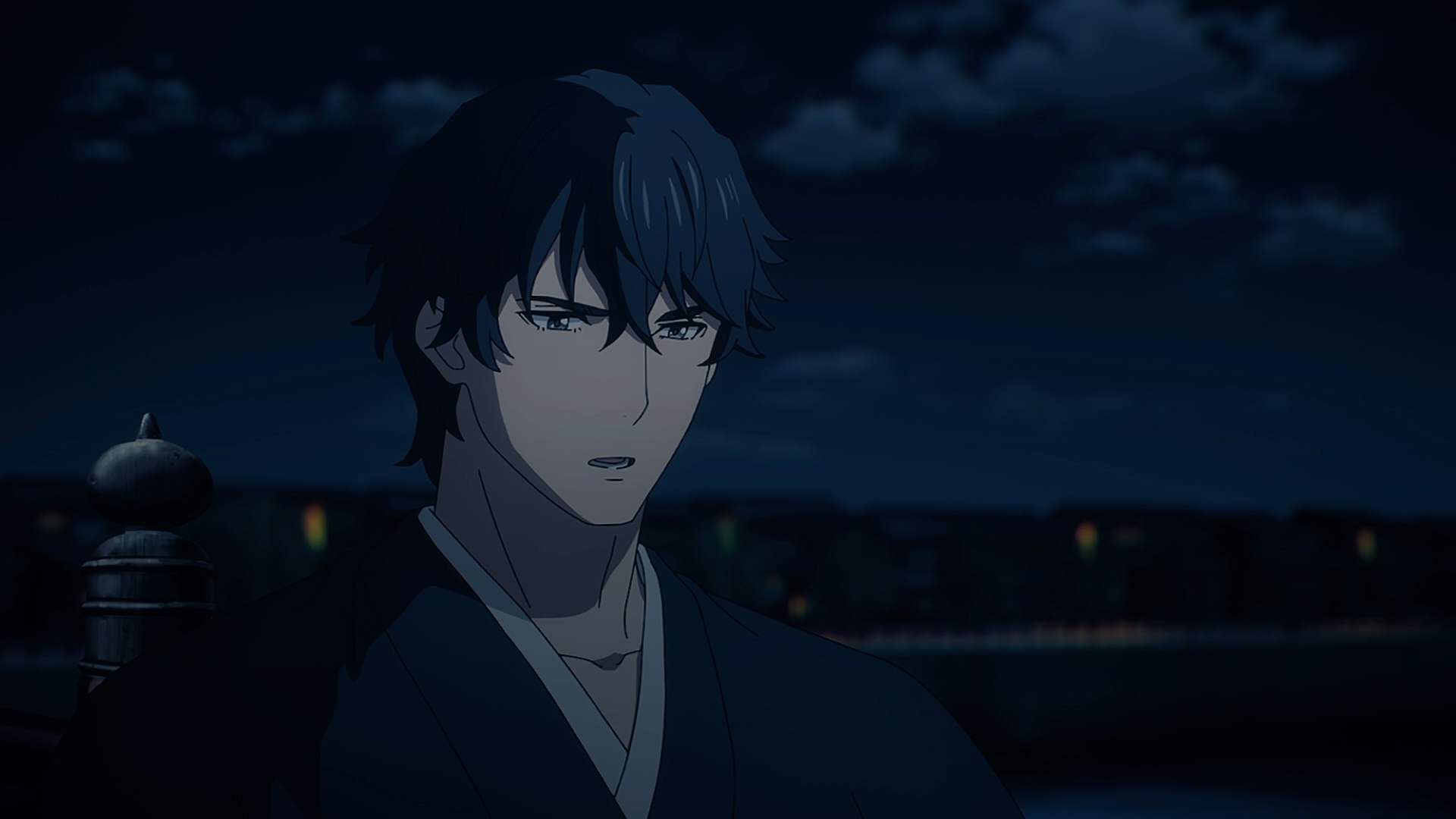
Twin Shizukas
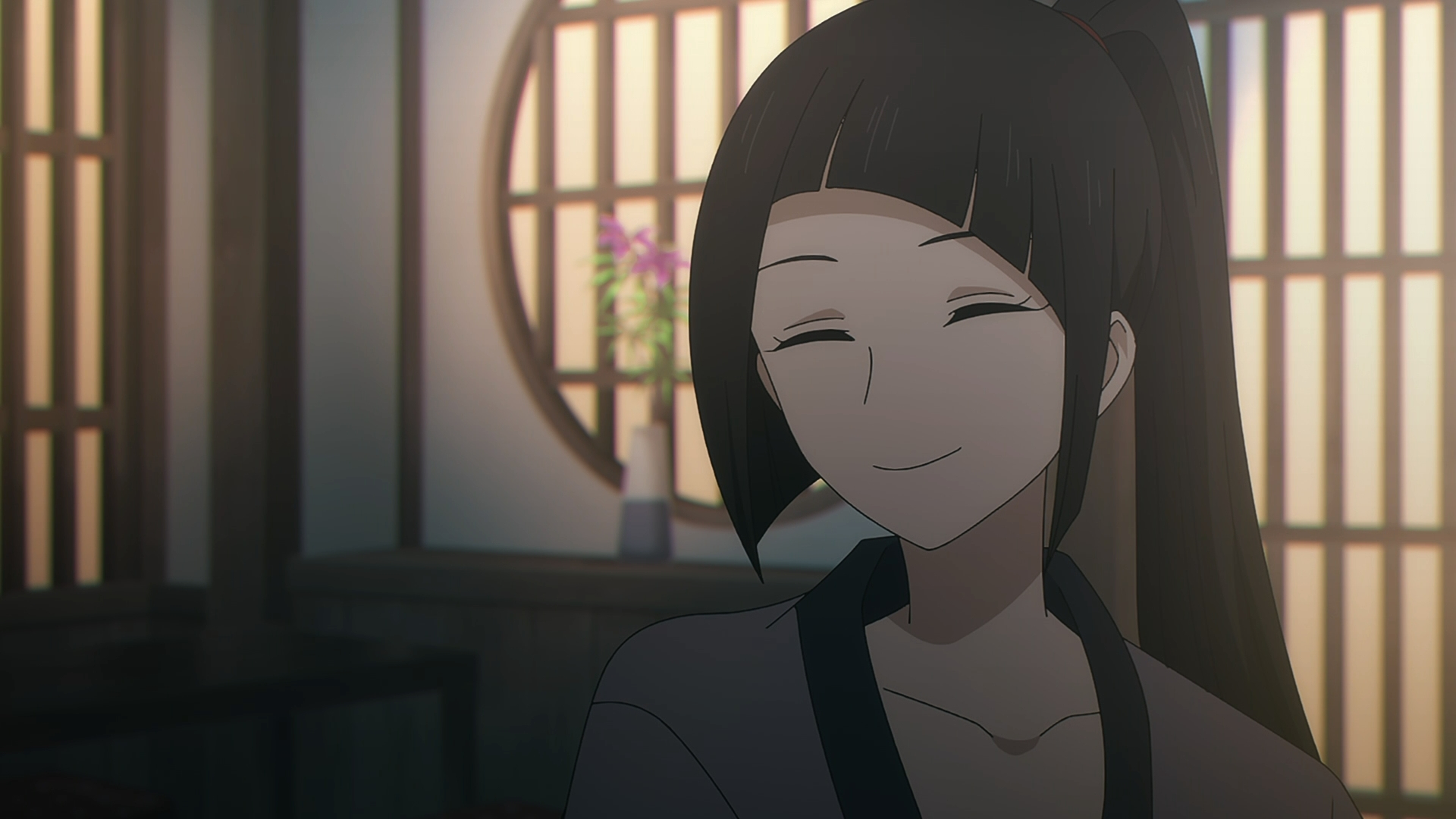
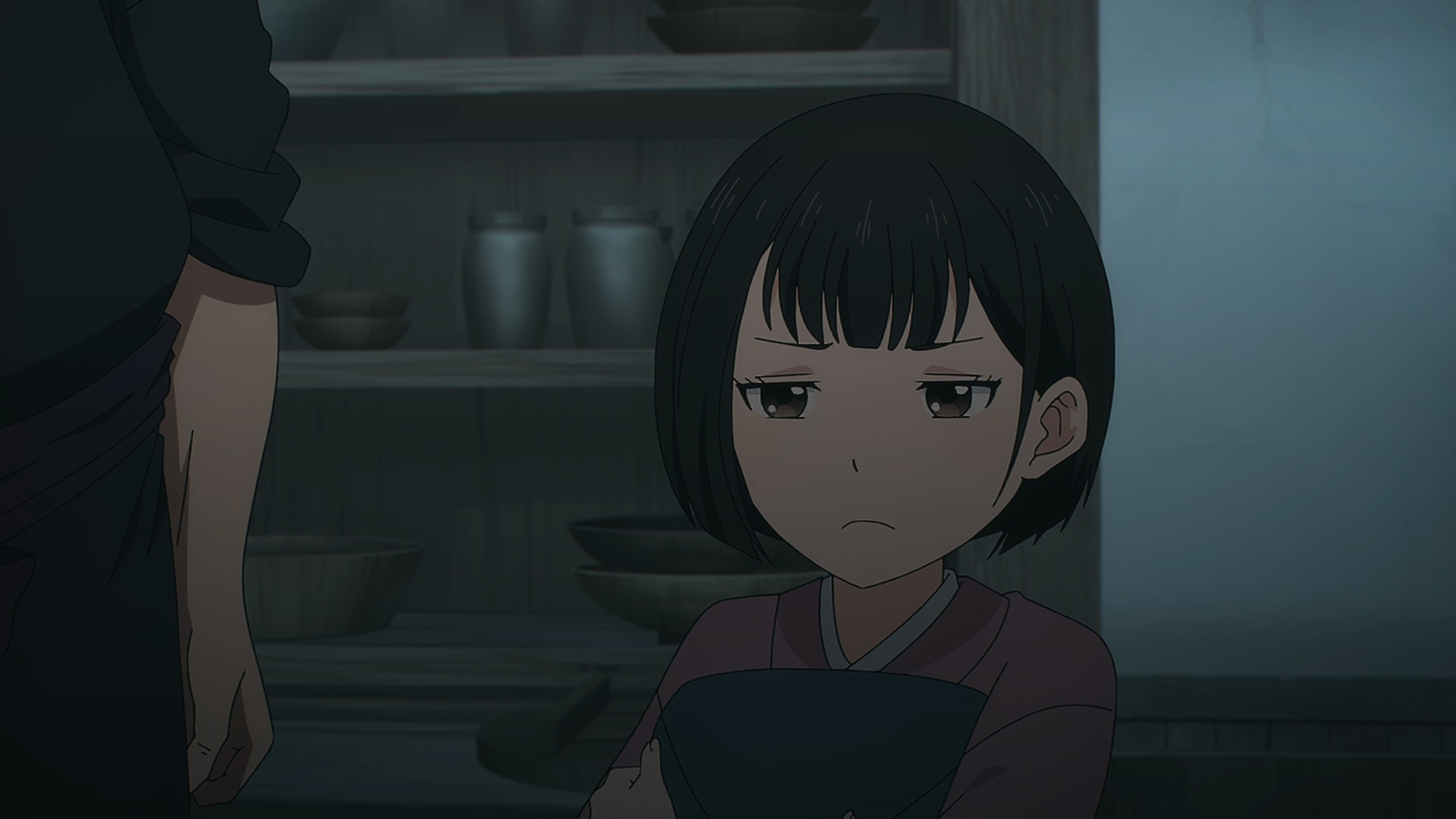
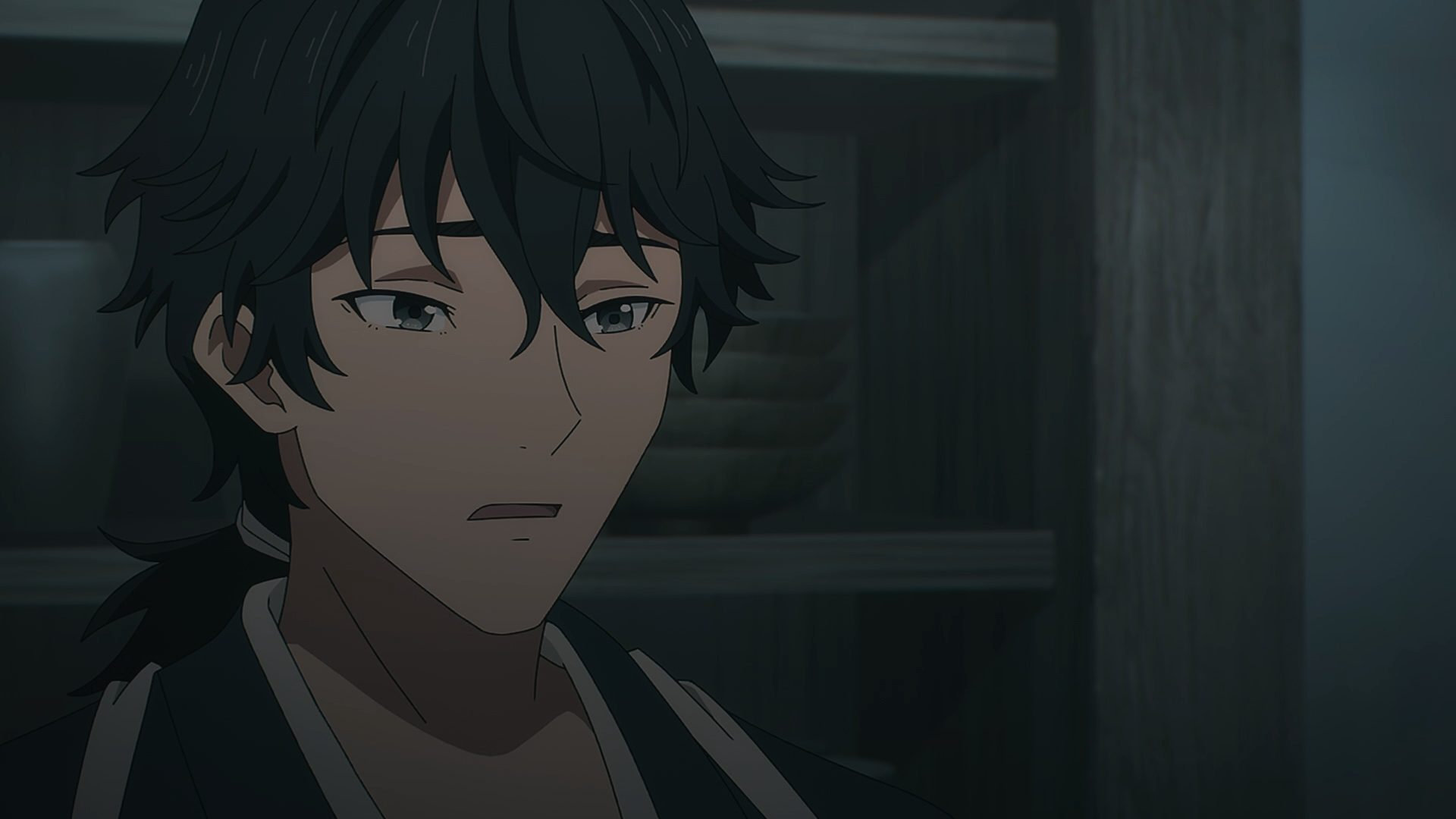
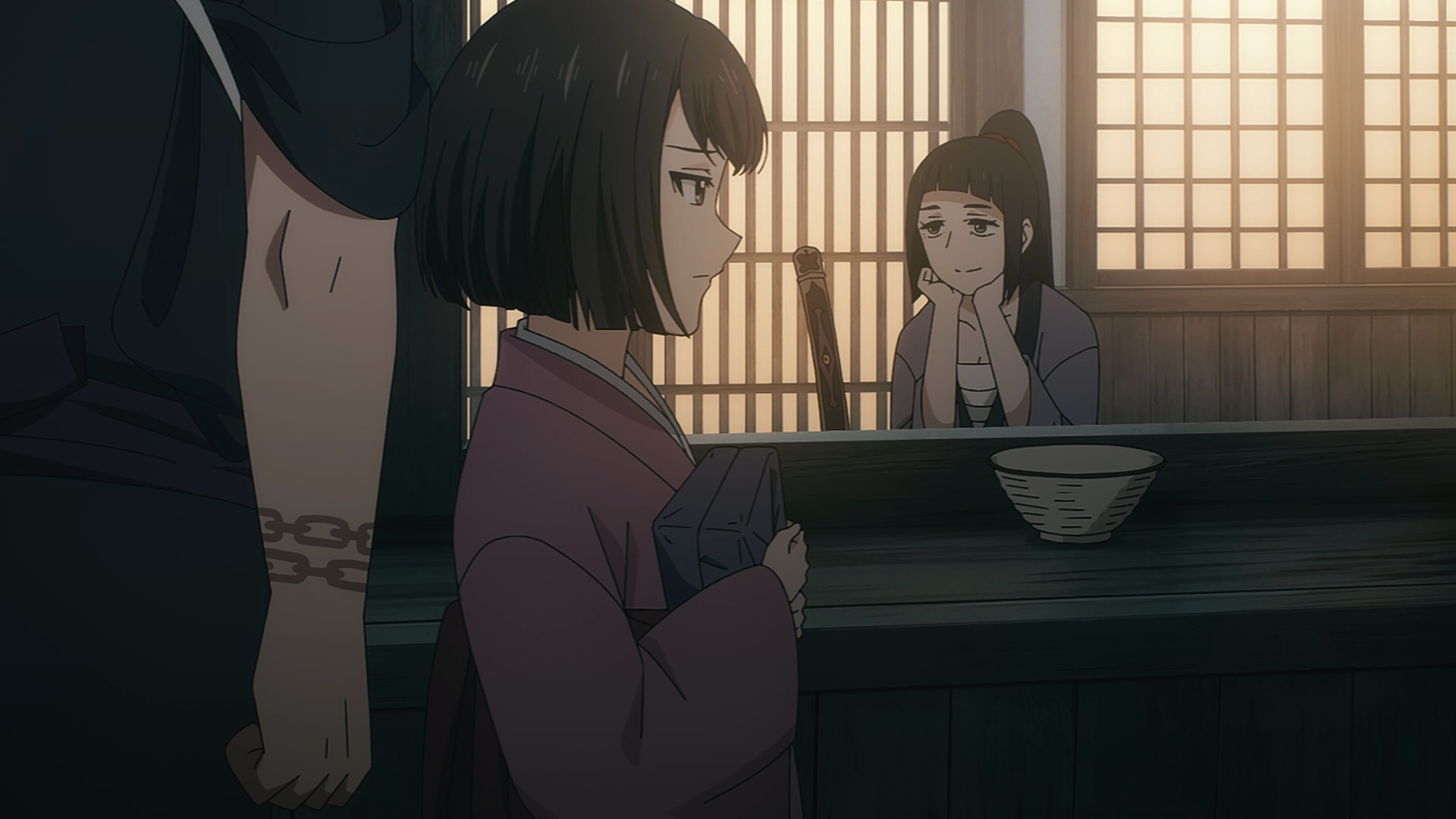
There are actually tons of layers to unpack here, but going by just what the episode explains with the “twin shizukas” having double the “double” meanings? That’s not confusing at all.. Jinya brings up the point of twin shizukas being the flower symbol of the episode. What makes them special is the fact that they have two stalks. This basically hints at Jinya and Suzune being tied to the same tragedy that occurred in episode one. Both are mirrors of each other in raising their own kids, but both are going about it in diverging paths for good and one for a nefarious one.
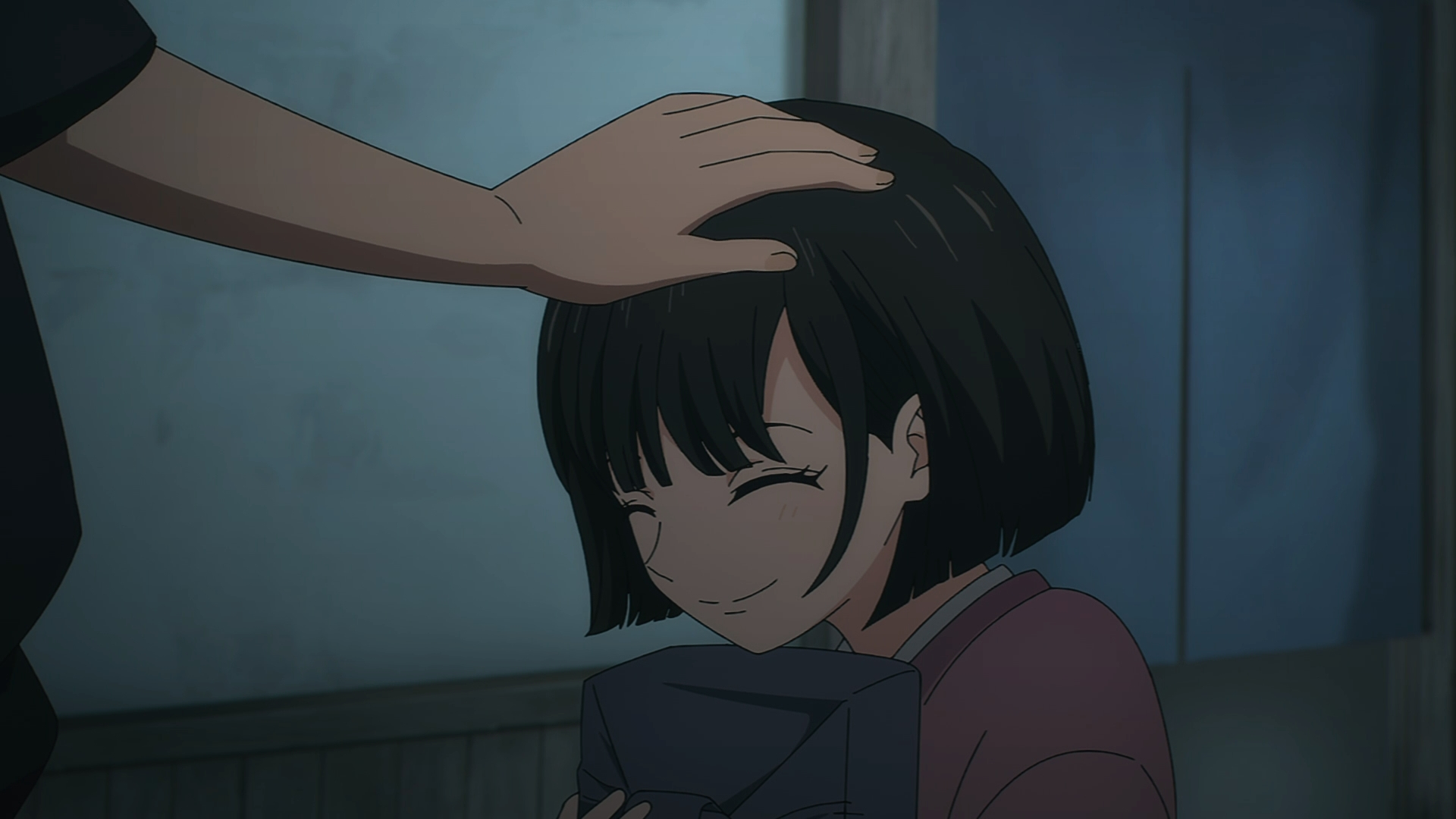
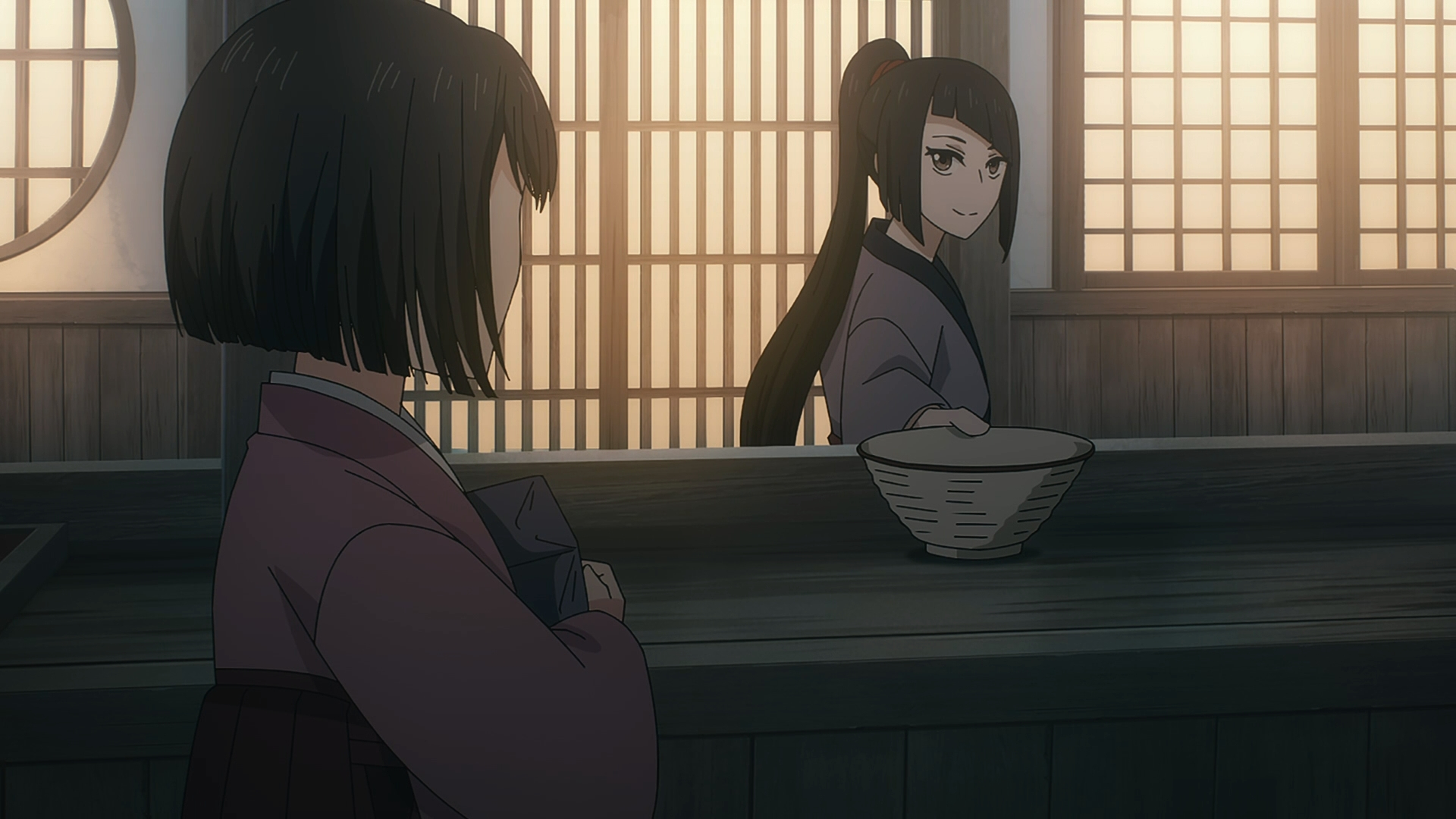

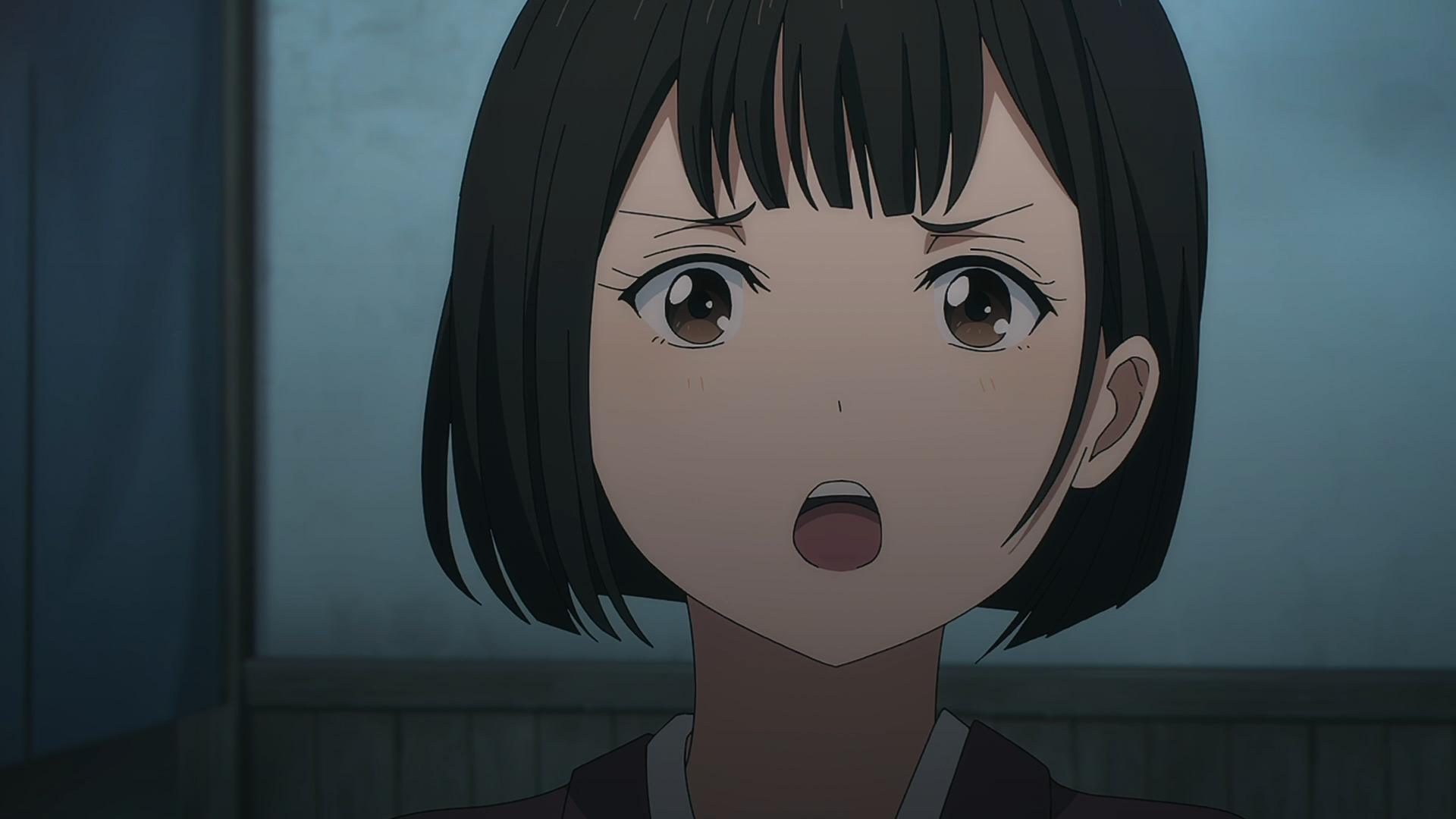
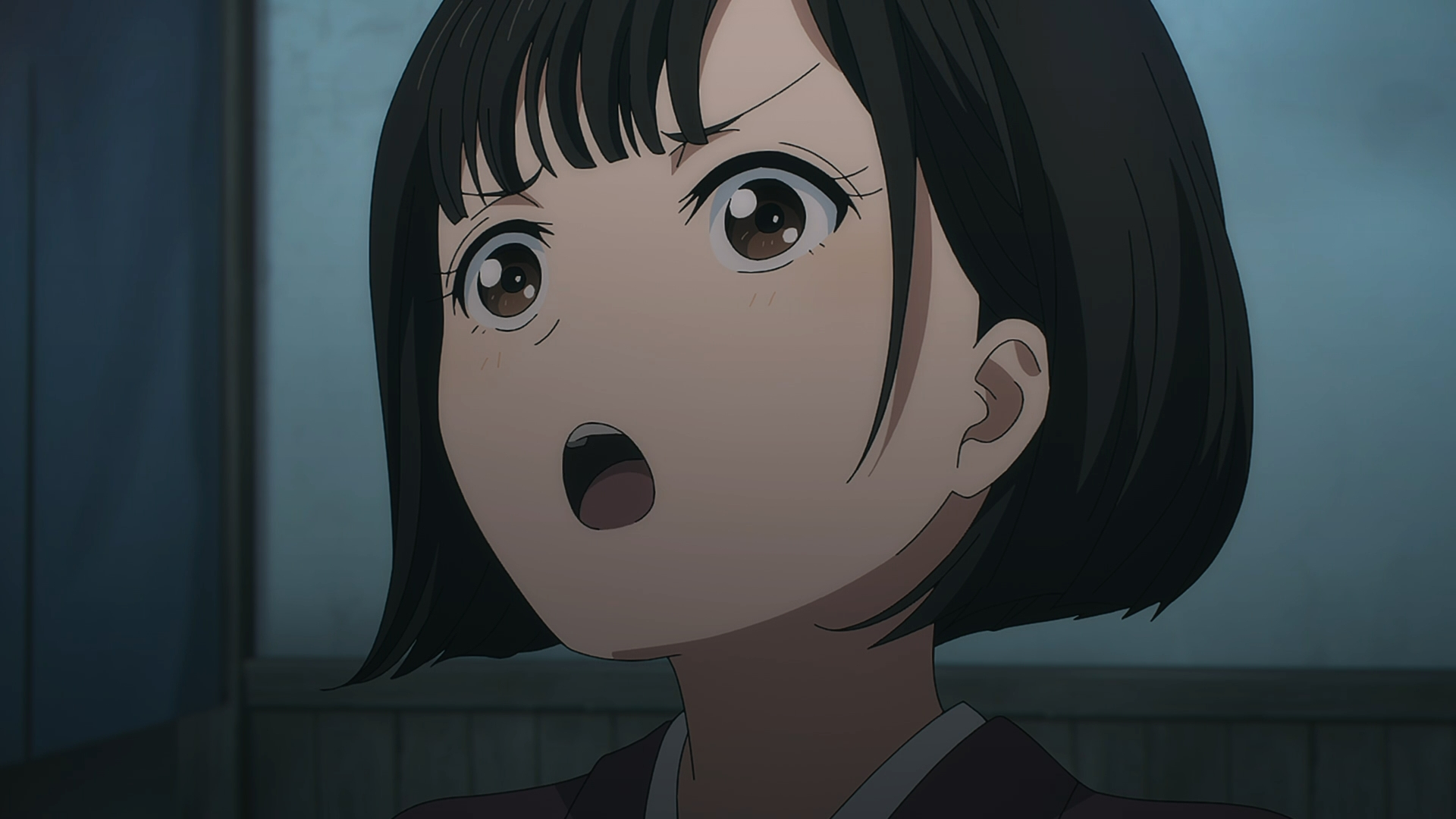
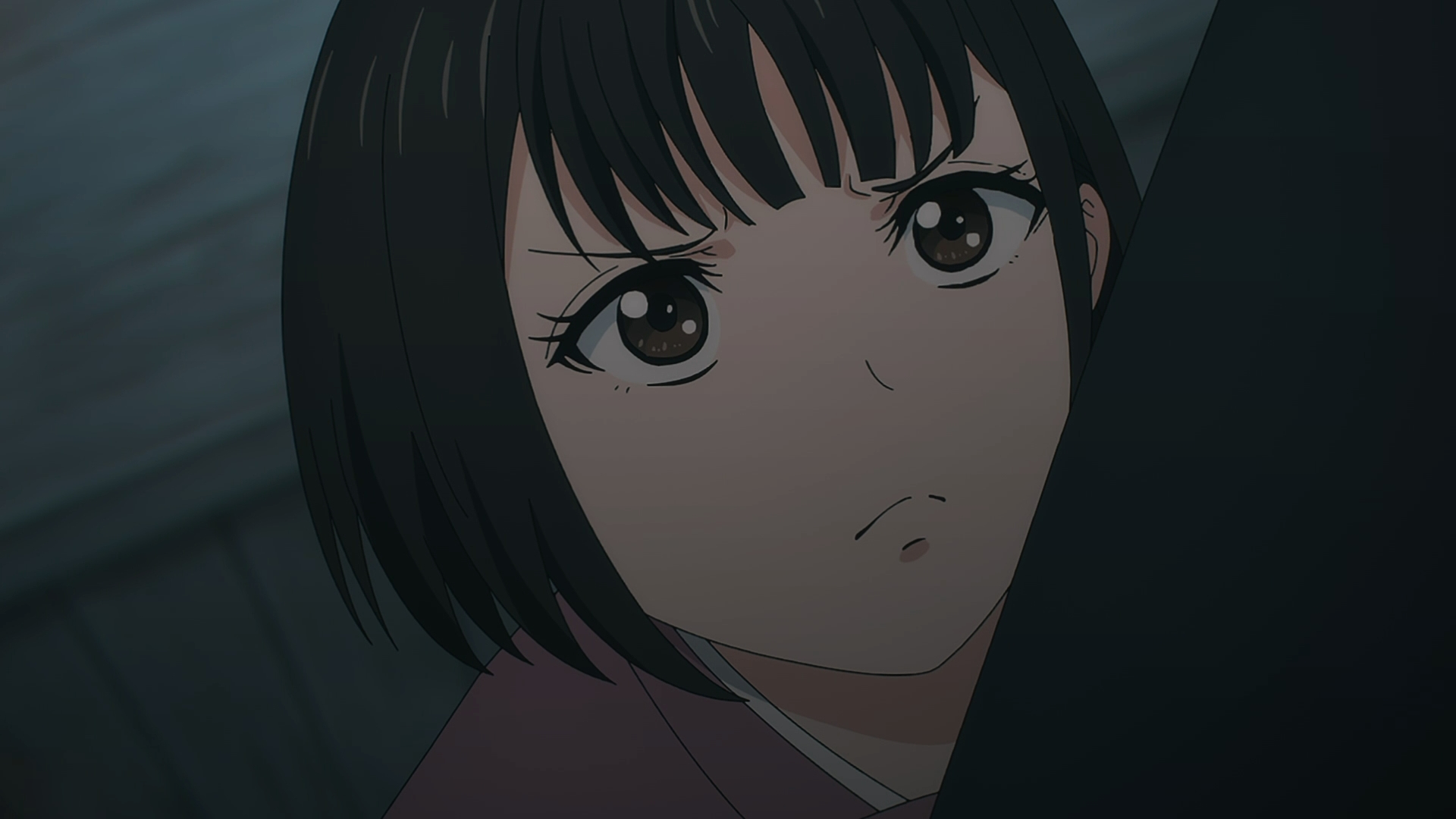

Possession
The other part of Kaneomi’s reference to the Shizuka Gozen possession is the word “possession” itself. A woman possessed by Shizuka Gozen, but eventually not is still mimicking and acting just like Shizuka Gozen. How can this be? In terms of just this episode of what we know, that is likely linked between Jinya & Suzune again for various reasons like their current familial bond and their connection to eventually see each other face-to-face to find a resolution for the incident that led to Shirayuki being YEETED!
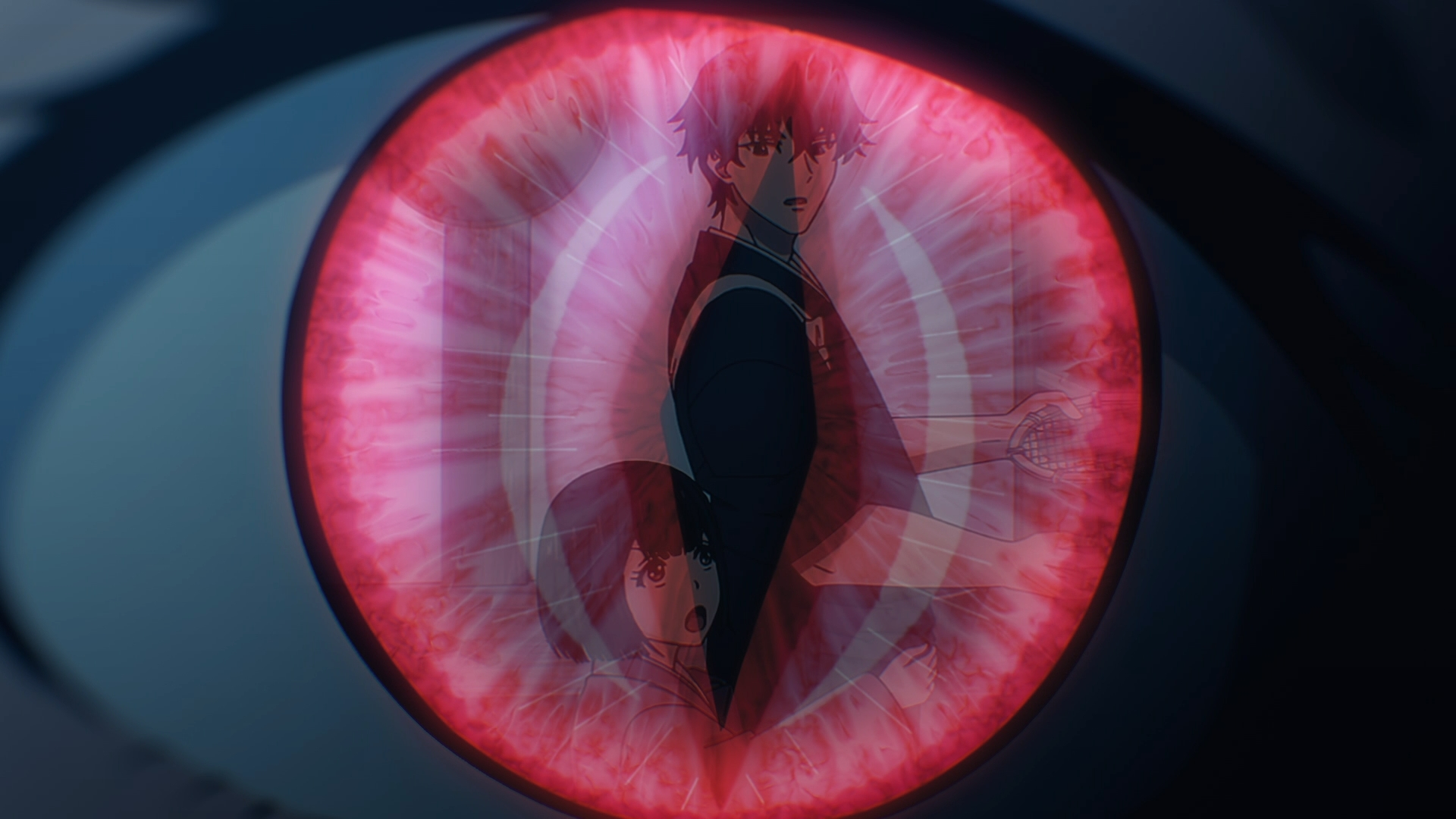
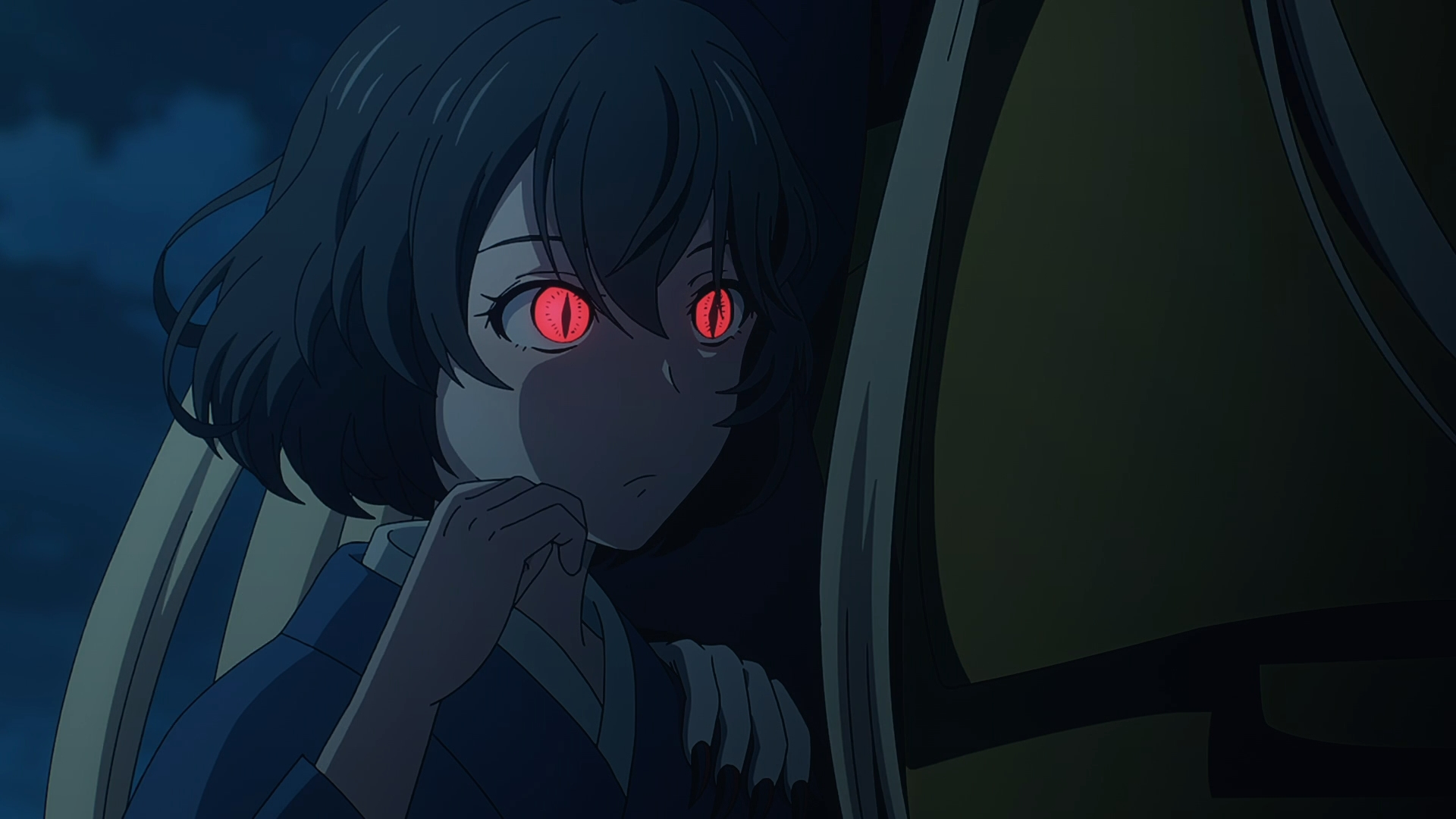
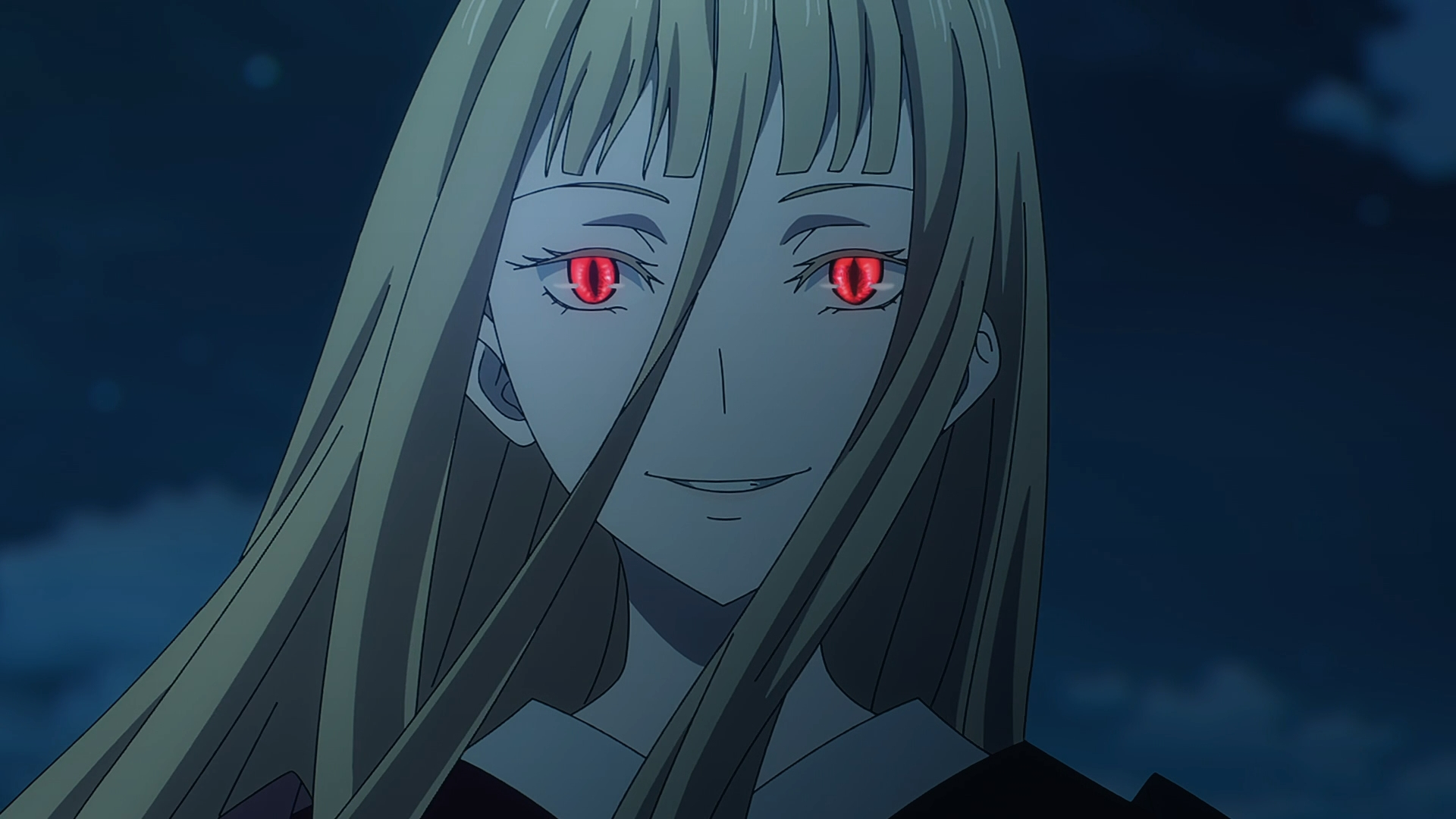
The other “possession” is likely referring to Himawari and Jishibari’s connection with Suzune. They likely have backstories that resonate with Suzune’s and it’s already starting to imply that Himawari loved what familial aspects that Jinya has displayed and feels a sense of jealousy towards Nomari’s love for her father. Being that Tsuchiura’s fight with Jinya explained that demons are spirits cursed from emotions that turn them into demons, granted power that never actually grants them the wish to obtain what they seek—Himawari & Jishibari likely have a trauma that is family related as well.


Support both of my anime YouTube channels! Otaku Sinh and Otaku Sinh 2
Miscellaneous
- This episode takes place in Meiji Year 5 (1872), five years after the events of the previous episode, where the shogunate lost all political power back to the Emperor

 OTAKU SINH