

The current year is near a climactic end for the shogun in Keio Year 3 (1867) and Miura mulls over what he should do next. Also, a familiar Tsukumogami user drops by Jinya’s place to deliver a rumor about the main villain, Suzune.
Video Review
What Stands Out About This Episode?
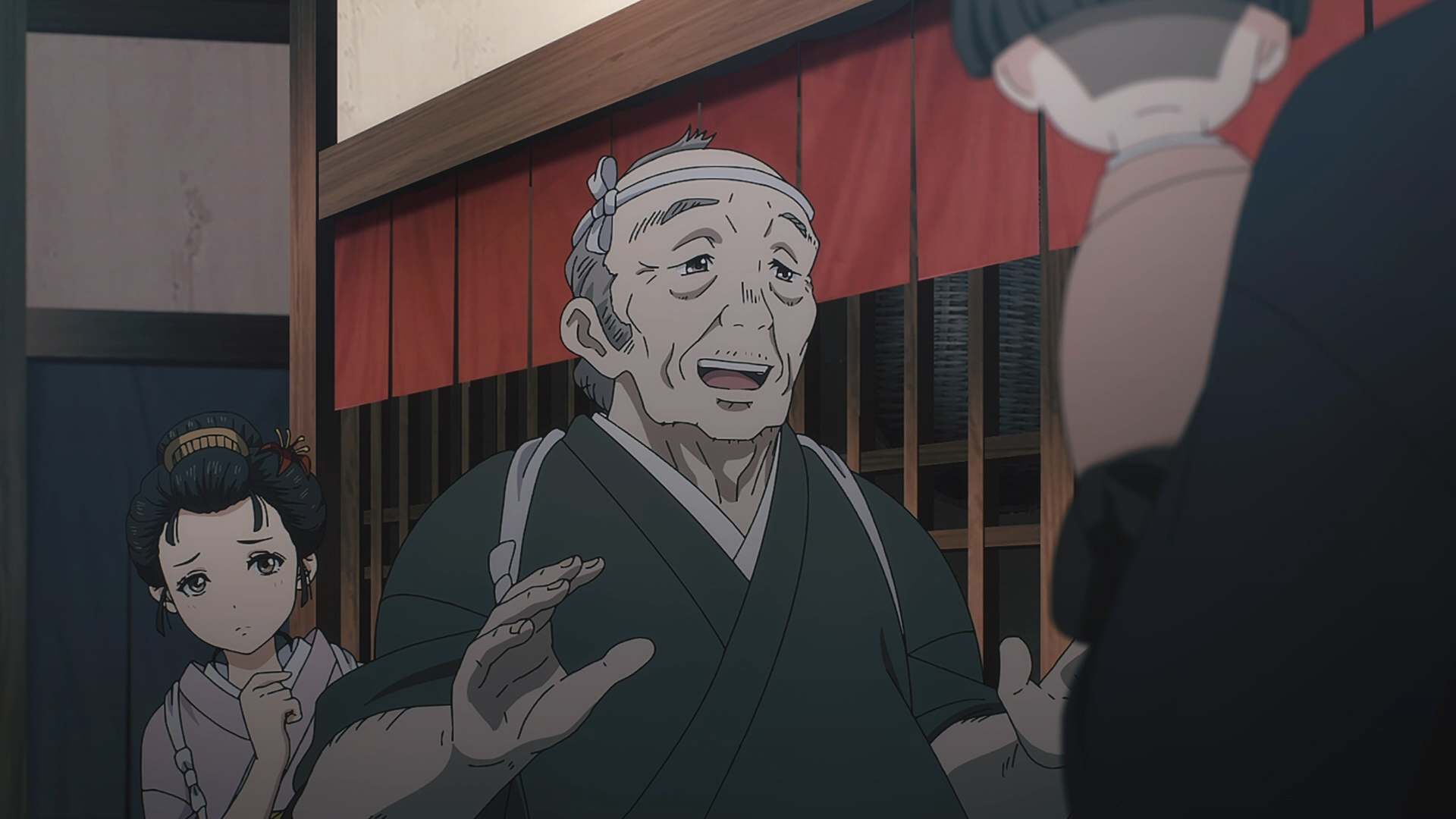
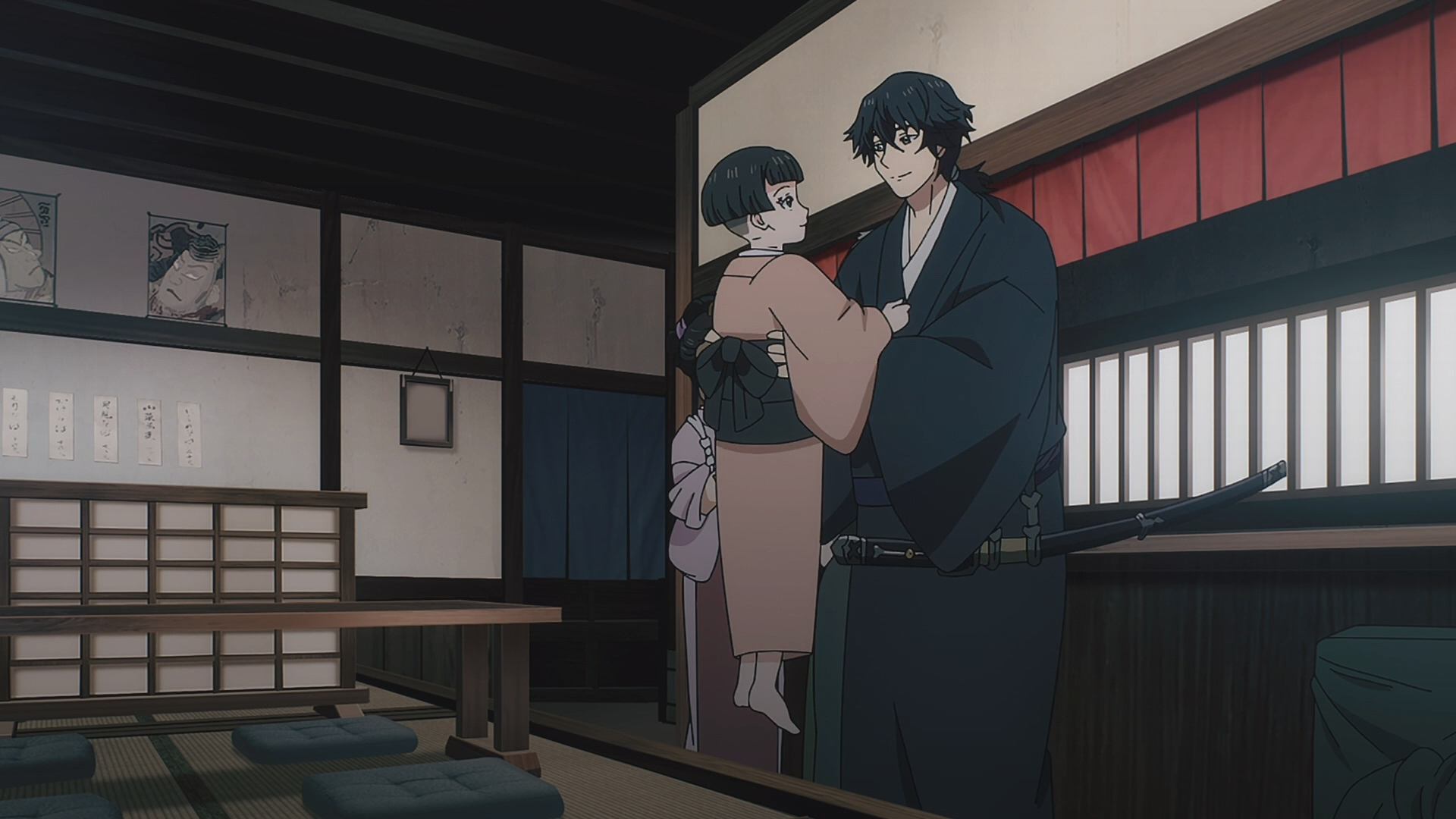
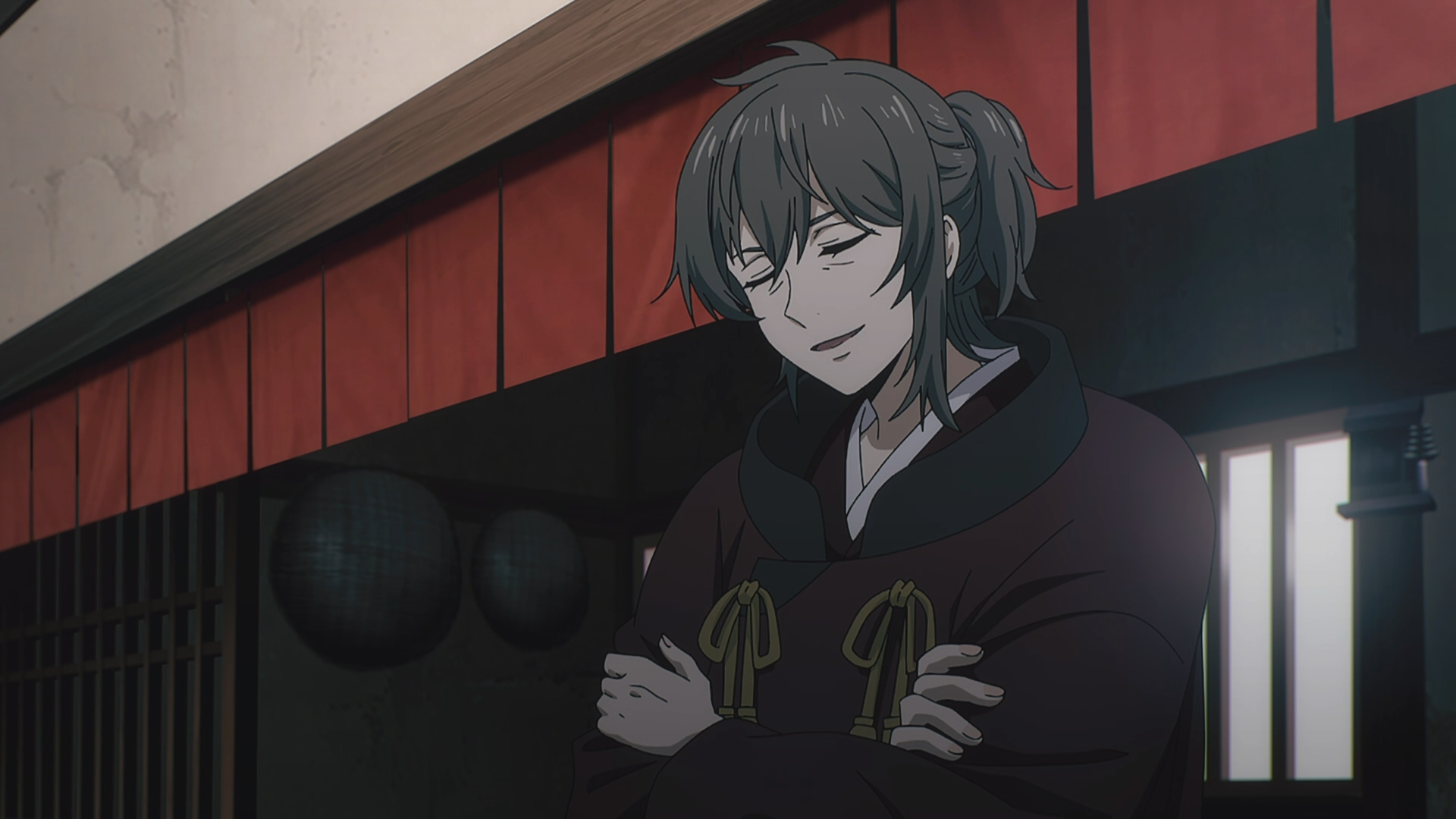
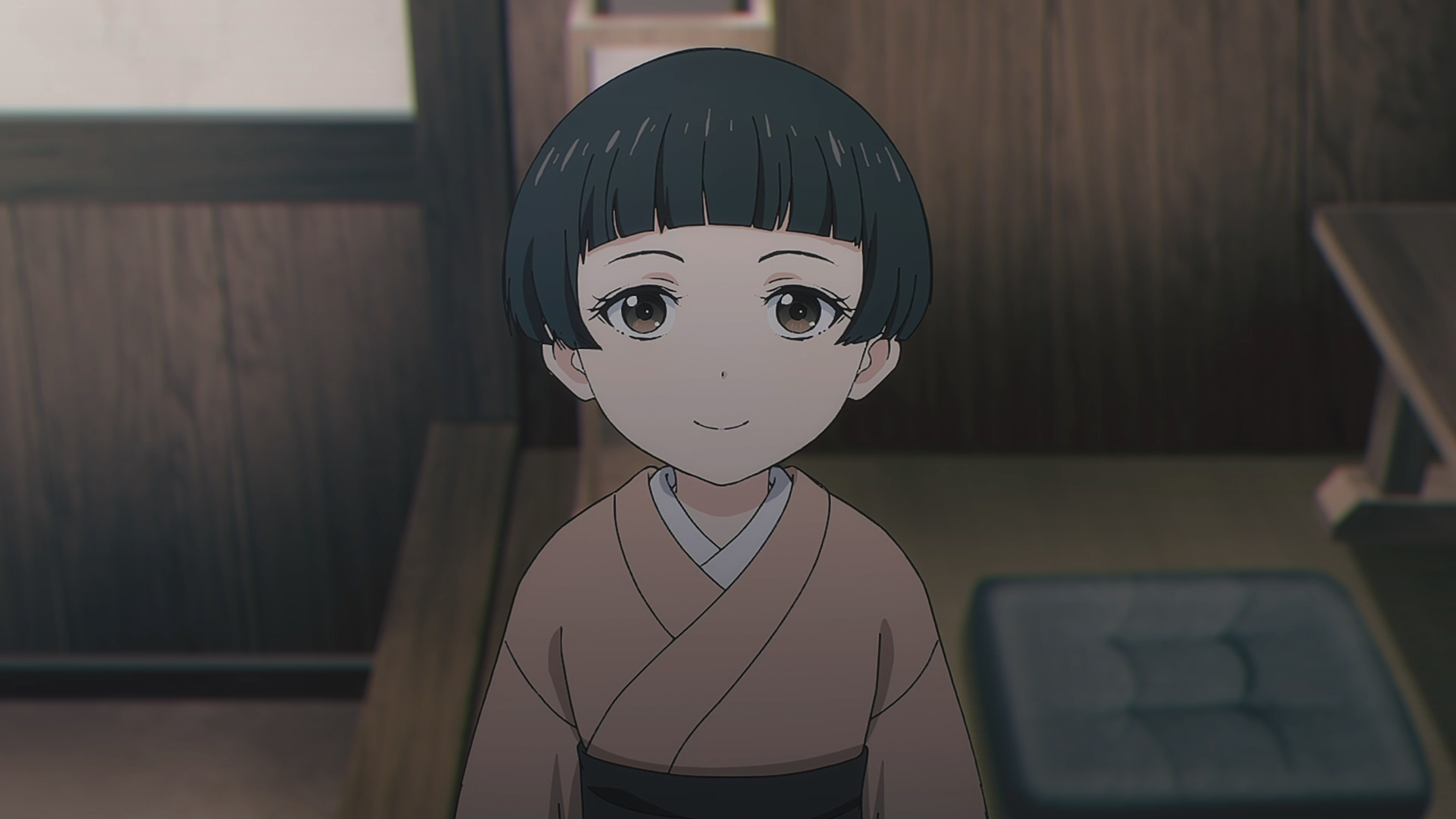
Neglect vs Sole Purpose
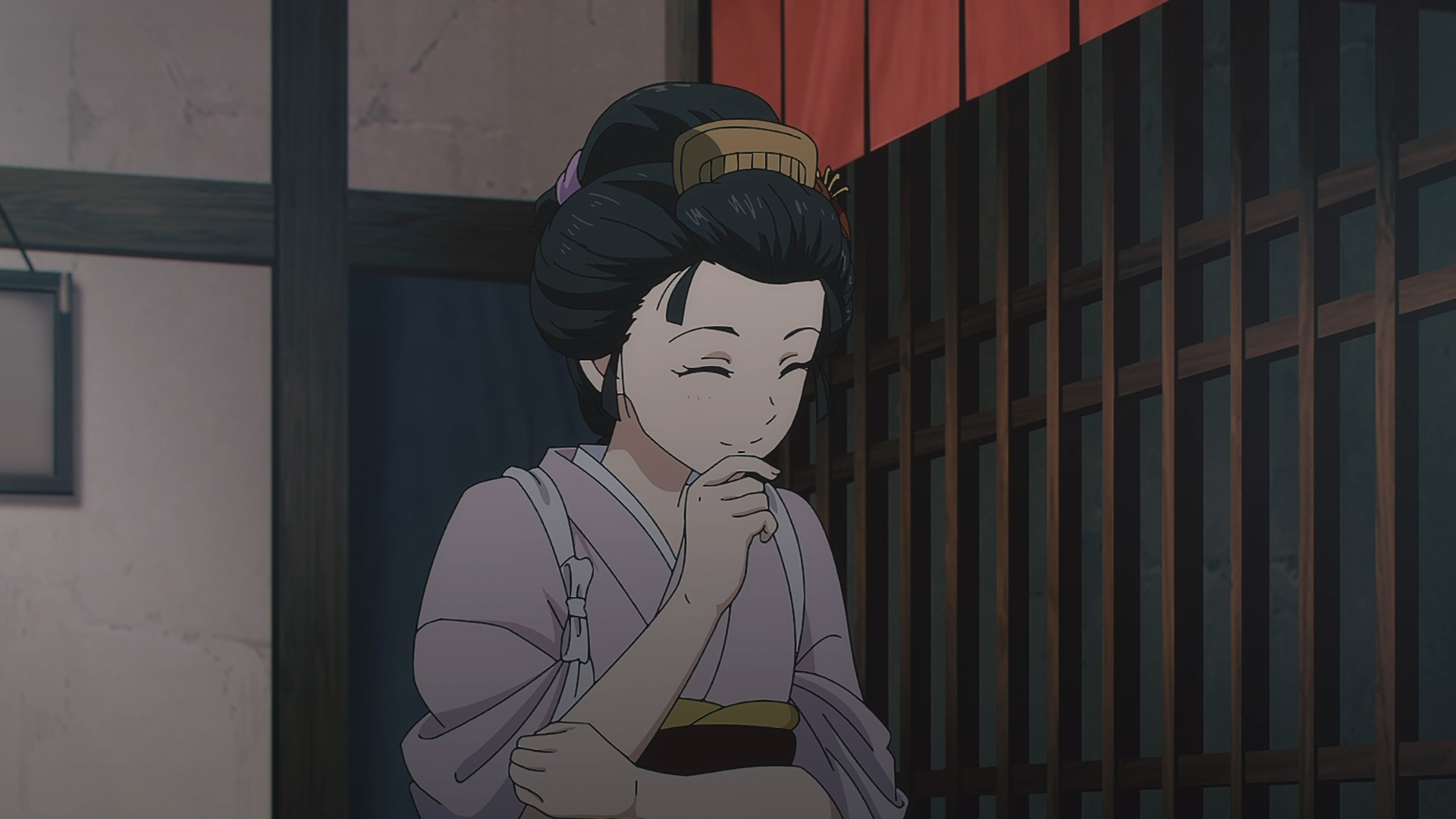
The biggest takeaway from the previous episode was that Jinya basically accepted his new style of life that includes “baggage.” Someone like the master swordsman, Kiichi Okada, helped remind us of Jinya’s prior purpose in life to serve as a Sentinel to the Itsukihime. During that time serving for Shirayuki, Byakuya, or the Itsukihime—it’s been clearer with this episode that there was neglect for his half-demon sister in Suzune. This becomes more apparent as our MC’s adopted daughter in Nomari reminded him exactly of Suzune. While living life with a sole purpose, cutting everything else off vastly improves your skill level like it did for Kiichi—Jinya’s situation has now turned to him accepting a life filled with family and friends. Nothing sums up the love and accepting nature of Jinya’s new position as a full-time daddy, than his unconditional love for the now toddler, Nomari!
Life is Fleeting
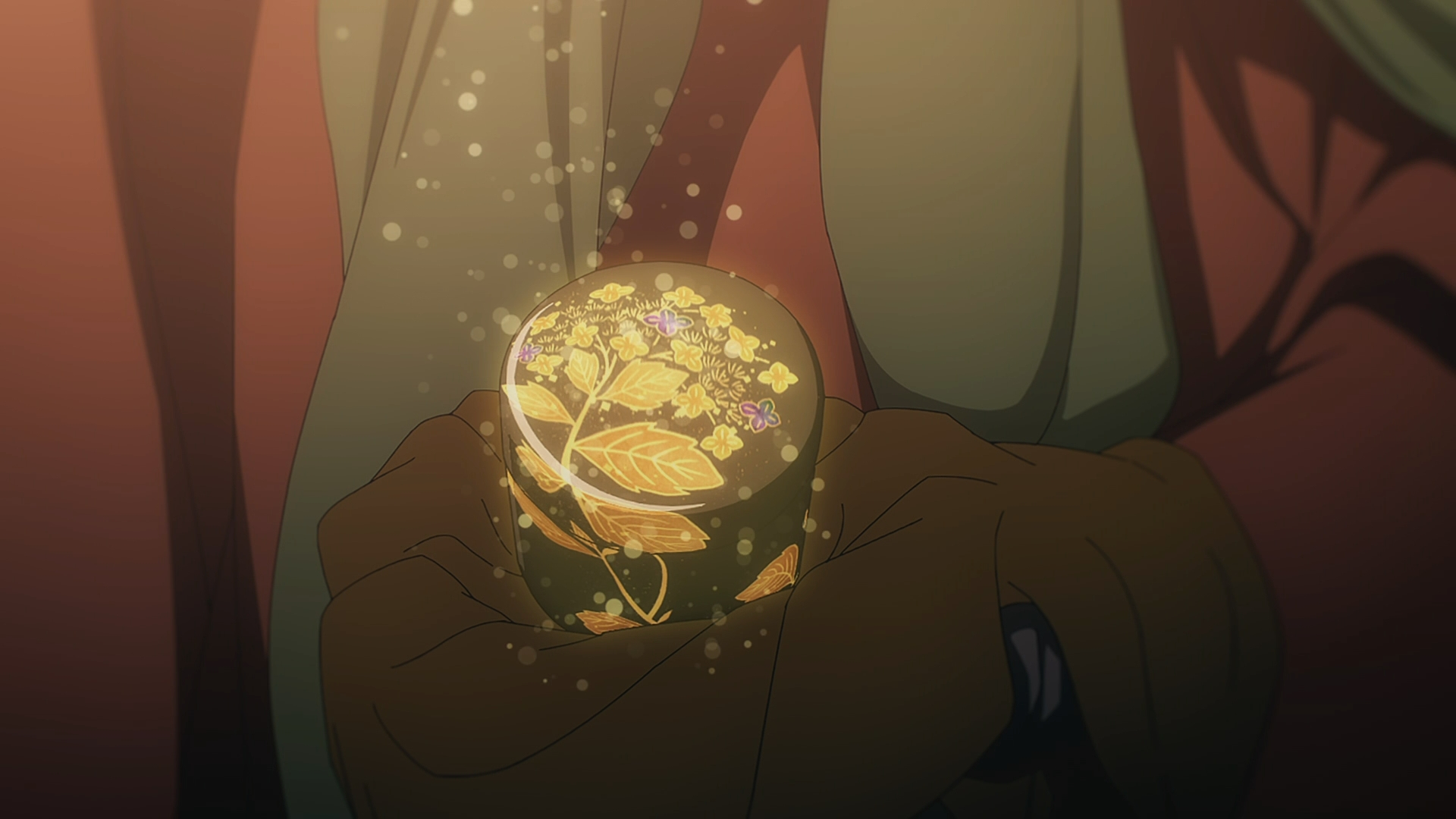
It’s another episode with a plant related symbol. This time it is the widely common Hydrangea or the “ajisai” in Japan. Sword of the Demon Hunter takes shape of the metaphor “life is a journey.” Within that journey in this episode specifically revolves around the skilled craftsman and Tsukumogami user in Somegoro Akitsu that can turn emotions into demons. He often holds different types of inanimate objects that spirits often latch onto.
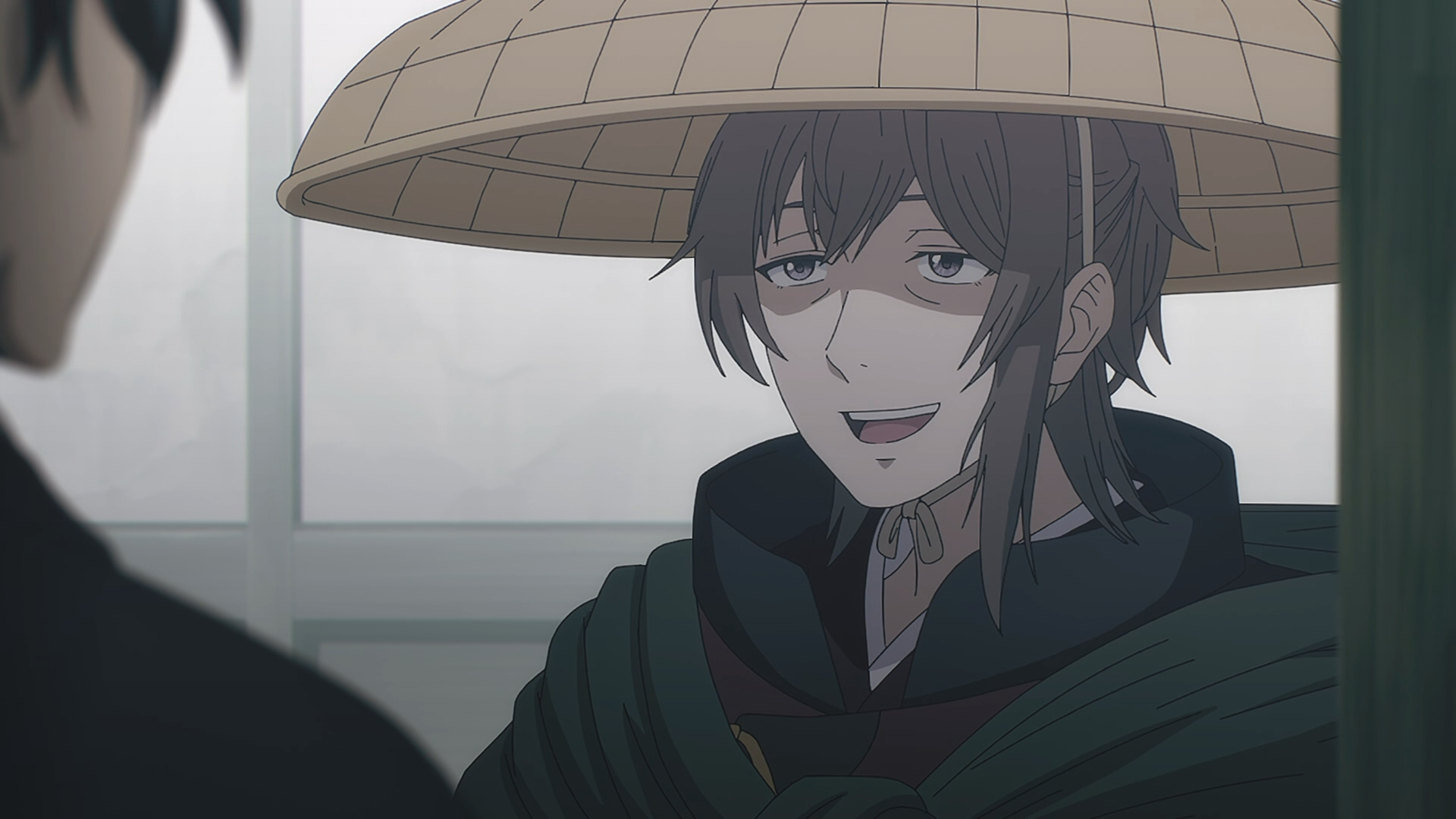
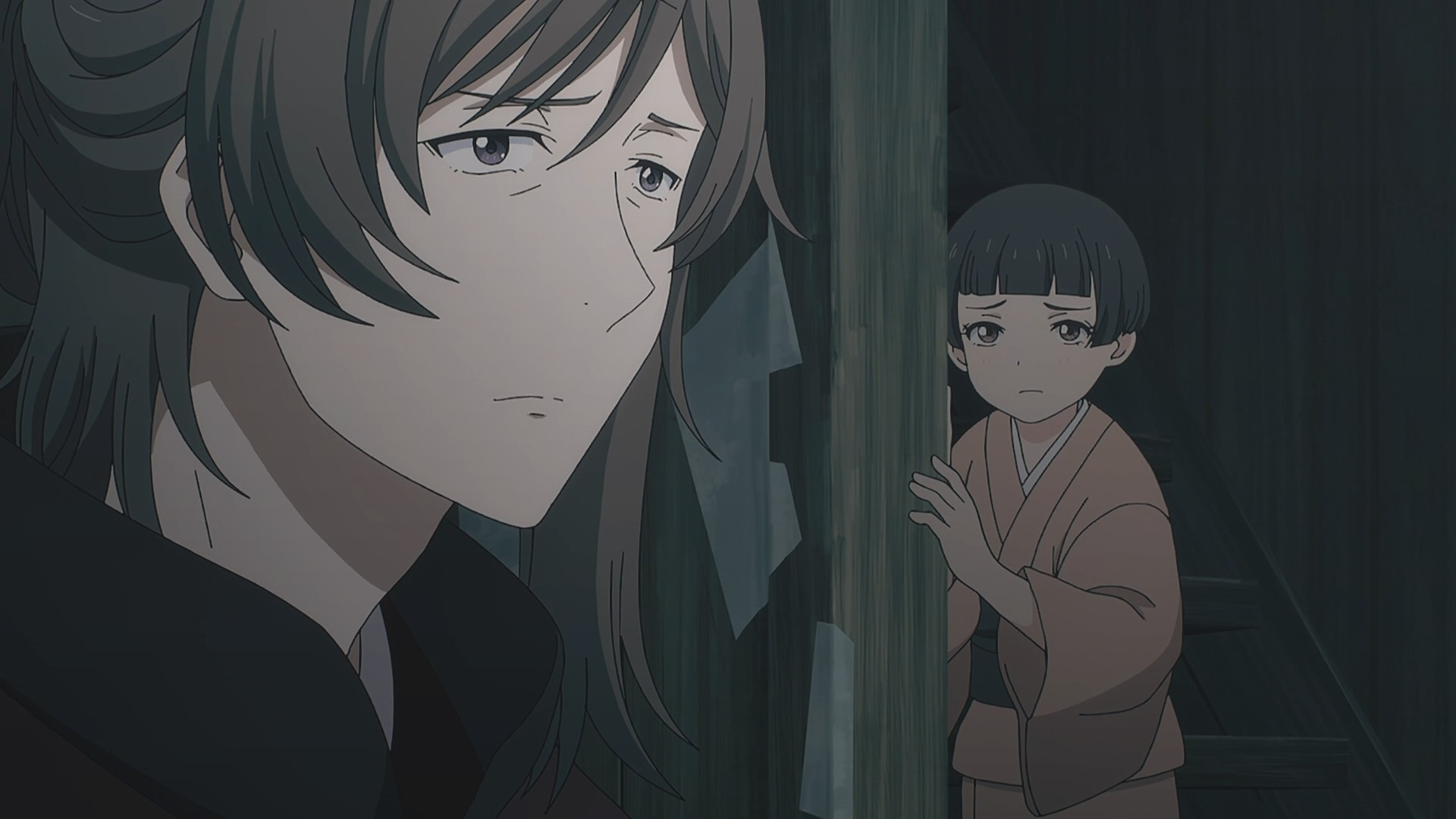
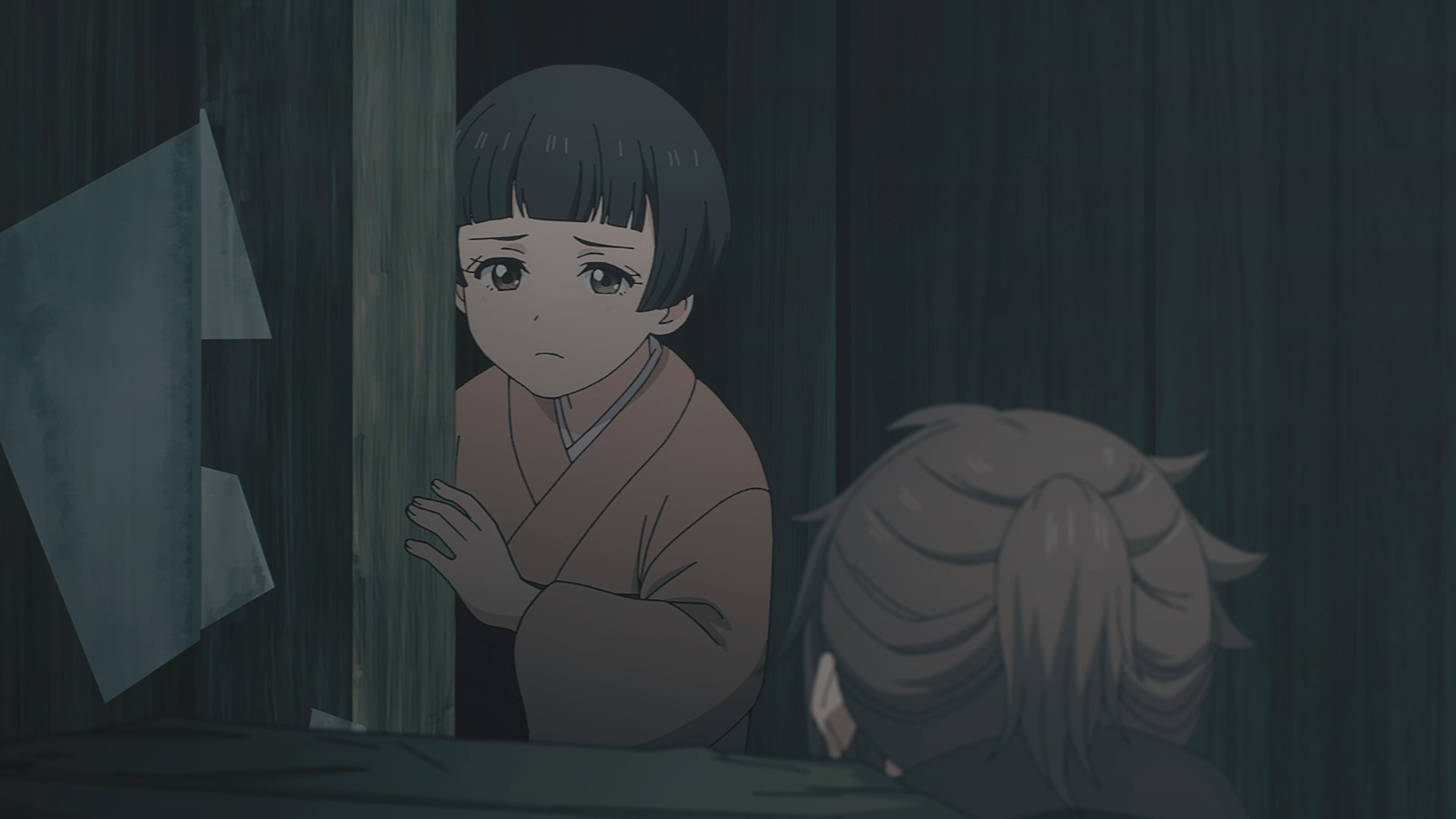
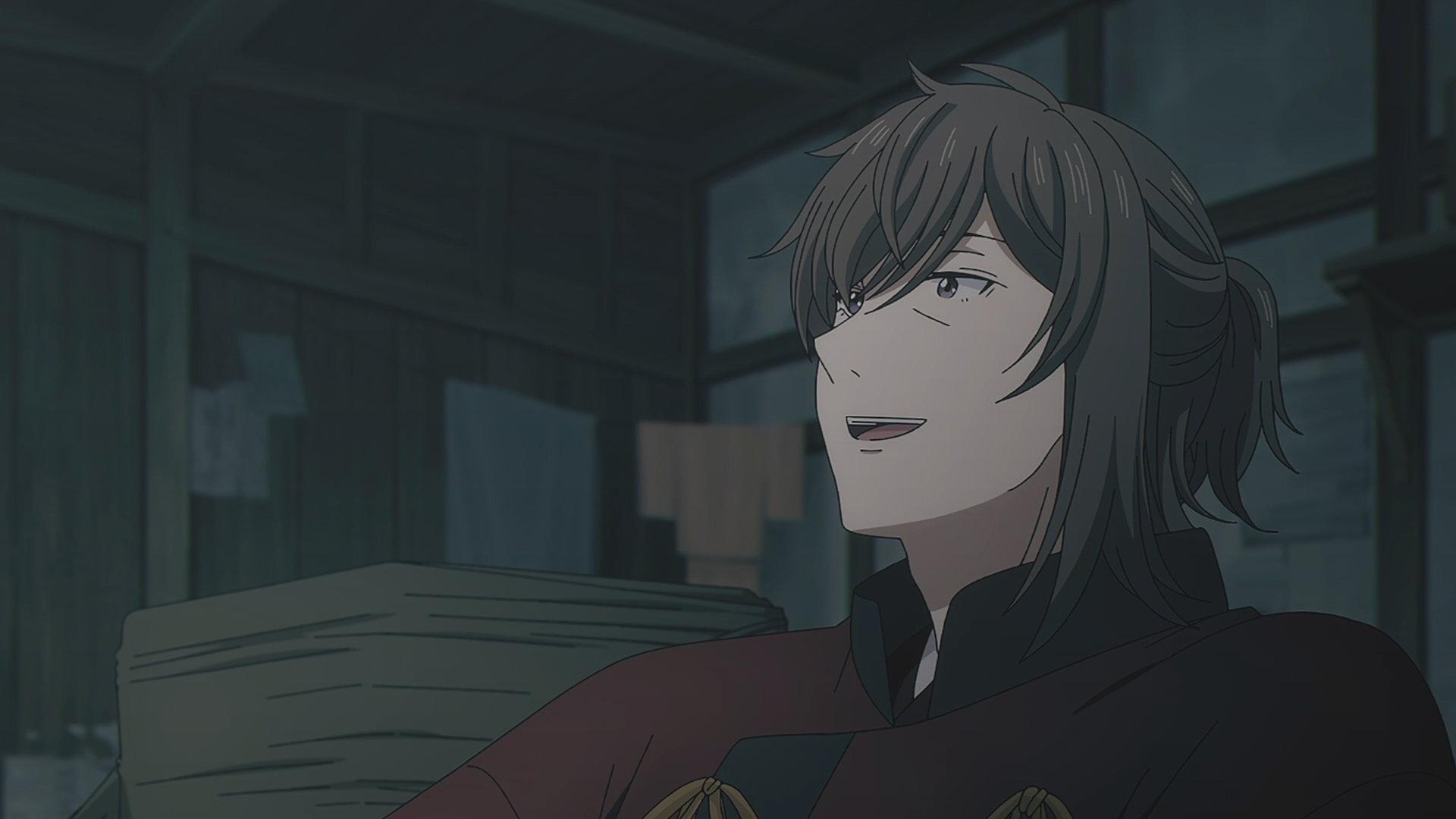
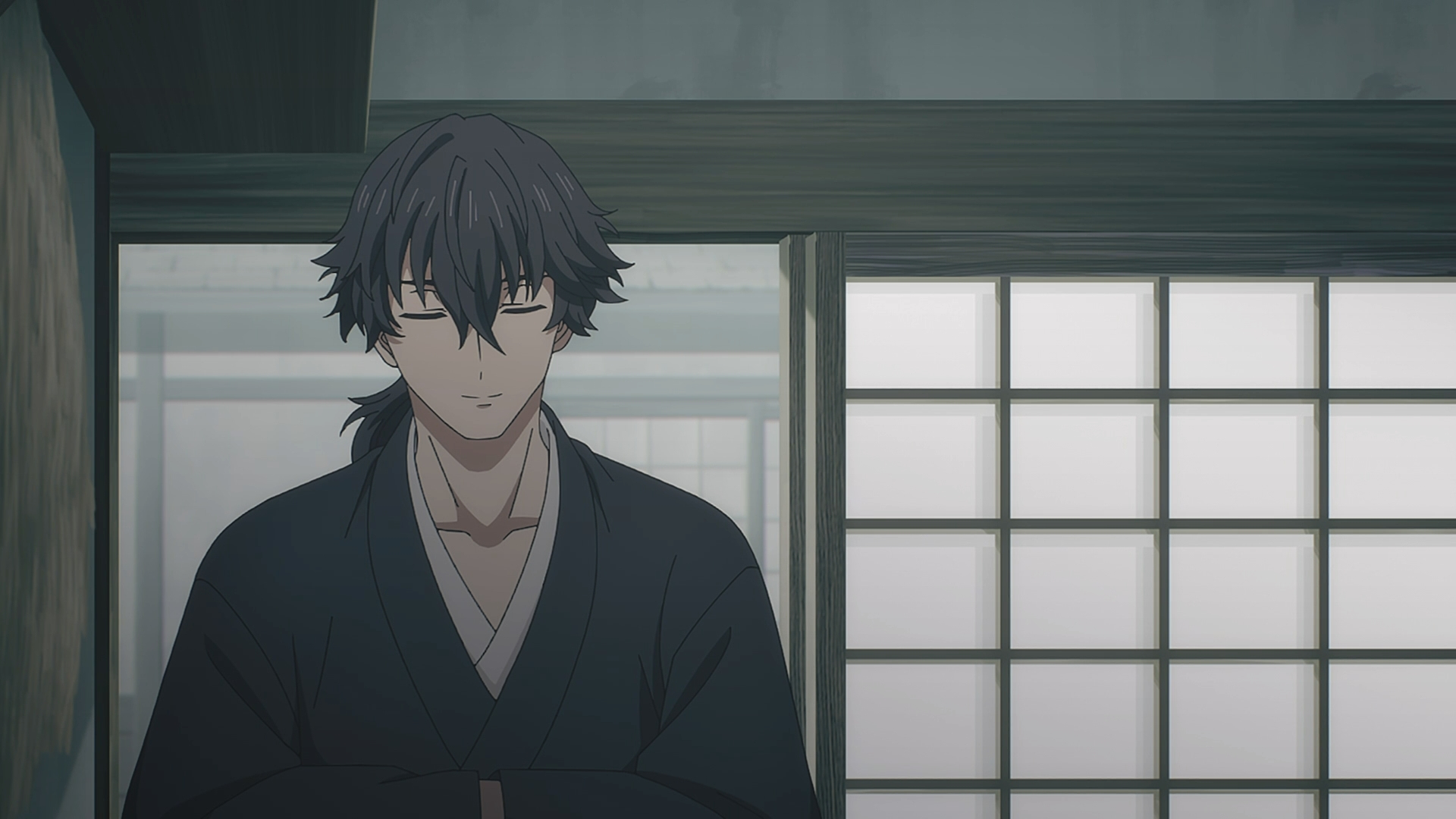
The spirit this time ends up being this “natsume tea-caddy.” Due to the design of it being of hydrangea flowers, people often associate it with “fickleness” or “treachery.” Depending on the soil it is grown in, hydrangea flowers can bloom into different varieties of styles and colors. The current episode takes place in Keio Year 3 (1867), which marks the last year before the Shogunate officially cedes its political powers back to the Emperor. This internal political turmoil is represented in the character Miura Naotsugu, who is a long-standing samurai.
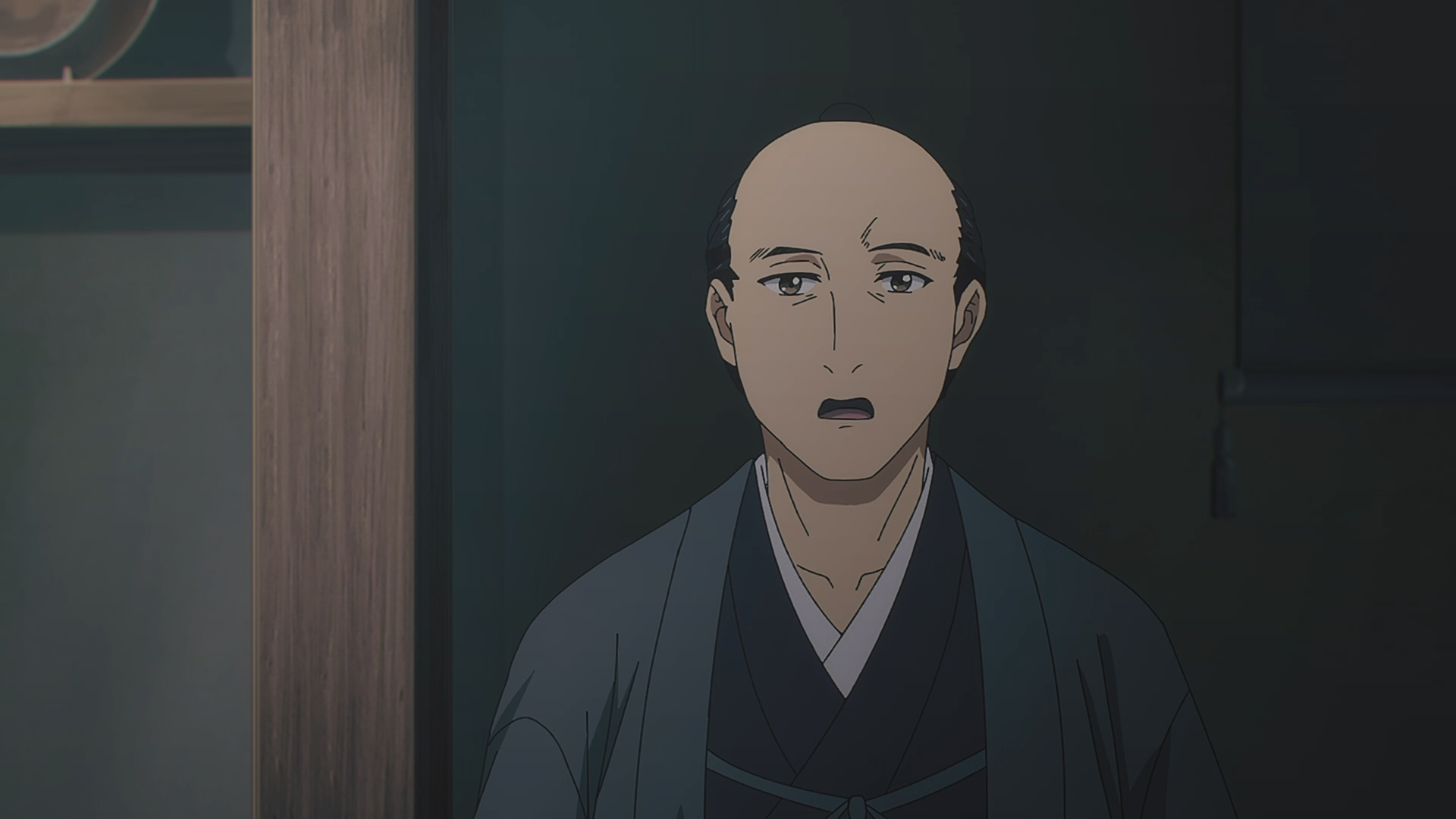
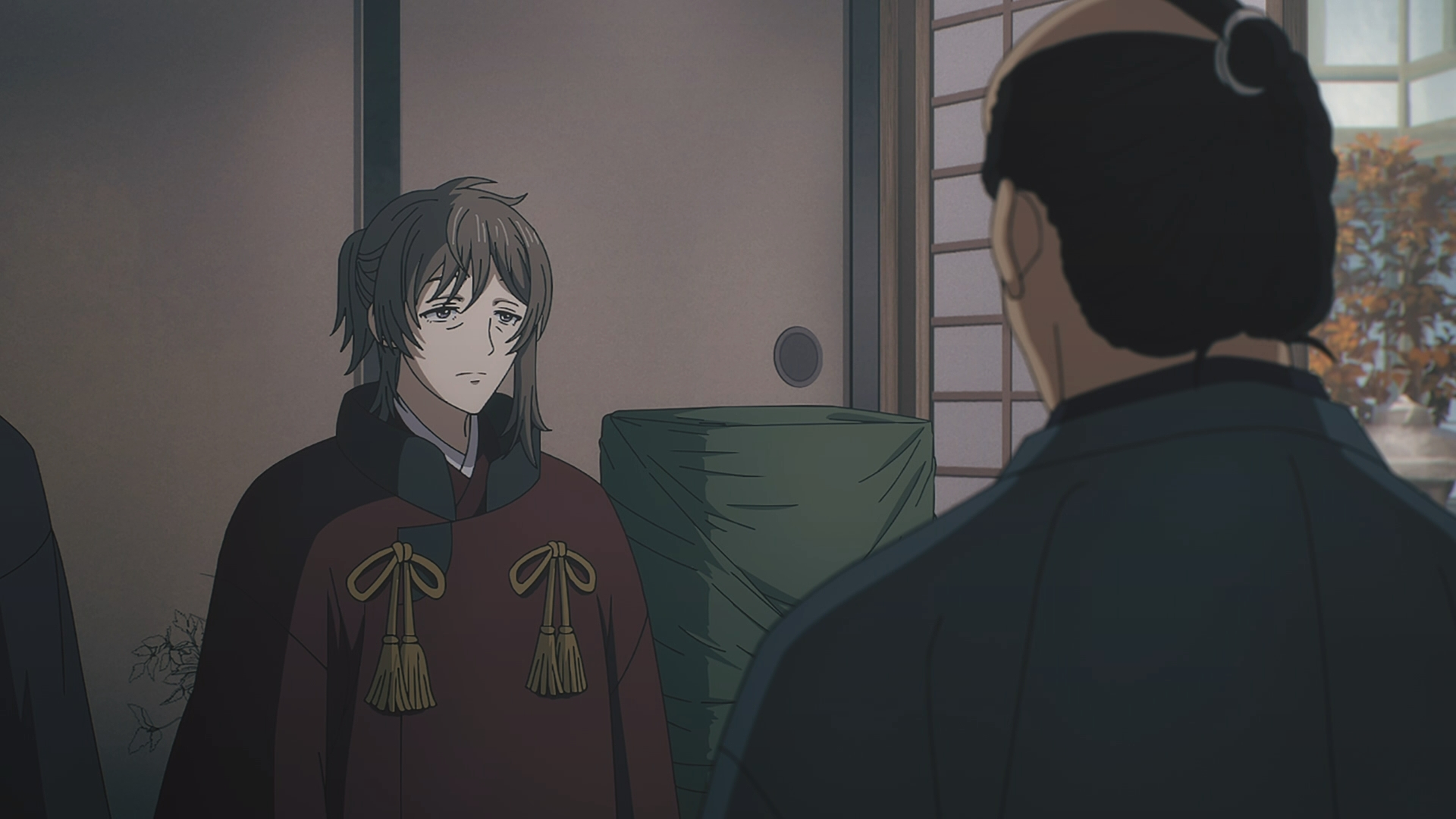
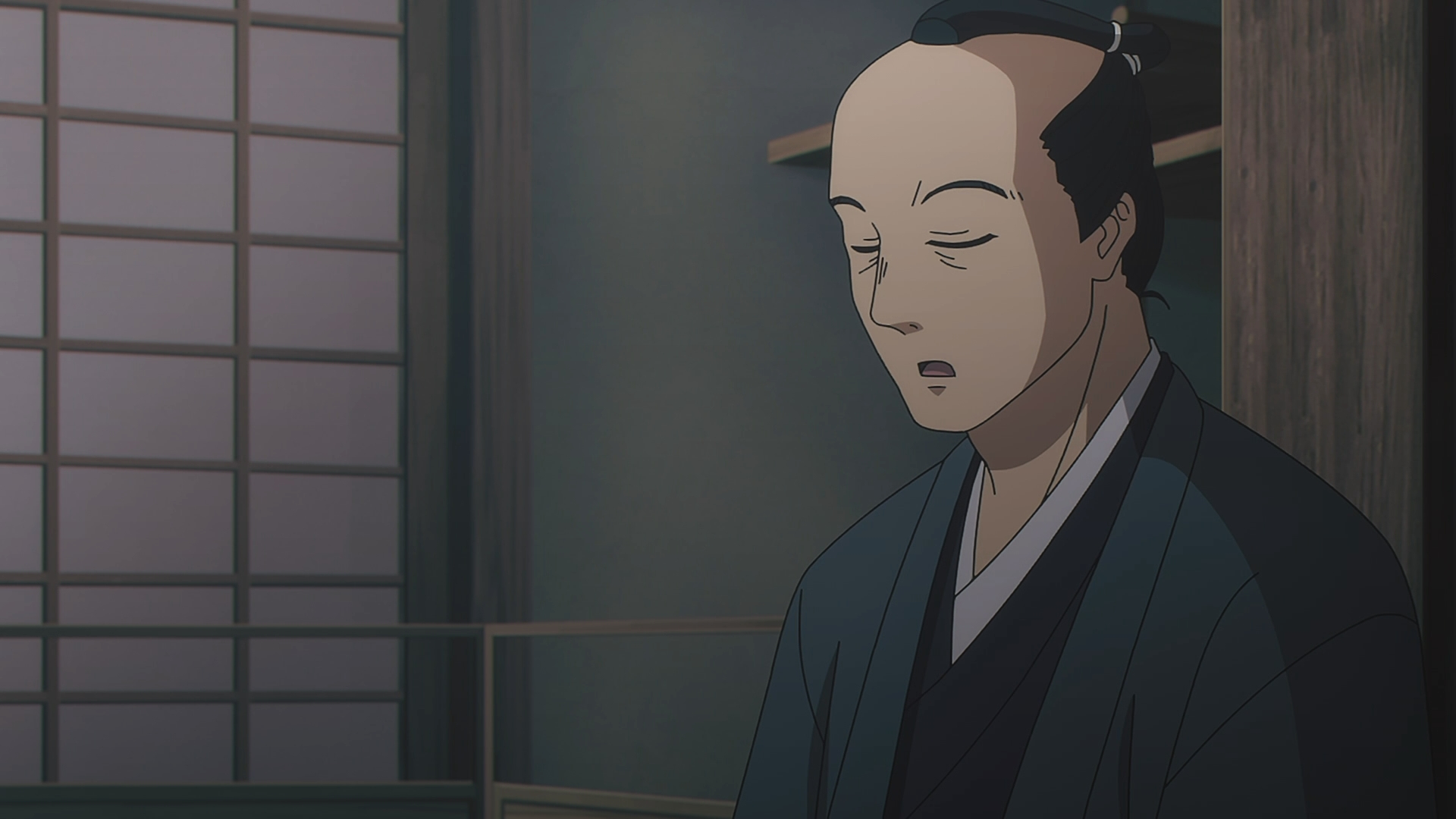
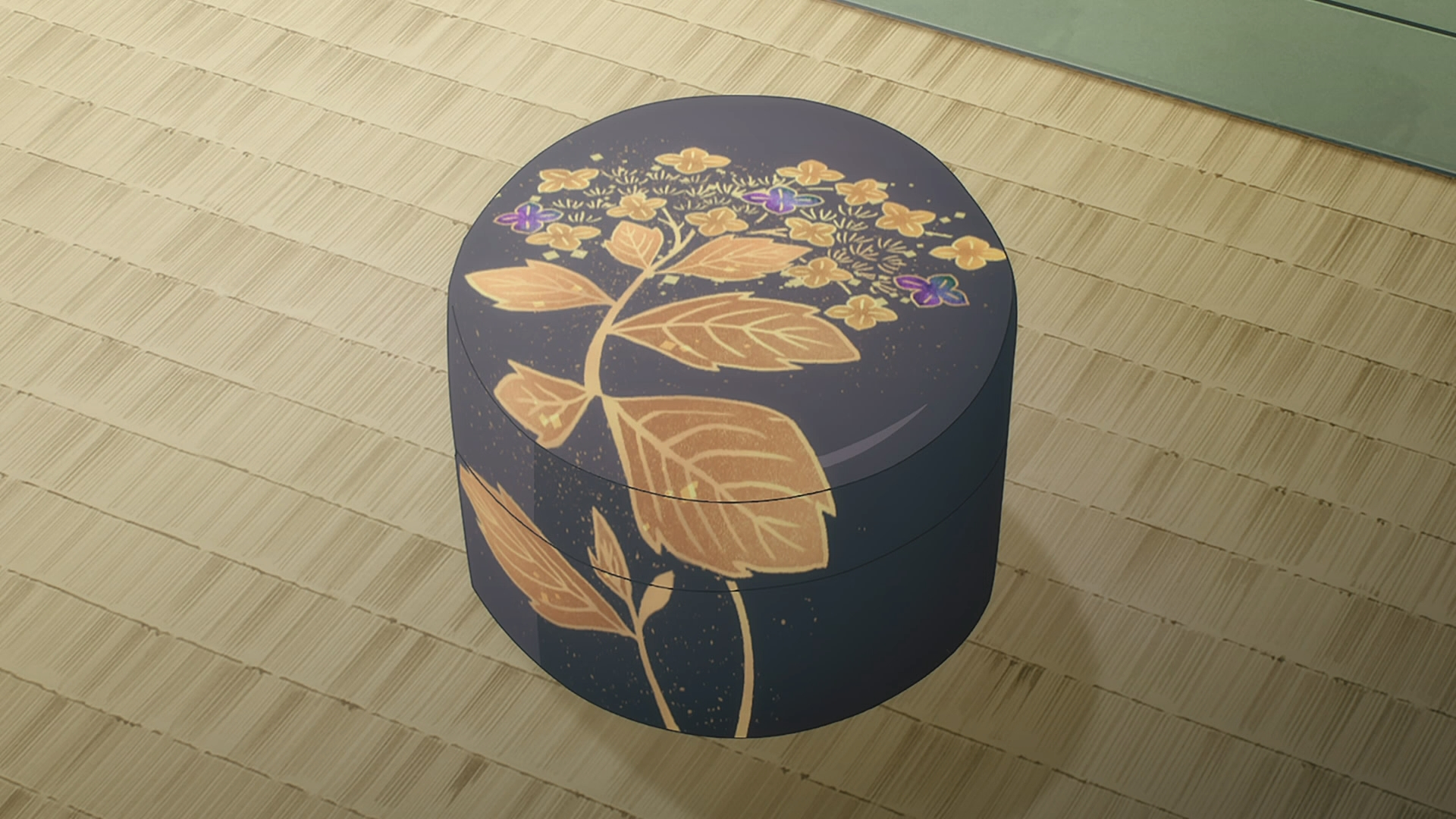
Sometimes within that journey of life, the world forces you to change your purpose. In this case of Miura, his status as a respected samurai will be changed forever and has some hard upcoming decisions to make as to what stance he wants to take between being a loyalist, isolationist or something else? Or does he actually side with allowing those foreign influences to migrate into Japan? This has been boiling for quite a few episodes now, since the political turmoil was introduced in episode 15 with Hatakeyama Yasuhide’s clan choosing the side of status quo and isolation against foreign influences. That “hydrangea-designed tea-caddy” is a symbol of that massive change. The tea ceremony itself is like the representation of that appreciation and respect of something that was held in such high regard previously in society. Once again, echoing one of the themes of the previous episode that purpose changes, too.
One of the other representations of this change in life and how appreciative one may be of history is Somegoro bringing up the Nabeshima ware with the cherry blossom design on the plate, while at a store filled with different types of pottery and ceramics. Cherry blossoms are a universal symbol for beauty and change, while the Nabeshima ware itself is something that can last decades or even centuries—outlasting human lives many times over. Because of how they are made and how long they last over the turbulent times, it gives an added meaning and appreciation for the rich history that the item represents.
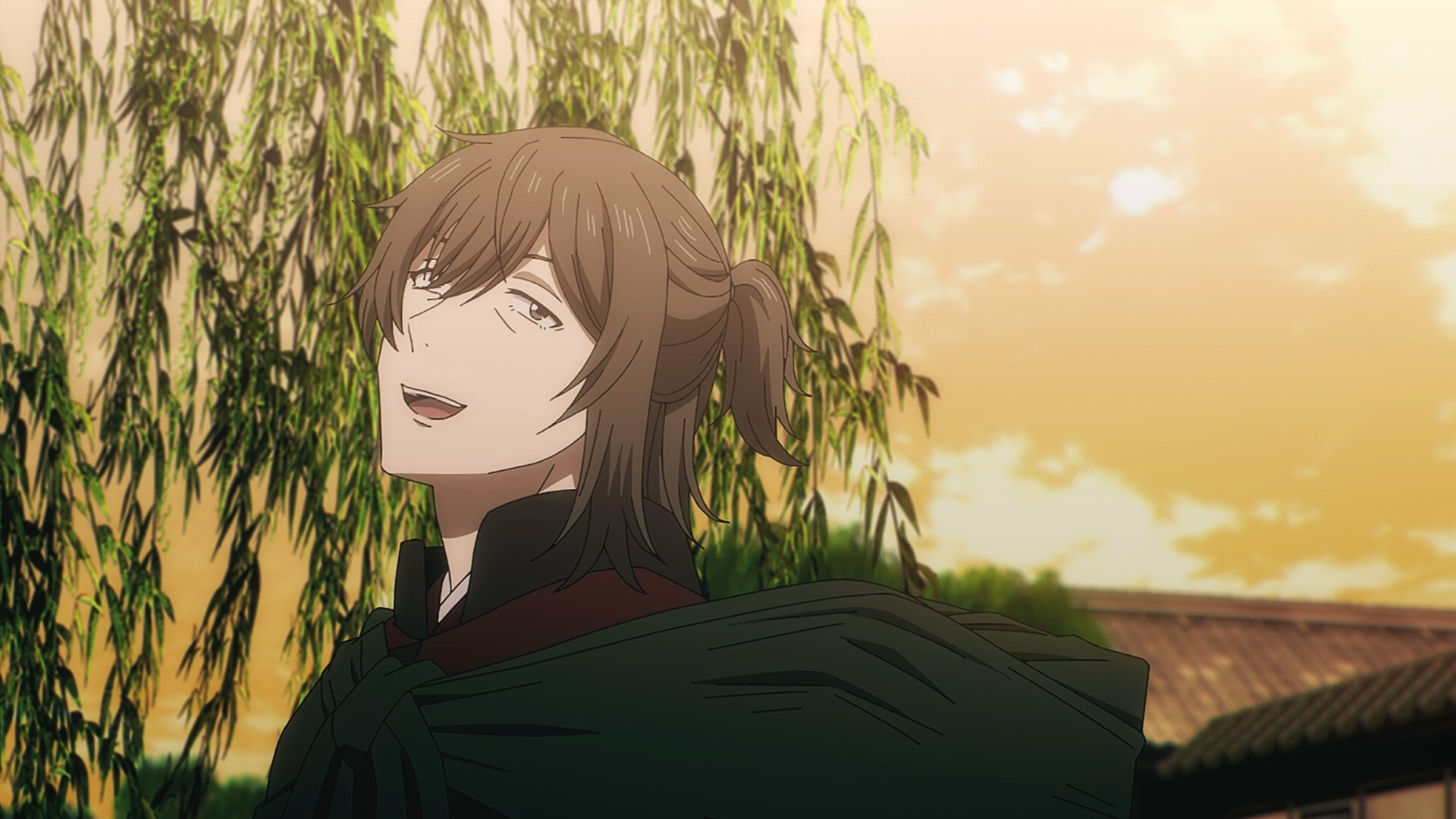
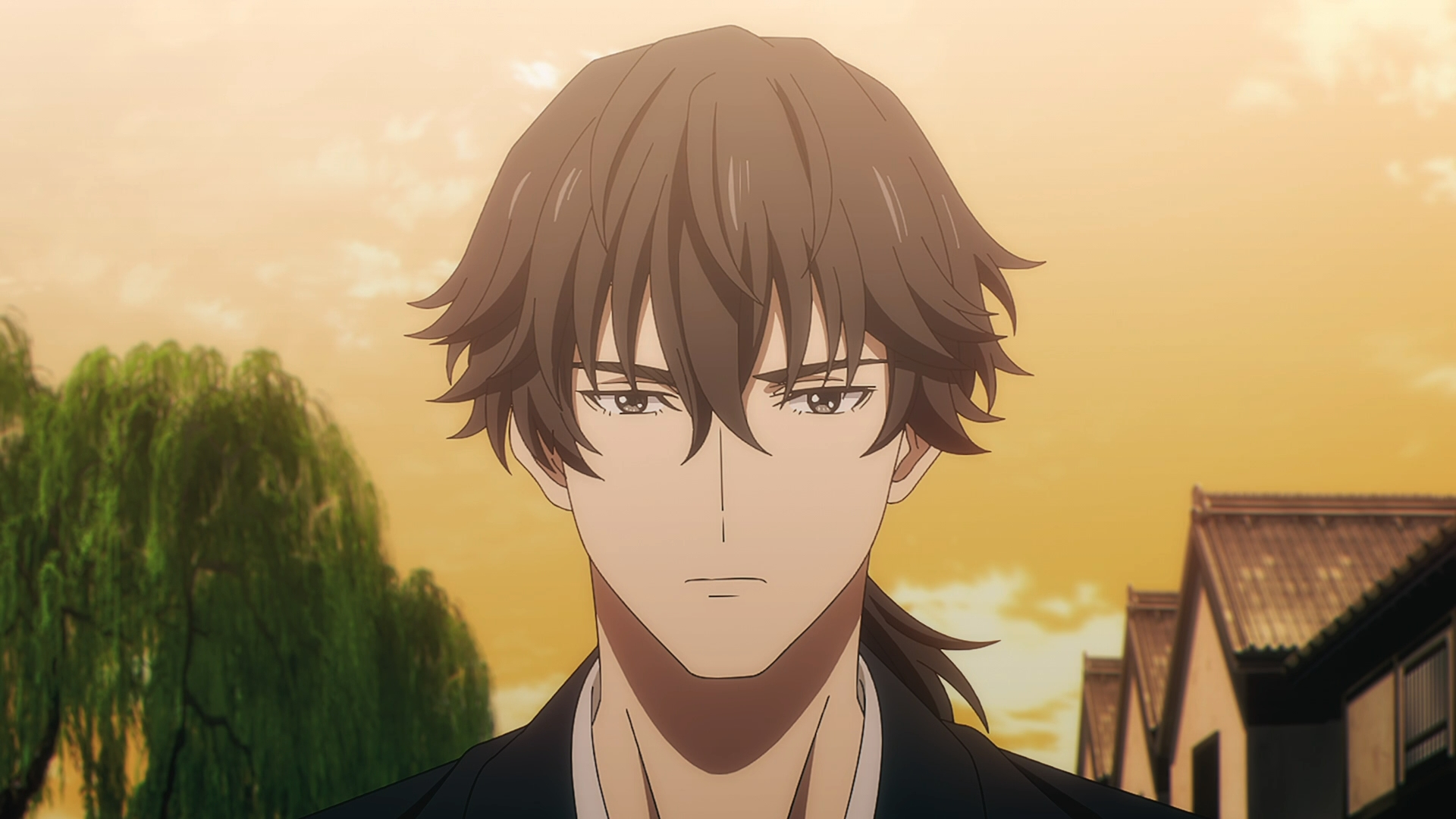
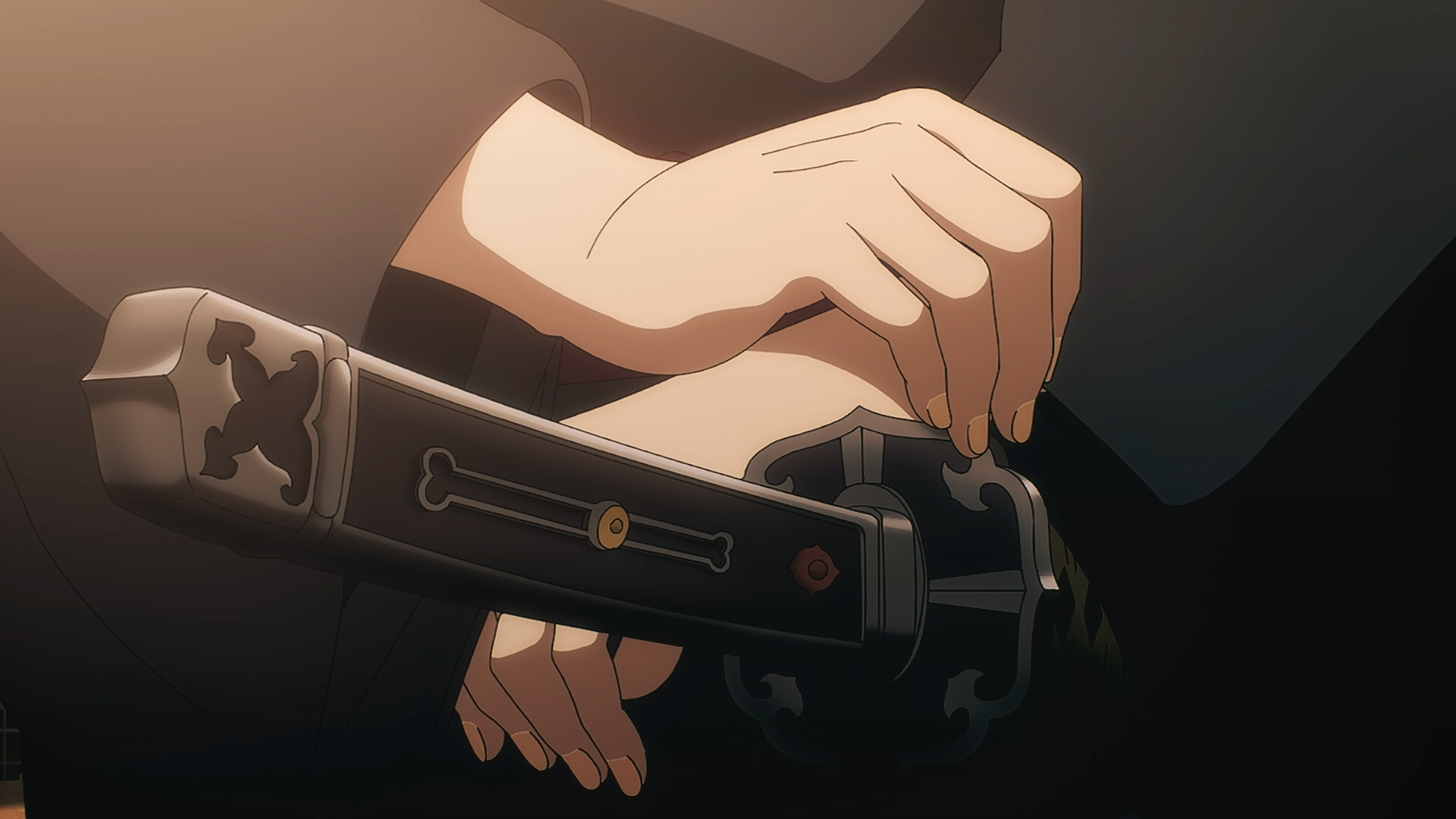
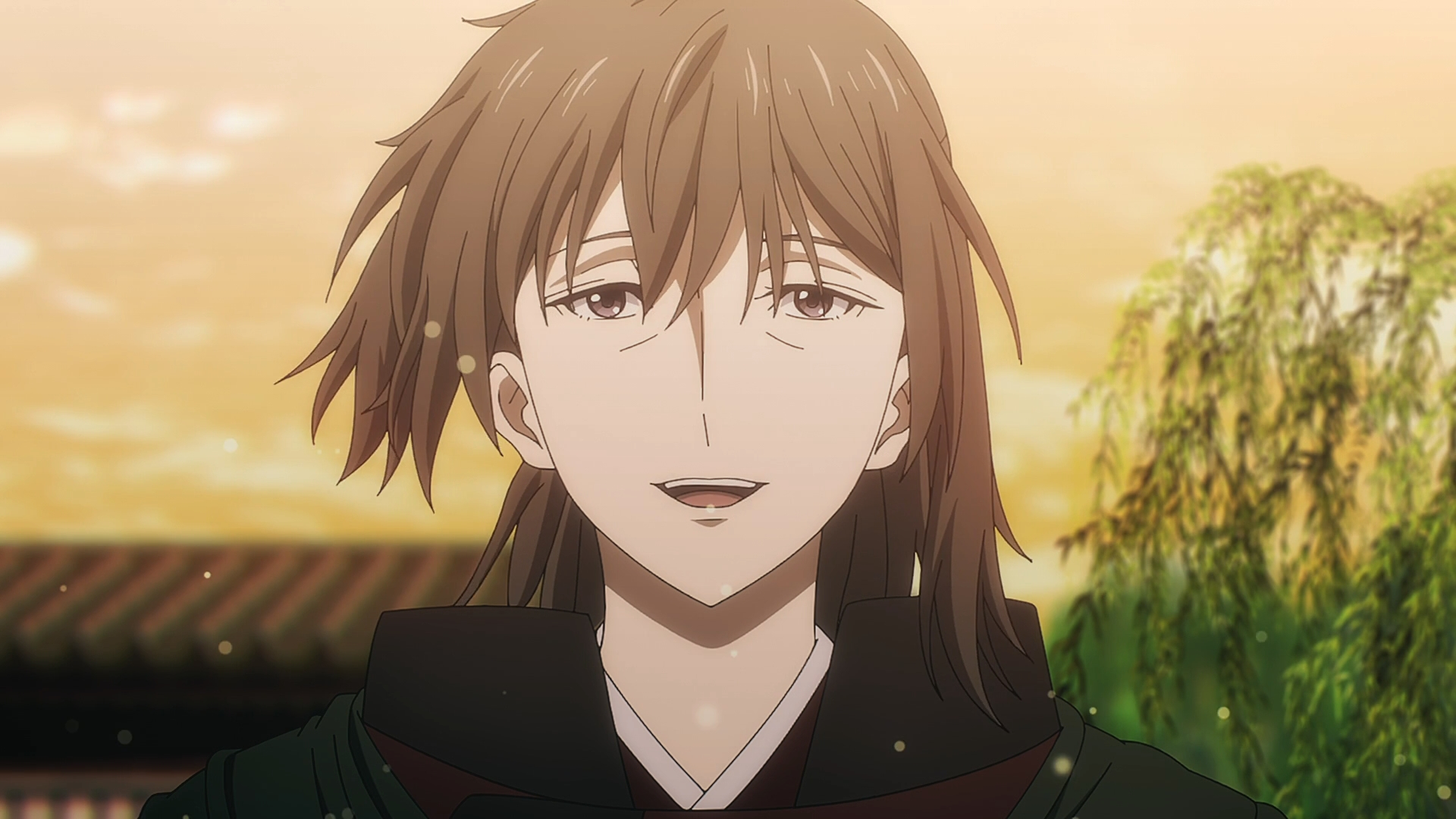
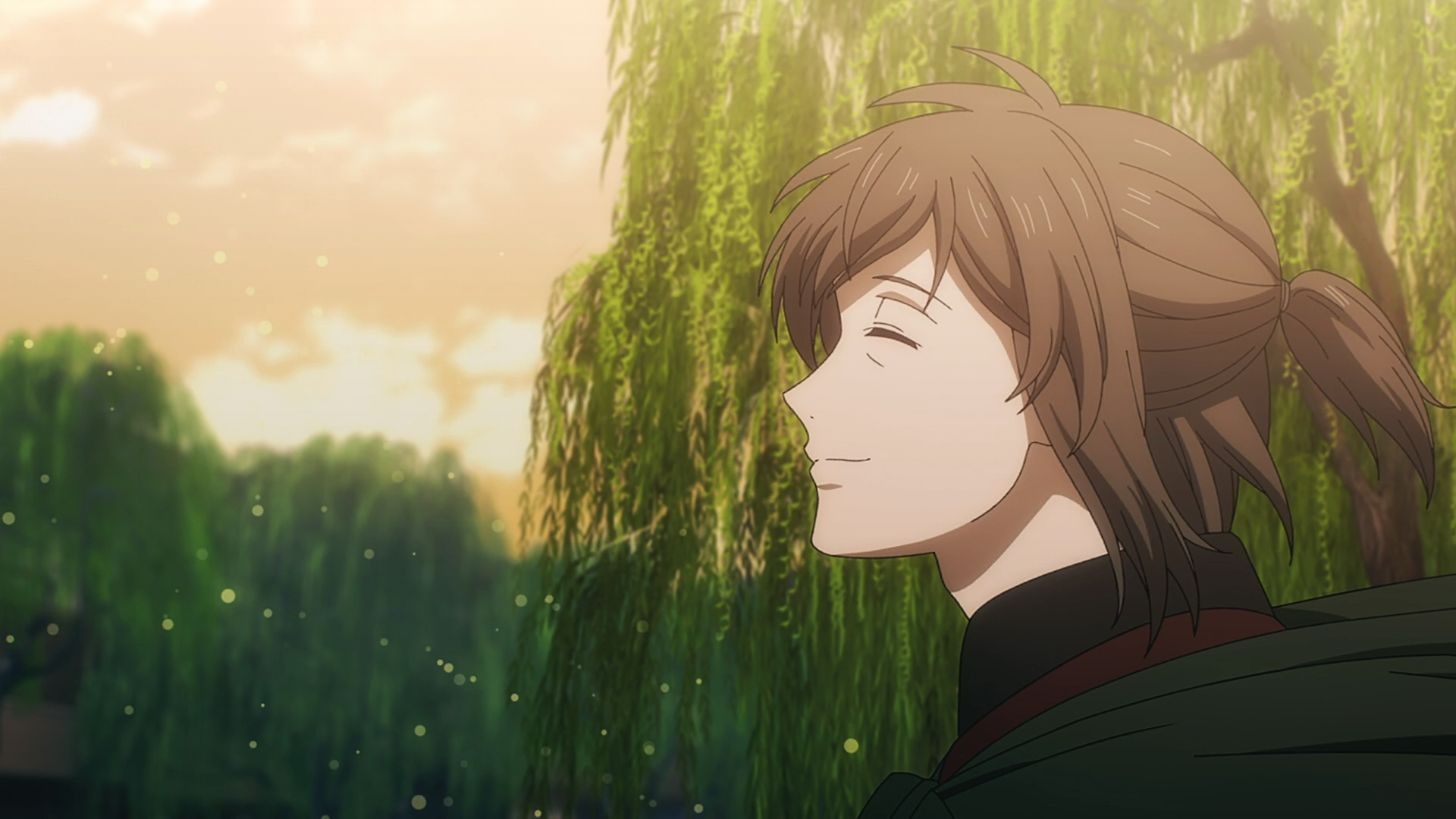
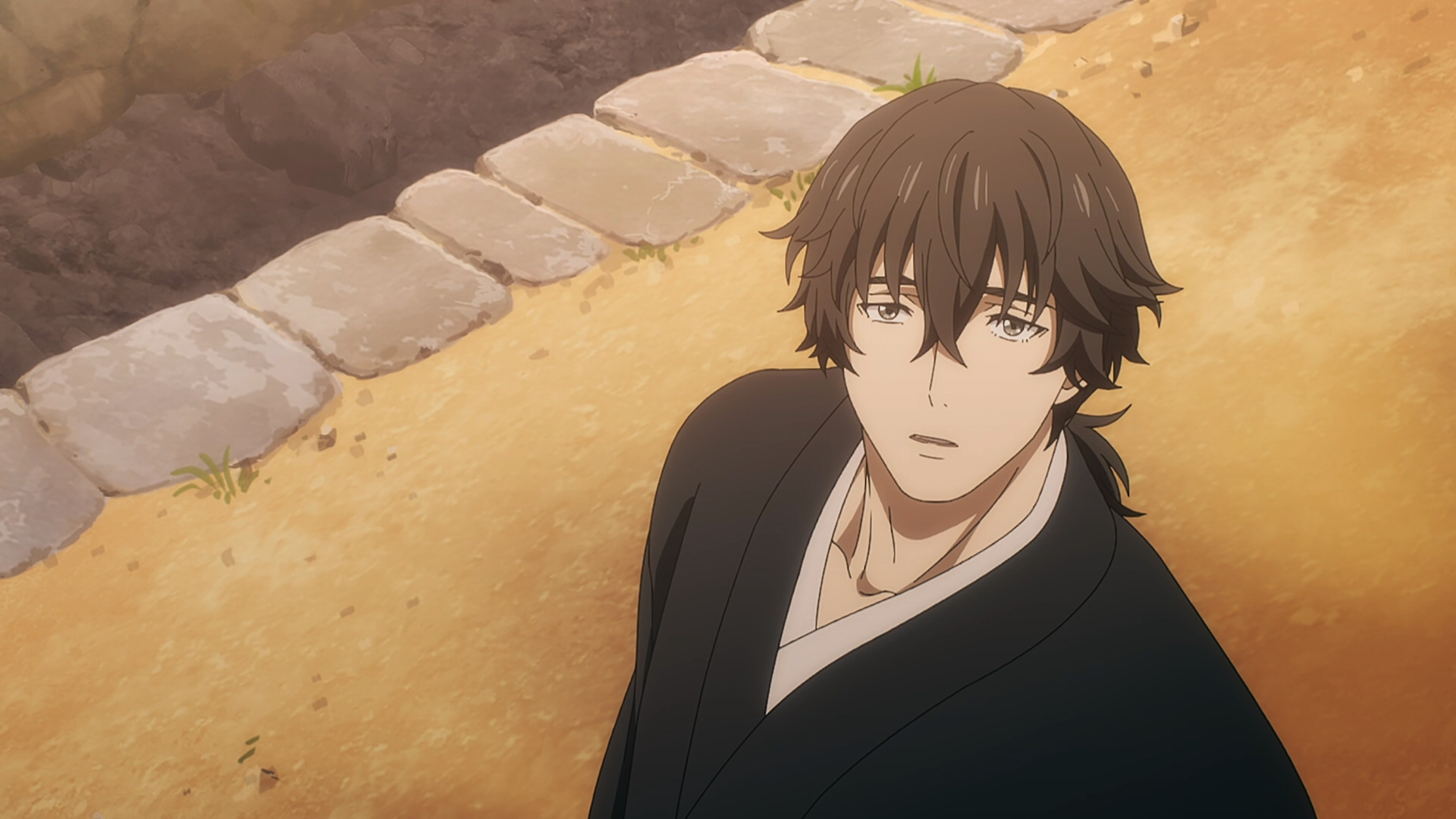
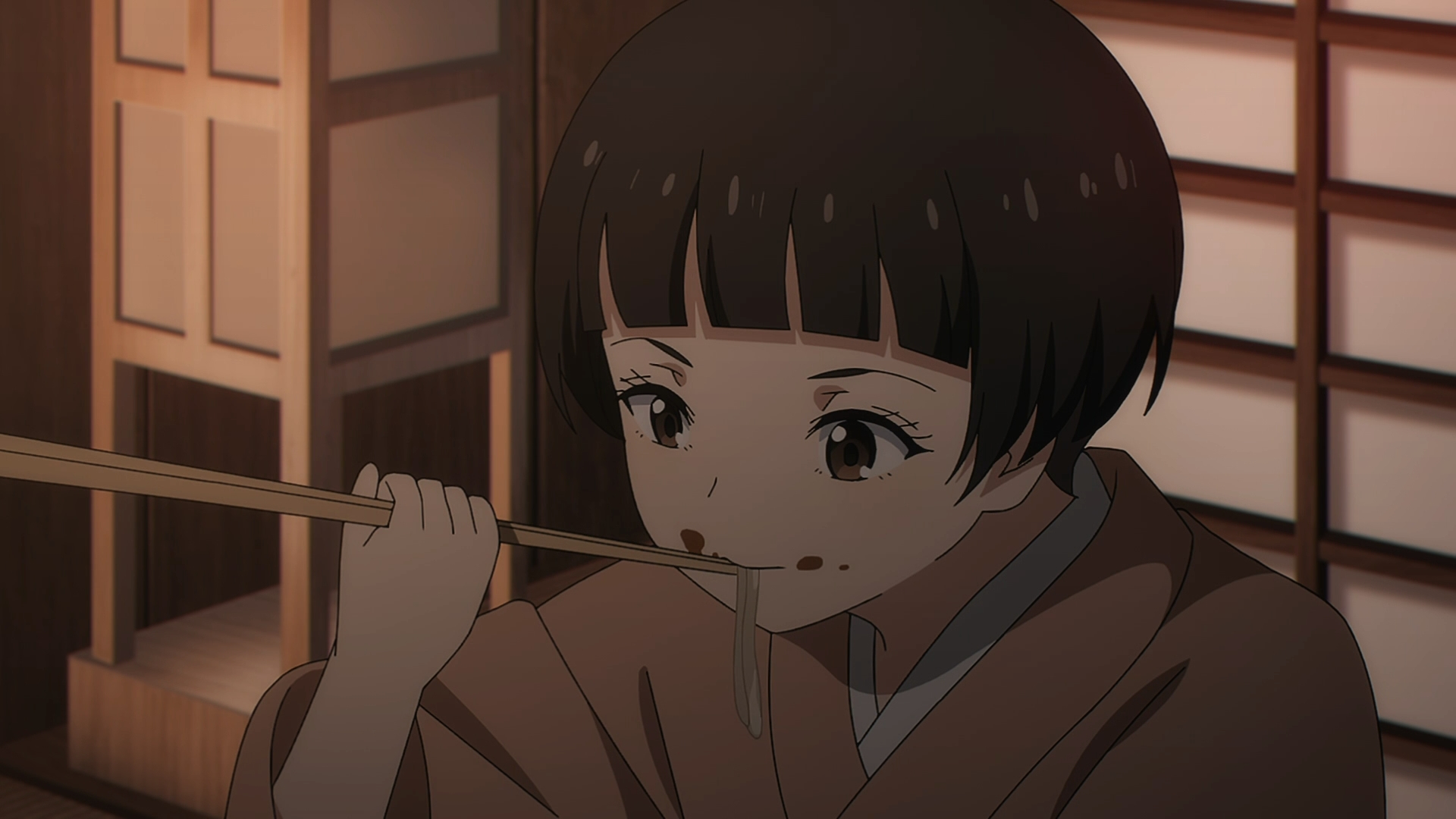
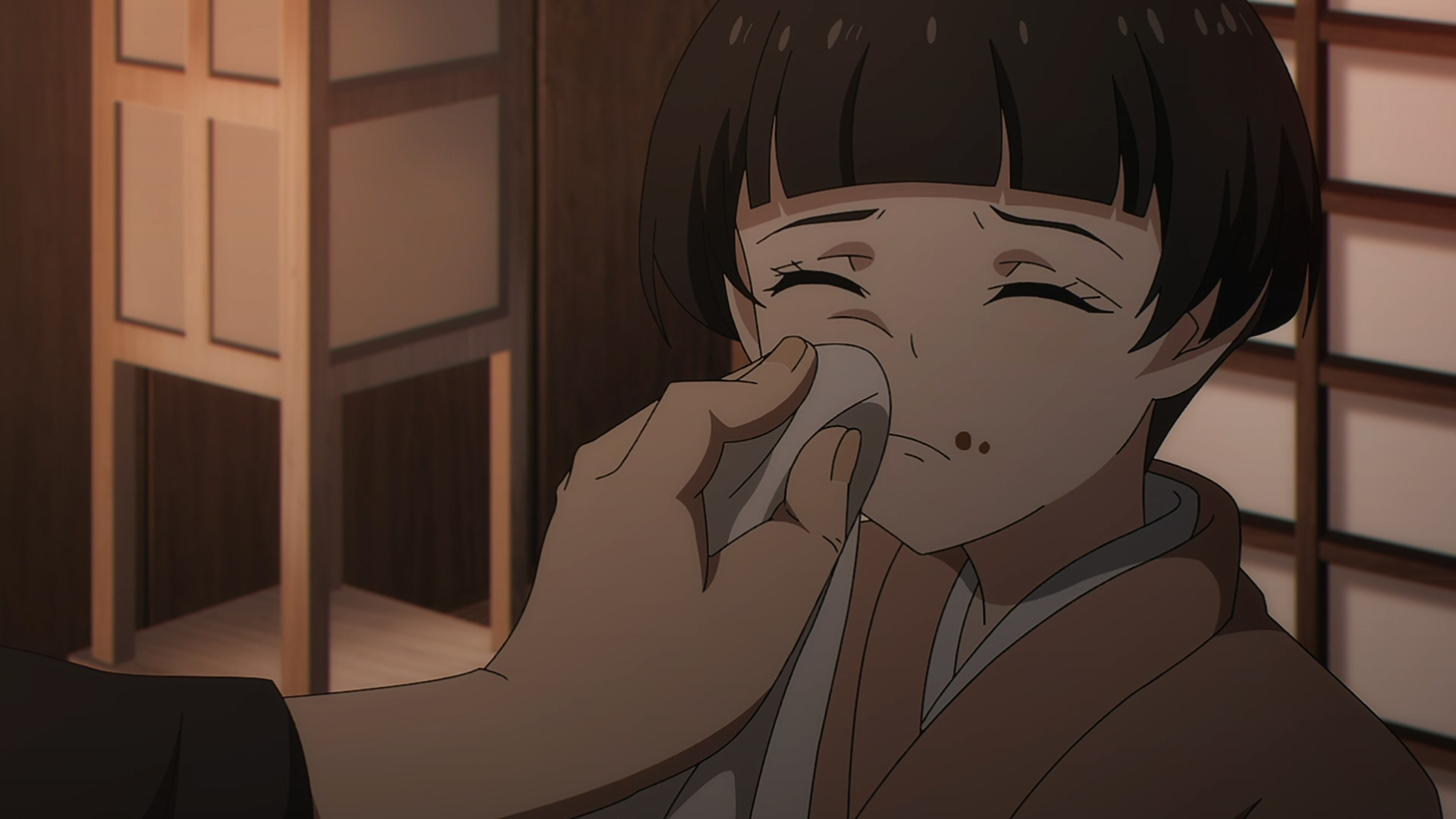
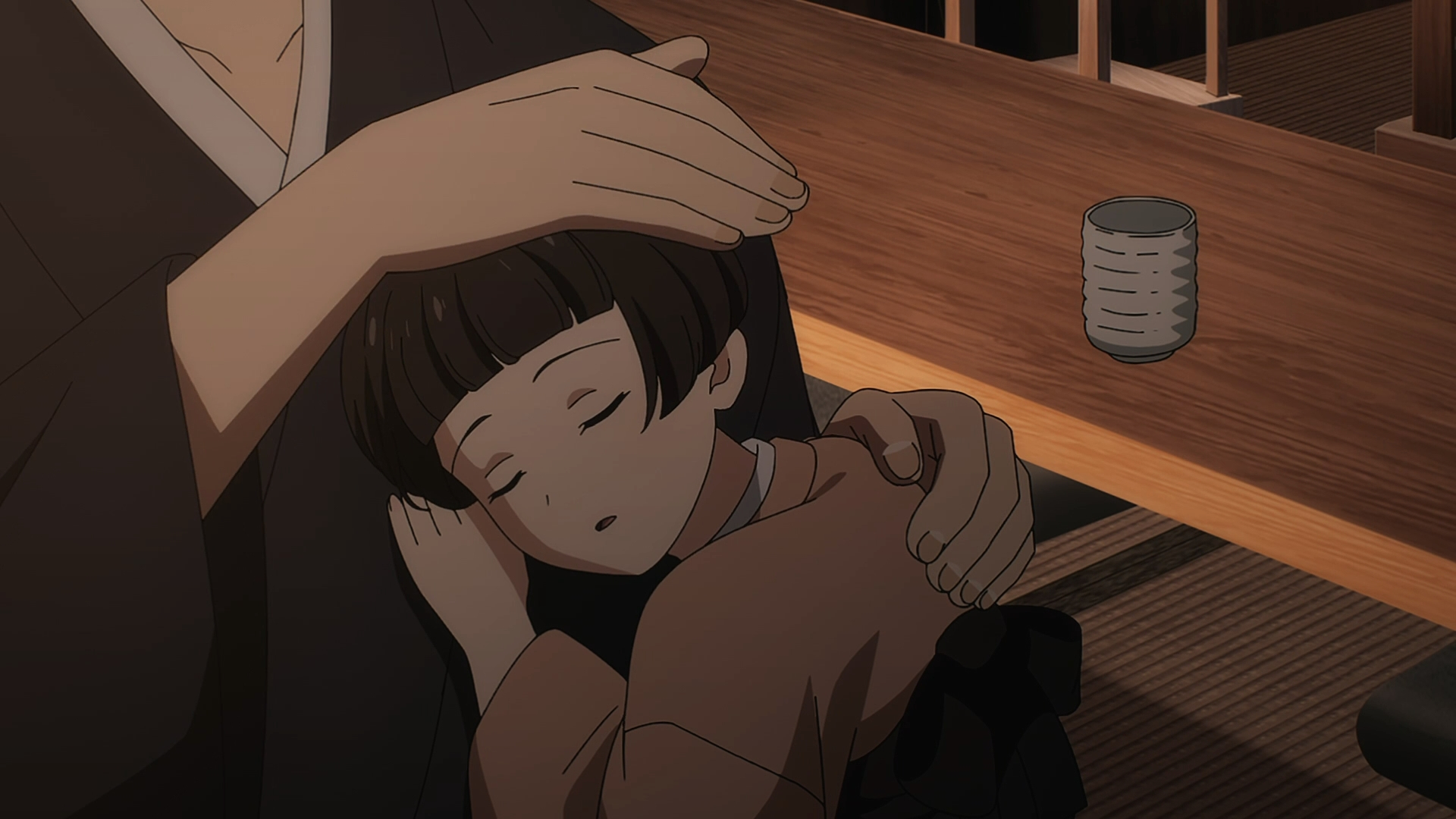
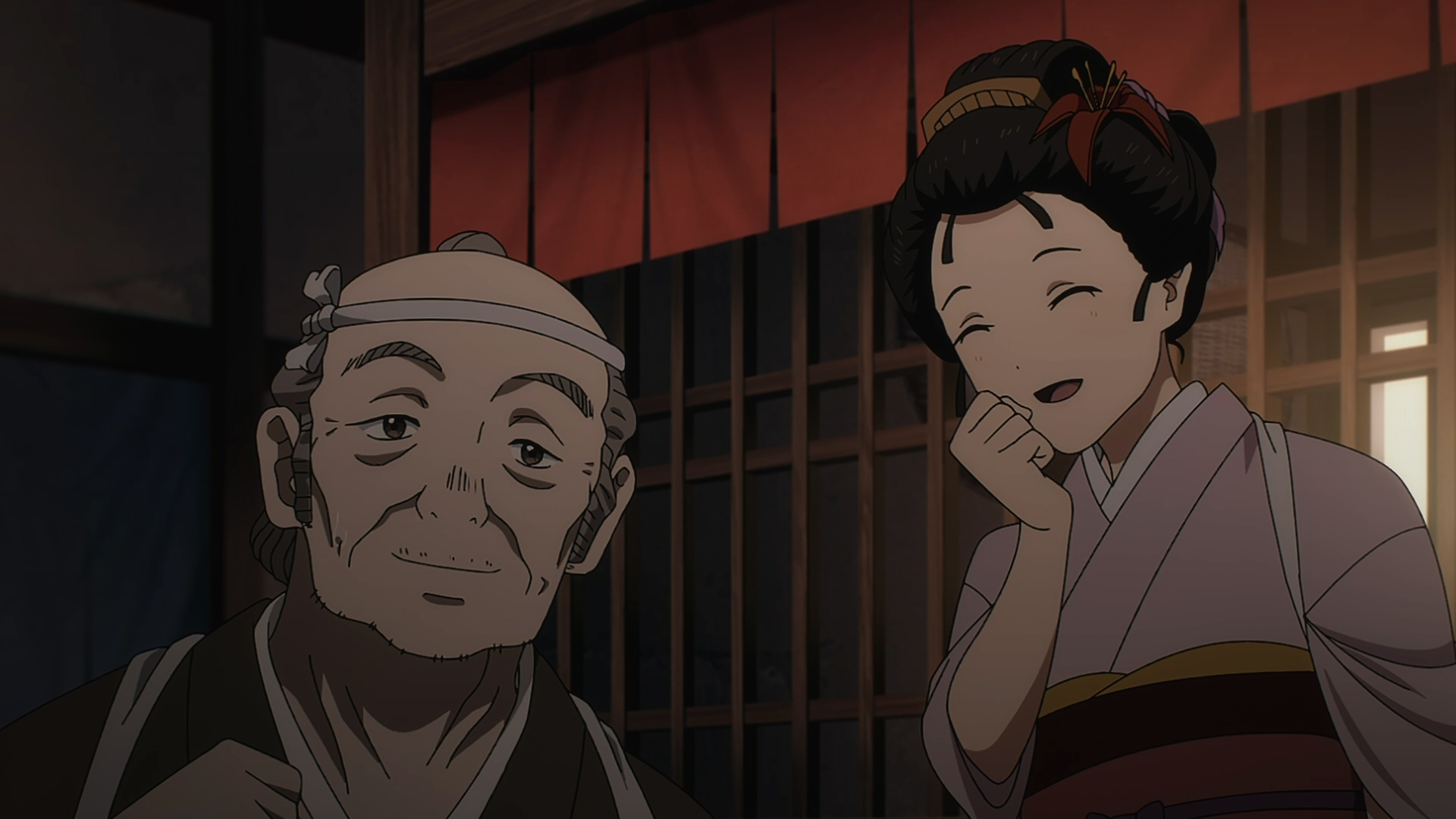
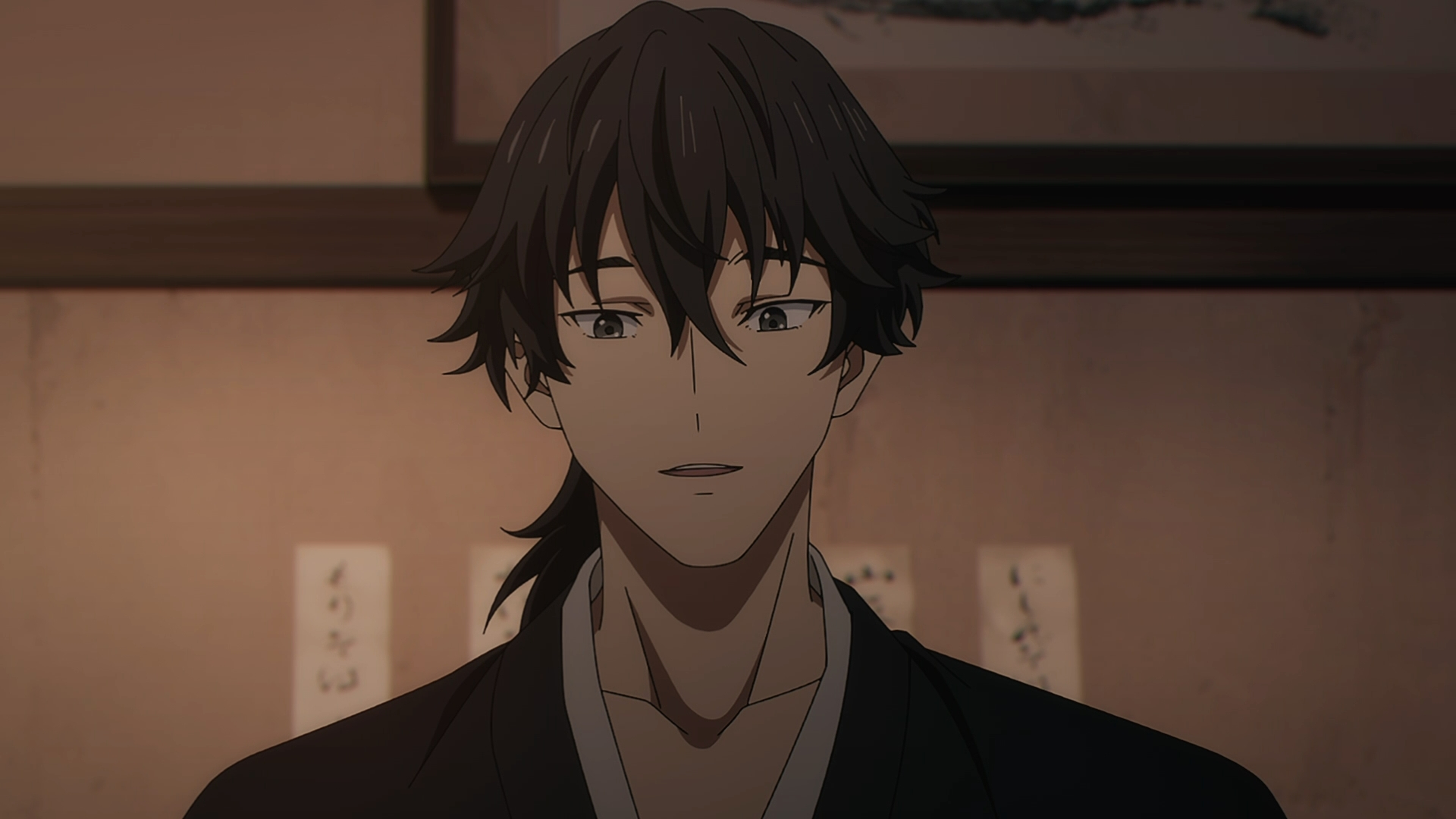
“Who did that?!” – Soba Naotsugu
Miscellaneous
With the appreciation of the delicate beauties of life, I found a nice article by Japan-Guide about Japanese Hydrangea (Ajisai) here.

 OTAKU SINH