
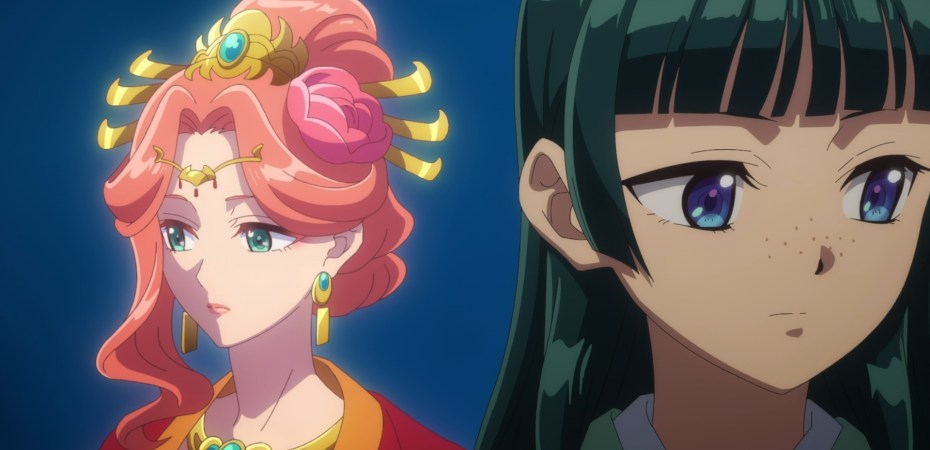
With signs that High Consort Gyokuyou may be targeted again by something nefarious, this episode explores the mystery behind the death of a concubine.
Video Review
What Stands Out the Most?
Things are heating up in the second season of The Apothecary Diaries as High Consort Gyokuyou is pregnant for the second time with the emperor’s child. With a harem of women defined by their relationship to the emperor, this sparks the potential for enemies who may want to bring Gyokuyou down from her favored status.
This episode explores that kind of jealousy, with Maomao tasked to solve the mystery behind a “food poisoning” incident that led to a concubine’s death.
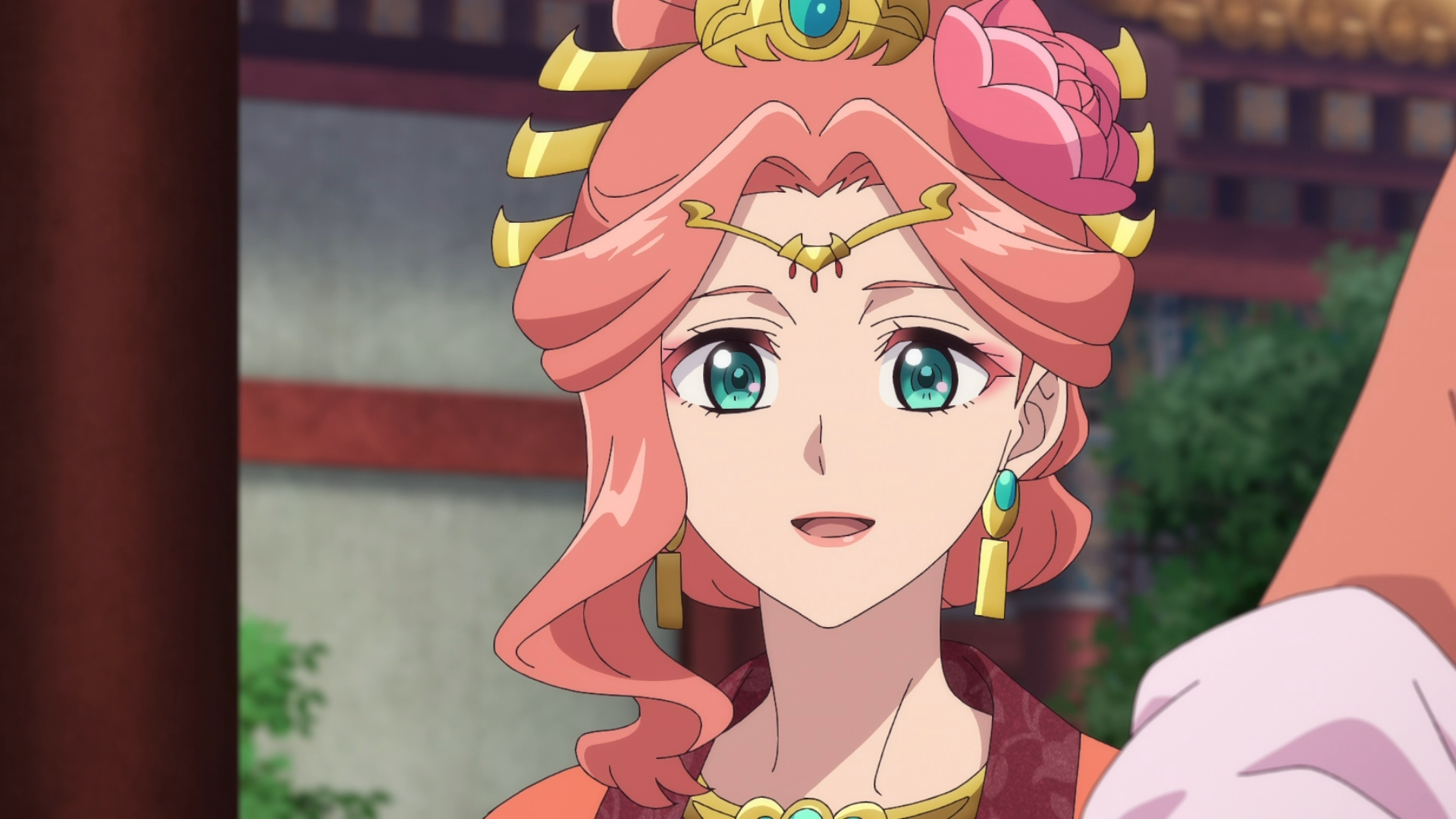

Resentment Never Leads to Anything Good..
Whether we like it or not, social status is a fundamental part of human nature—and it’s not changing anytime soon. In Season 2, Episode 1 of The Apothecary Diaries, Maomao investigates the death of Concubine Jin, who was dealing with a mysterious illness before succumbing to food poisoning a year later. Jinshi suspects foul play, noting Jin’s mistreatment of her ladies-in-waiting and her jealousy toward other concubines. The toxic environment within her social sphere of the imperial palace reflects a boiling resentment that eventually brews into.. YAH YEET!
This episode ties together growing concerns for Gyokuyou’s safety from the previous episode with the investigation into Concubine Jin’s death, blending stakes that matter to the audience, while exploring the dark nature of living amongst a hierarchy of other concubines.
Putting Together a Mystery
One of the best, if not the best part about The Apothecary Diaries story is Maomao solving all of these mysteries of happenings within the Rear Palace. This episode is no different, but it’s the presentation of it all that makes it for an enjoyable watch.
Stakes Matter
The conspiracy to YEET someone within the palace is (literally or metaphorically) all too common, as someone’s downfall is ultimately someone else’s gain. We are already primed for these kinds of motives, especially with Gyokuyou’s safety becoming increasingly at stake. So, this episode from the start presents a bunch of independent facts that soon become tied together within one narrative of how Concubine Jin really perished.
The biggest question for the audience is whether someone’s death might connect to a larger plot against Gyokuyou. Stakes like these keep the story engaging because, let’s face it, who really cares about characters that are basically NPCs? Stakes matter. For example, the previous episode’s detail about sash dresses being worn higher on the waist gives this episode more significance.
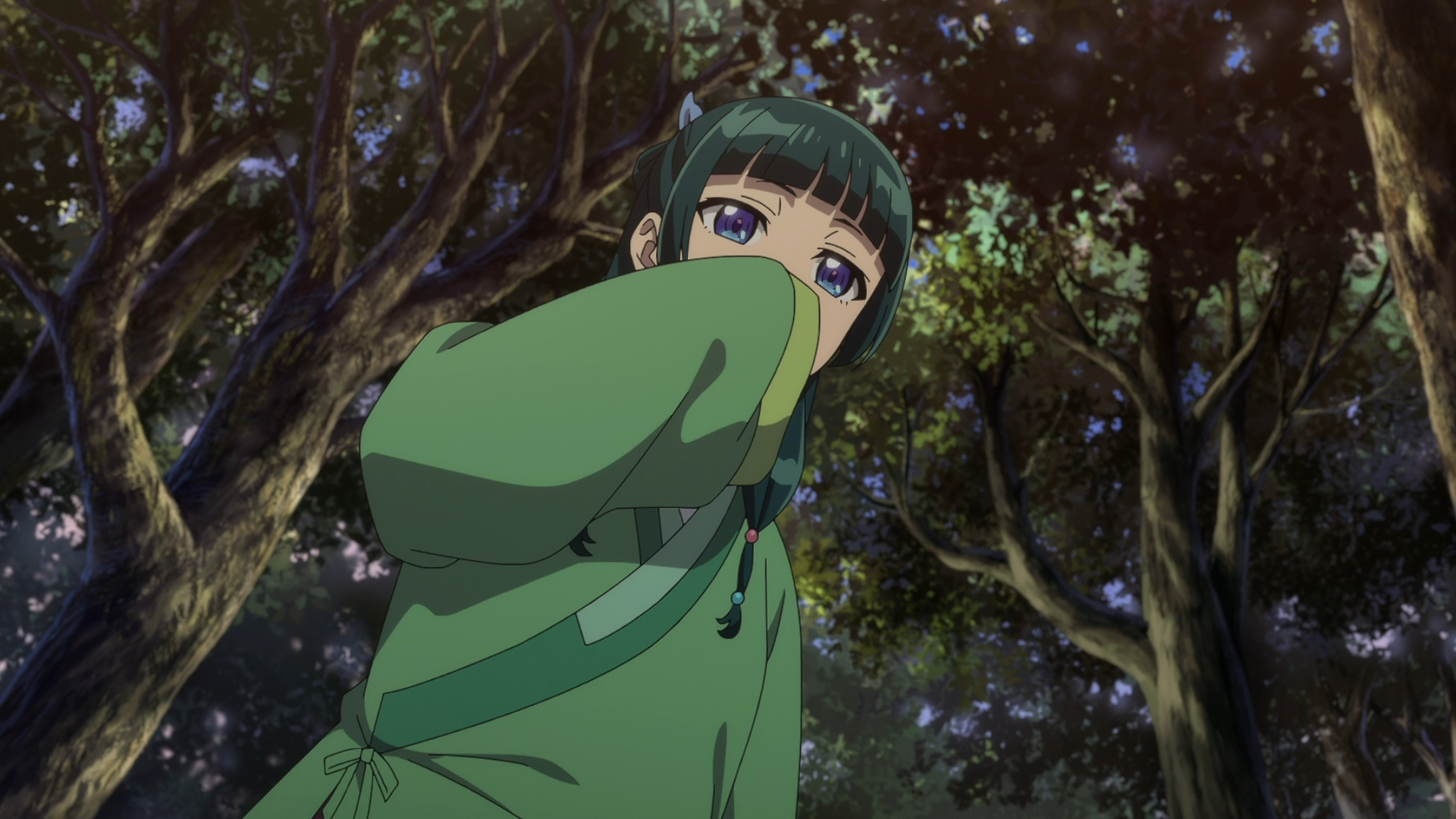
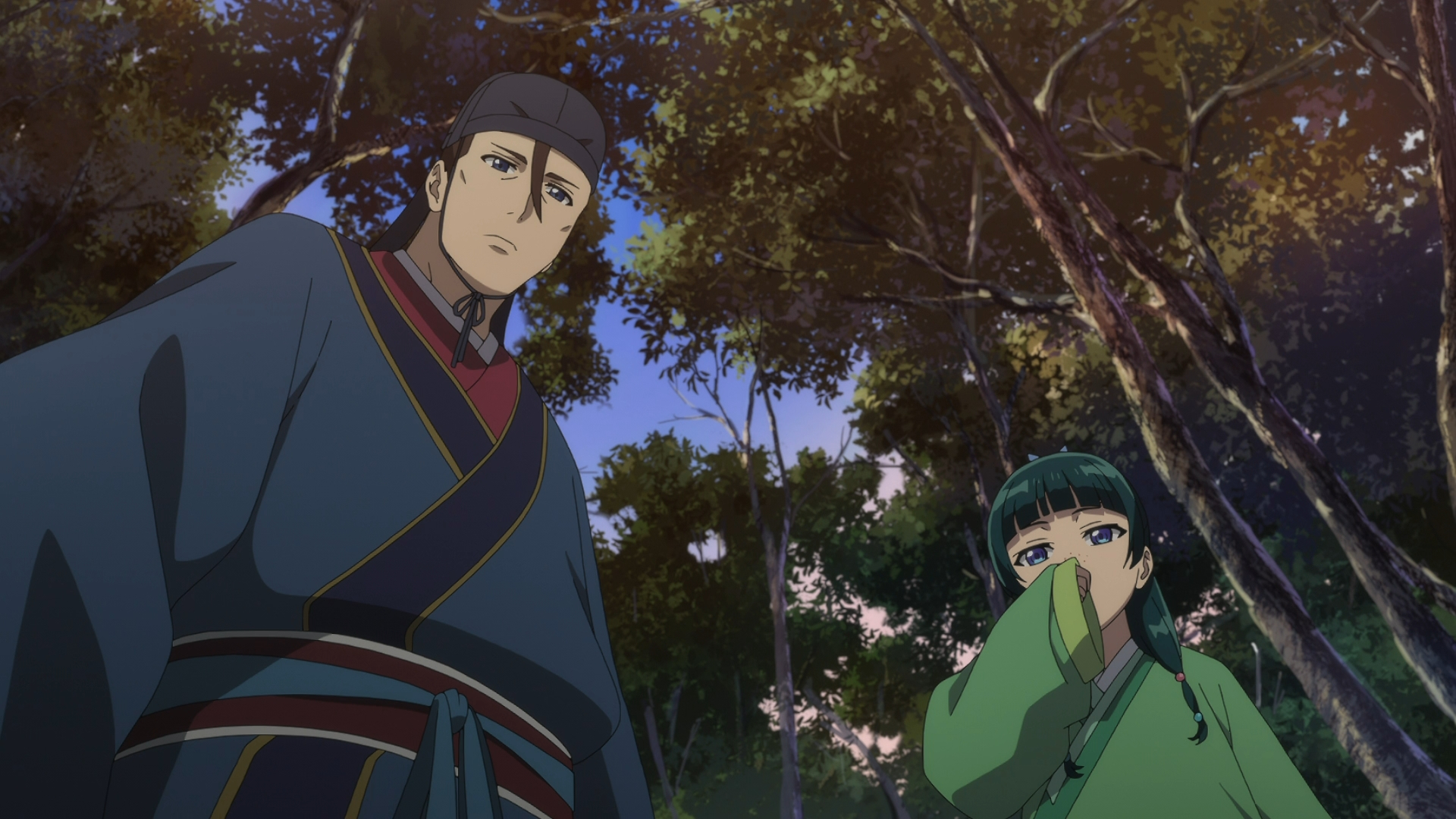
As Maomao investigates mushrooms and their potential connection to Concubine Jin’s death, little nuggets of important information get naturally sprinkled throughout the story. It’s a linear episode, but those seemingly unrelated bits and pieces eventually come together into a narrative that reveals the truth. That’s the fun of this episode.
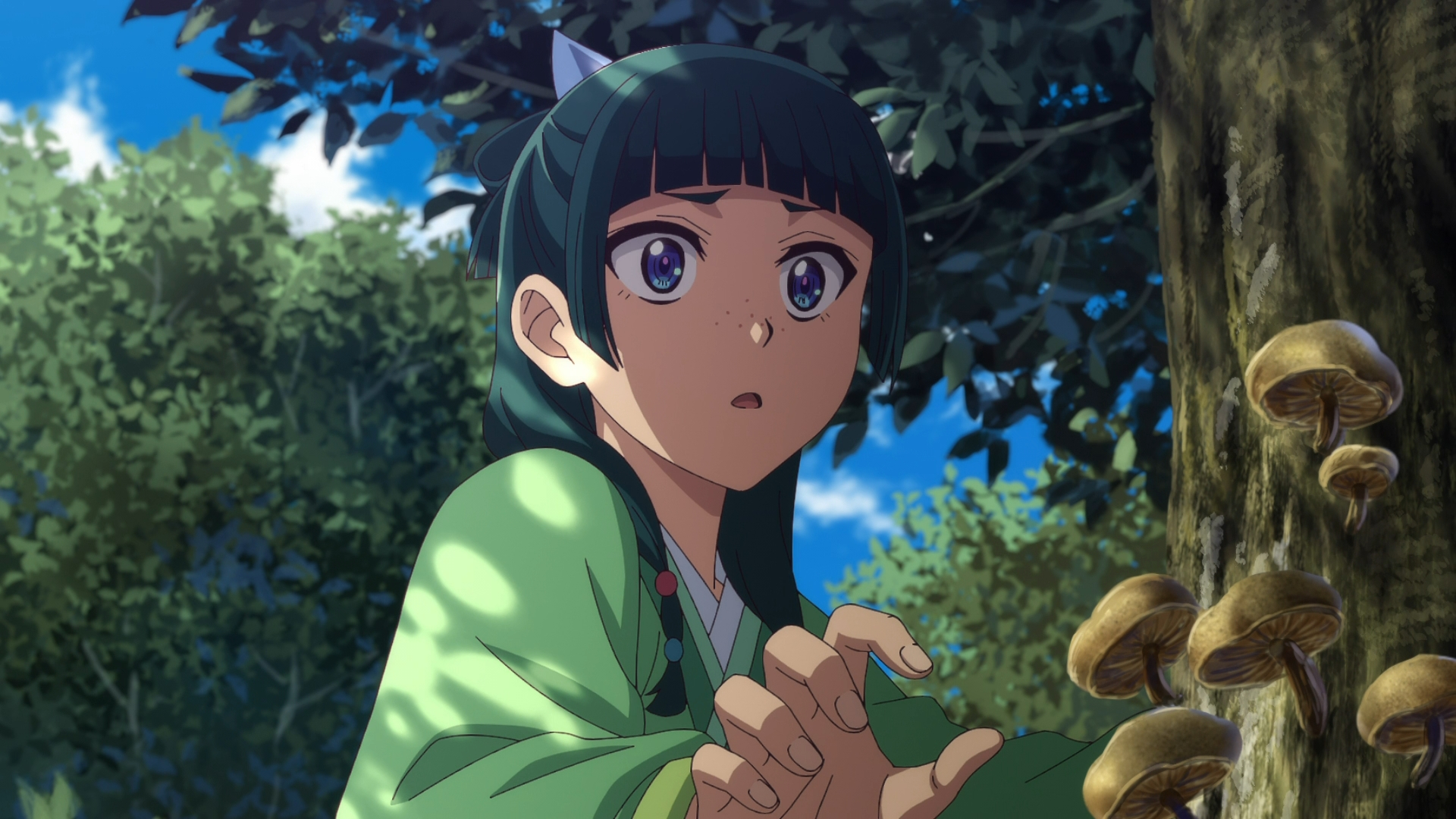
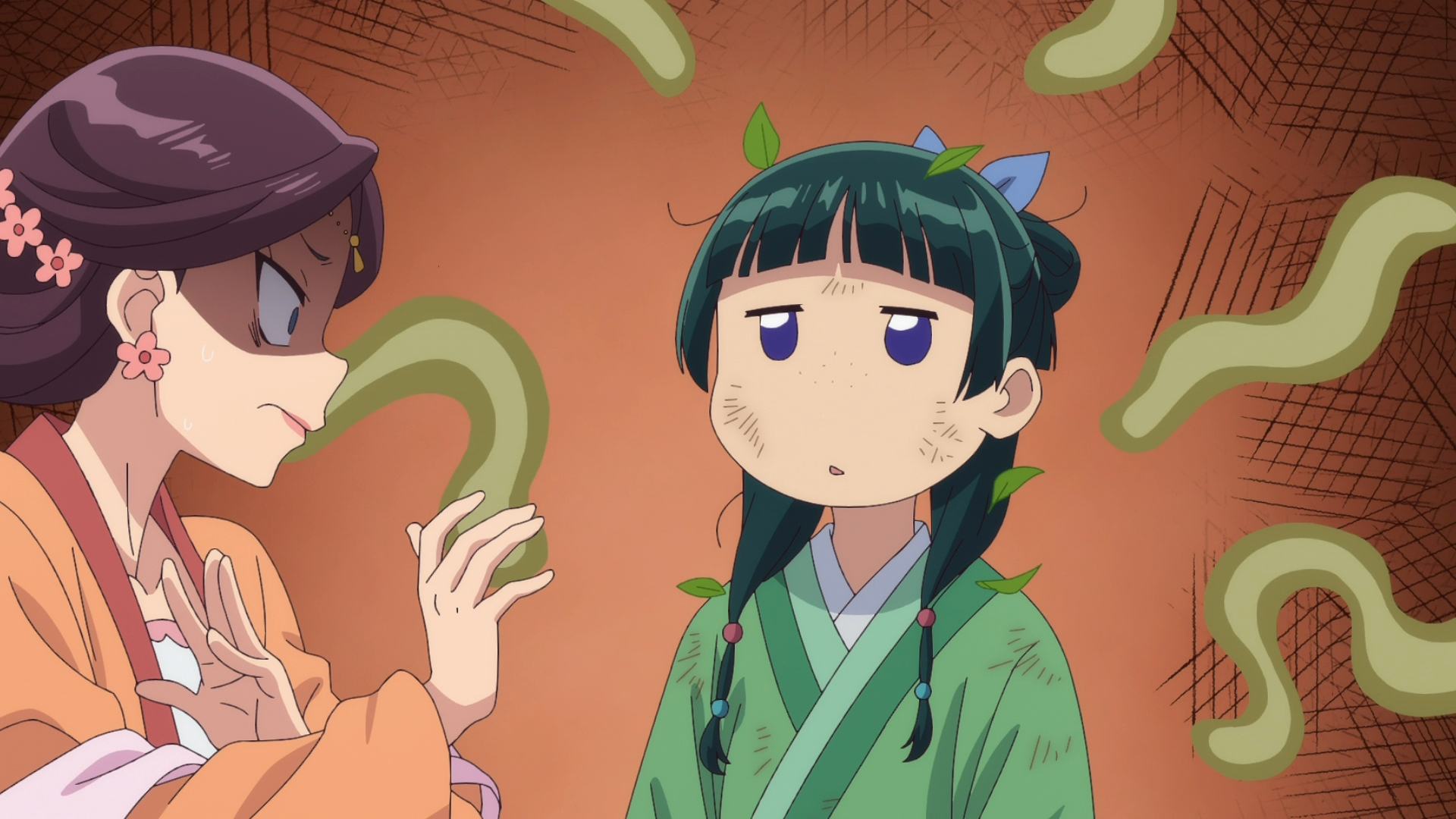
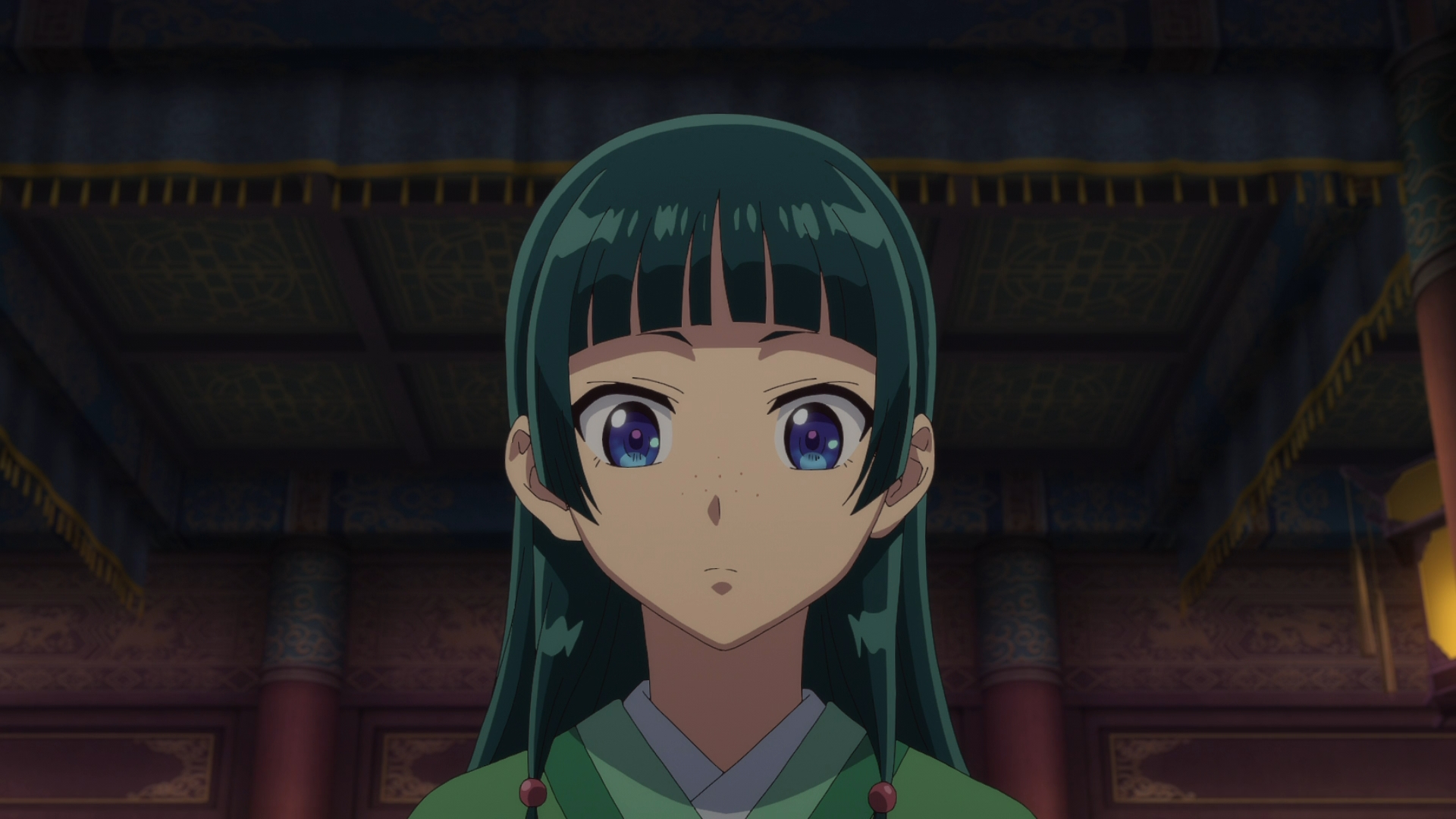
A good story always needs a twist. Early in the episode, Concubine Tao’s disappearance is mentioned almost casually. At first, it seems unrelated. But as the mystery progresses, things like the smelly mushrooms in the forest, leading to the eventual discovery of the dead body, ties the entire narrative together.
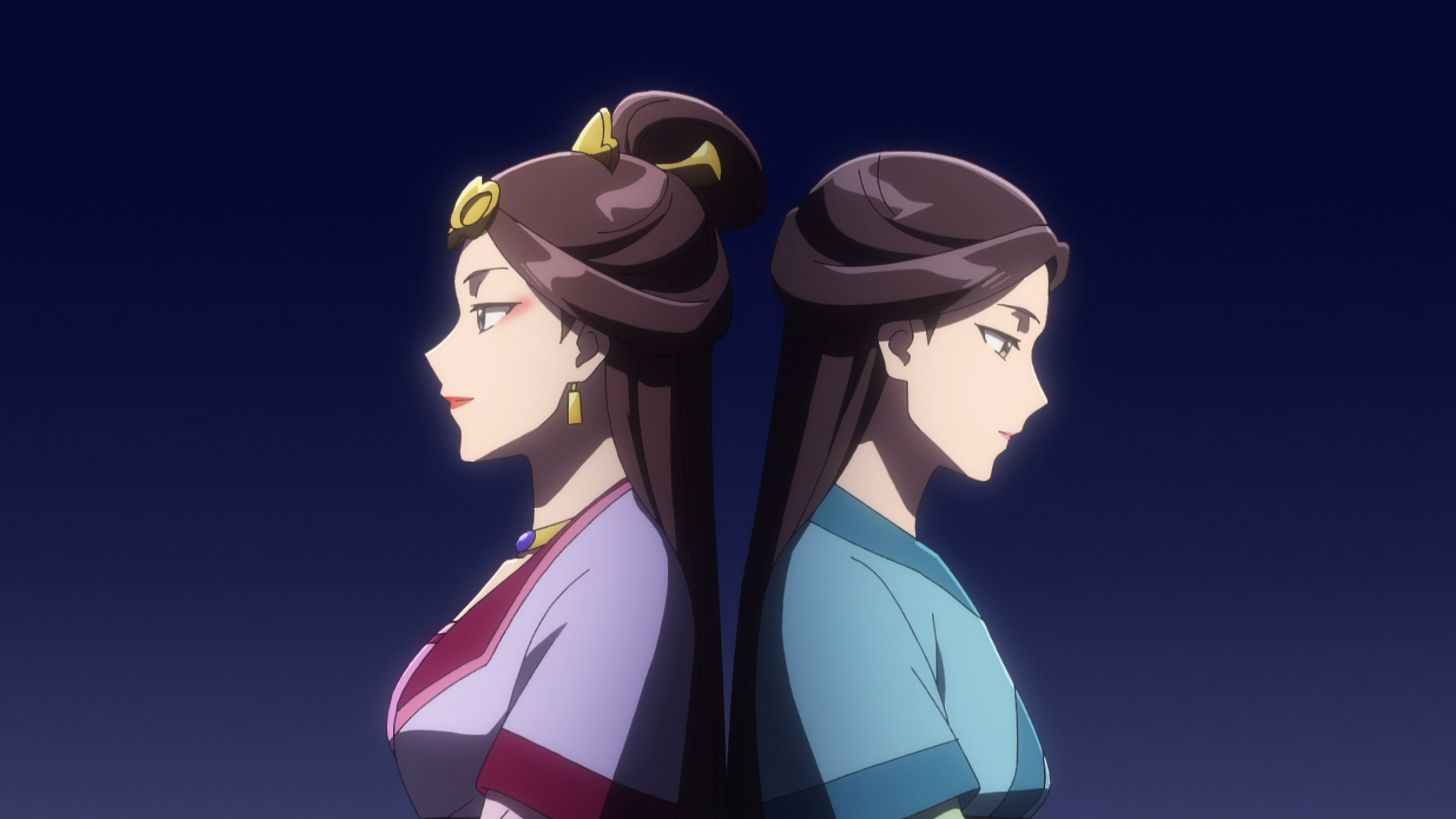
The dead body not only reveals the truth behind Concubine Jin’s death but also sheds light on Concubine Son’s tragic fate. It turns out that Jin’s mistreatment of her servants and Son led to a series of cover-ups and conspiracies. This tragic chain of events highlights how resentment and abuse create villains in the palace’s toxic environment.
The episode actually ends with one of those “rhetorical open-ended philosophical” questions. When Maomao looks at the mushroom on the ground and how certain mushrooms grow from dead animal carcasses, she ponders what actually can grow off of a human dead body? With so many various applications of mushrooms like for health purposes, it also serves as a symbol for something poisonous. It’s like the contradiction duality of the yin and yang. It’s the contrast of the story we just witnessed behind Concubine Jin’s true story behind her tragic death and how the mushroom that can grow from something so dark, can potentially grow into something helpful in life. It can be a question of comparing it as nature’s warning versus nature’s blessing as to what mushroom actually ends up being produced. There are a ton of different angles one can derive from the end of the episode, but one that ultimately made the episode much more deeper.

 OTAKU SINH